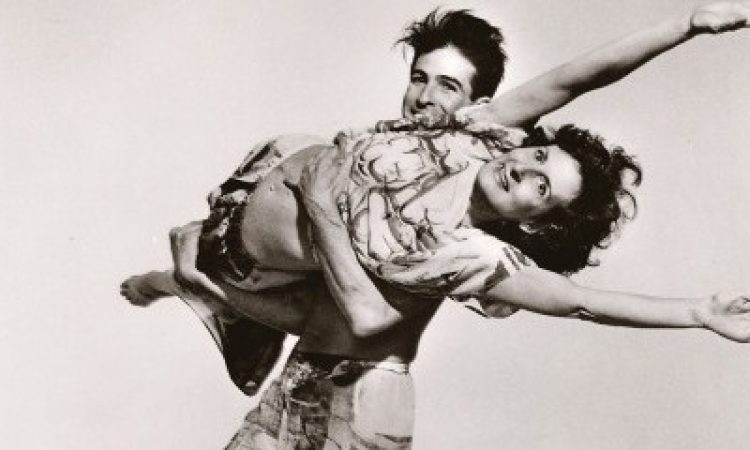
Photo: Babette Mangolte

Editor’s Note: Letter to the NY Times

Lisa Kraus

thINKingDANCE  aspires to write about dance in an open and fair way, especially dance that’s edging into new territory or otherwise not well represented. It’s a hard thing to do, and we haven’t had a perfect record. But it’s something all dance writers should be accountable for, including those at the august New York Times. 

To the Editor:

As a dance artist who has followed the work of Trisha Brown since 1975, I was gratified to see coverage of her career in Sunday’s feature (Pure Dance, Pure Finale) but was dismayed by Alistair Macaulay’s pronouncement that her style lacked rigor and that the greatness of her work is in question.

Both readers and the historical record are done a disservice when the lead dance writer at the Times fails to see that the rigor in Brown’s work is no longer about the pointed foot but about the precisely timed collision, the exact harnessing of weight falling through space, the down-to-the centimeter exactness of spatial relationships and also about a continuing investigation over the course of over fifty years that opened out new ground in multiple, distinct phases of dance making.

At the death of Pina Bausch, this writer also dismissed the value/quality of that artist’s work. Is there a thrill in the power of the writer to belittle the truly great? Dance is such a struggle as an art and a life. When someone has transformed the field, let’s recognize that and not, through ignorance or prejudice, minimize her value.

Sincerely yours,

Lisa Kraus
Former dancer, Trisha Brown Dance Company
Editor, thINKingDANCE.net

Share this article

Lisa Kraus

Lisa Kraus’s career has included performing with the Trisha Brown Dance Company, choreographing and performing for her own company and as an independent, teaching at universities and arts centers, presenting the work of other artists as Coordinator of the Bryn Mawr College Performing Arts Series, and writing reviews, features and essays on dance for internet and print publication. She co-founded thINKingDANCE and was its director and editor-in-chief from 2011-2014.

PARTNER CONTENT

Keep Reading

Perception is Participatory

Brendan McCall

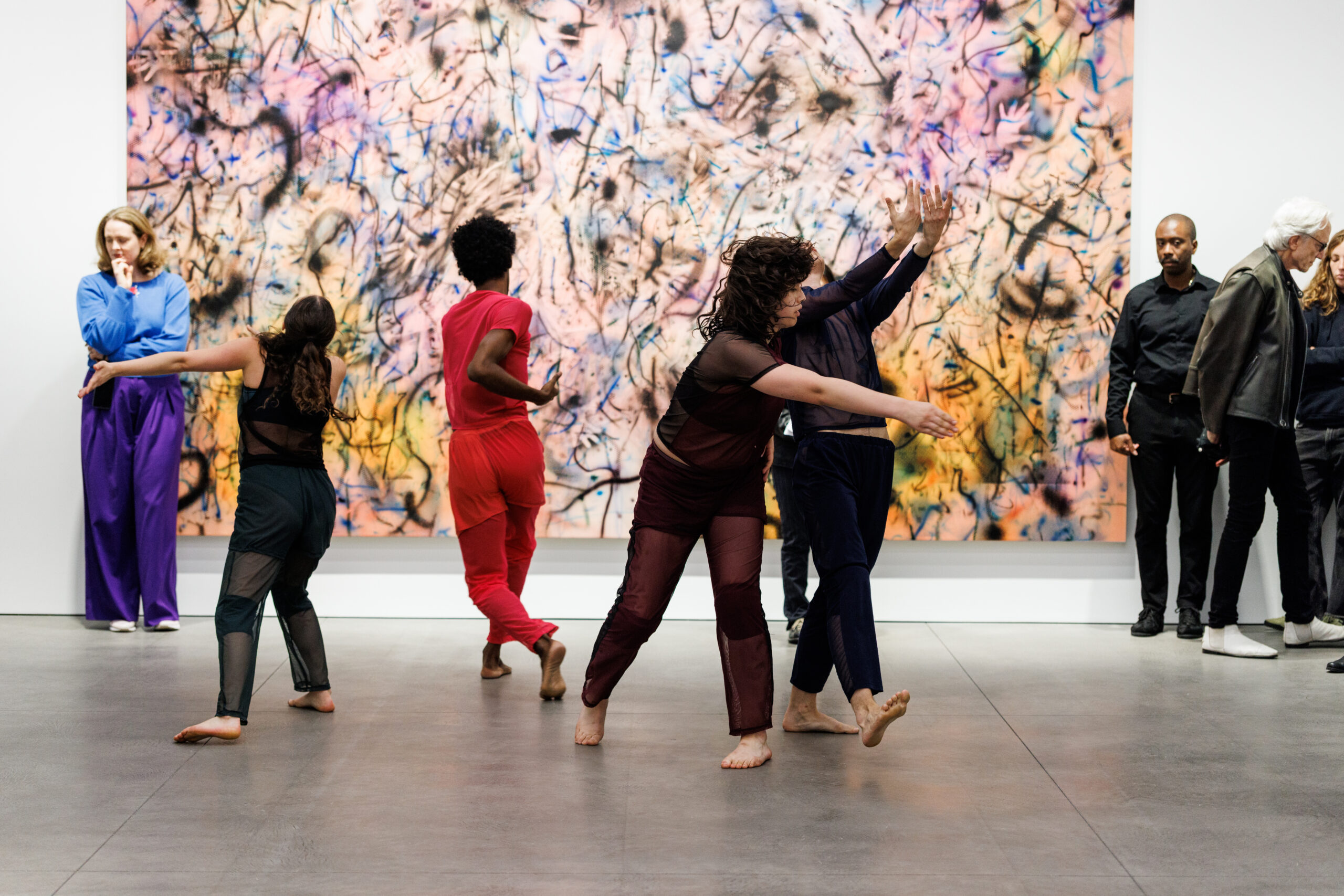
John Jasperse frolics amidst fields of perception in this site-specific collaboration with artist Julie Mehretu.

Four dancers move in front of a large abstract painting rich with textured color, their bodies reaching, extending, and twisting in multiple directions. Their hands and feet reach upwaerds, downwards, and away from us, creating dynamism in the air. Along the edges of the painting, bystanders stand and look--some at the dancers, others at something unseen.
Photo: Maria Baranova

Unscored Improvisation, H-O-T or Not?

Xander Cobb

Does dance need meaning to be meaningful?

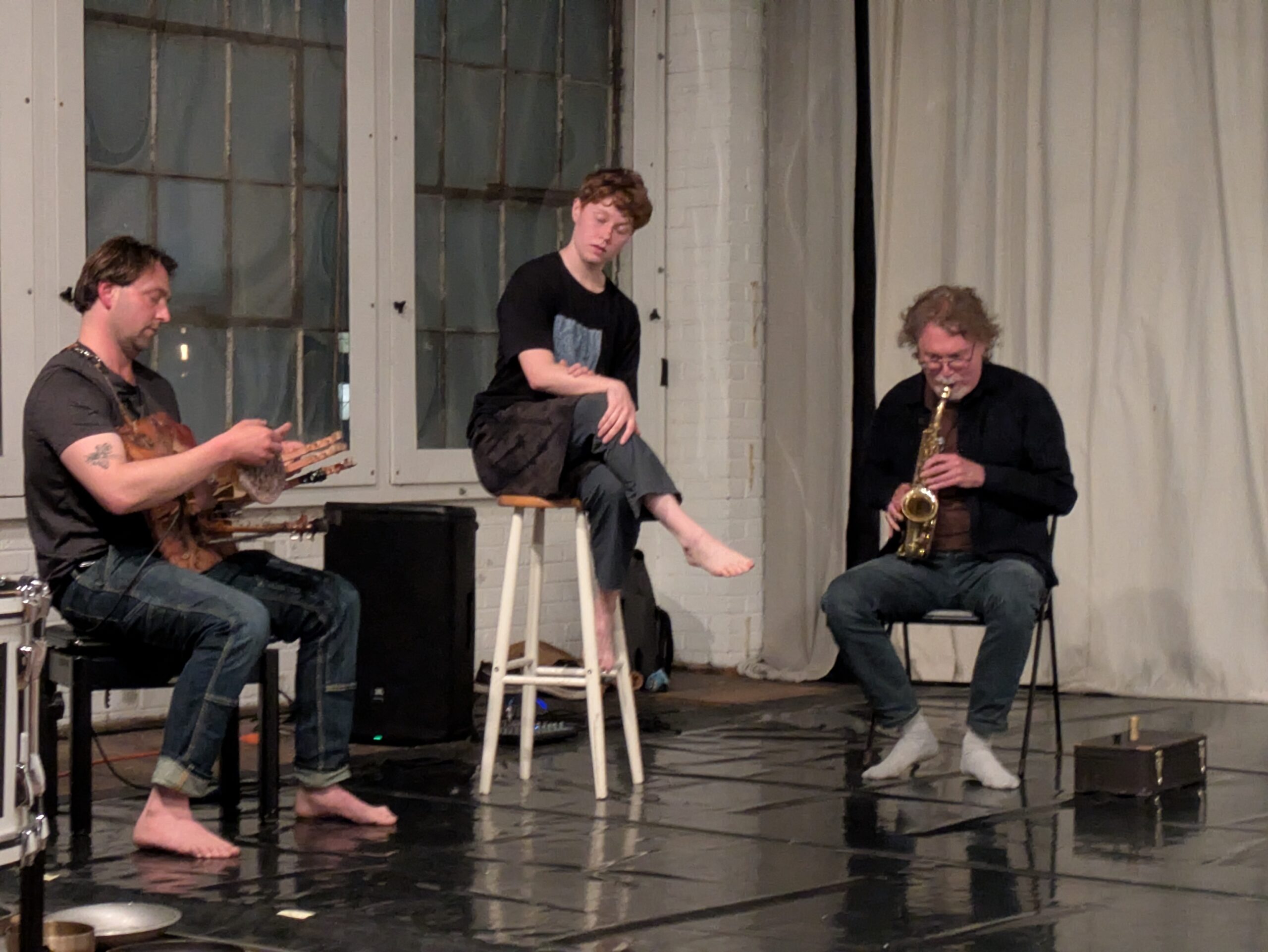
Three people sit in an oblique triangle that fills the frame. To the left, a musician, Aabeizer, sits on a black bench in carpenter jeans and a dark t-shirt. His eyes are closed and his feet bare. He moves his hands around a circular plate and wooden dowels that extend from a wood board he holds against his chest. To the right, a saxophonist, Bhob Rainey, sits on a folding black chair in a black cardigan and grey pants, blowing into the mouthpiece and pressing the keys. Between them, a person with short red curls, Kayliani Sood, crosses their legs on a white stool, sitting higher than the musicians beside her. They wear brown shorts over grey pants and a black t-shirt with a blue square patch in the center. She rests one hand on her knee, and the other over their forearm, closes her eyes and tilts their head pensively to the right.
Photo: Loren Groenendaal