As I walked into Mount Vernon Dance Space, I banged the door of the church loudly behind me. I caught the eye of the ticket seller and cringed apologetically, but she responded with a warm smile and a dismissive wave. The open yet intimate space was a surprising contrast to the hulking exterior of the stone church. A nice-sized audience of about 30 or 40 was already seated and chatting, waiting for this evening’s Mixed Grille.
I recognized faces of presenters and performers I had seen recently at Hybridge Arts’ Last Monday, a similar evening of varied short works. I appreciated the sense of close community, and I wondered what makes this format so appealing to artists, and what differentiates the various showcase evenings around the city.
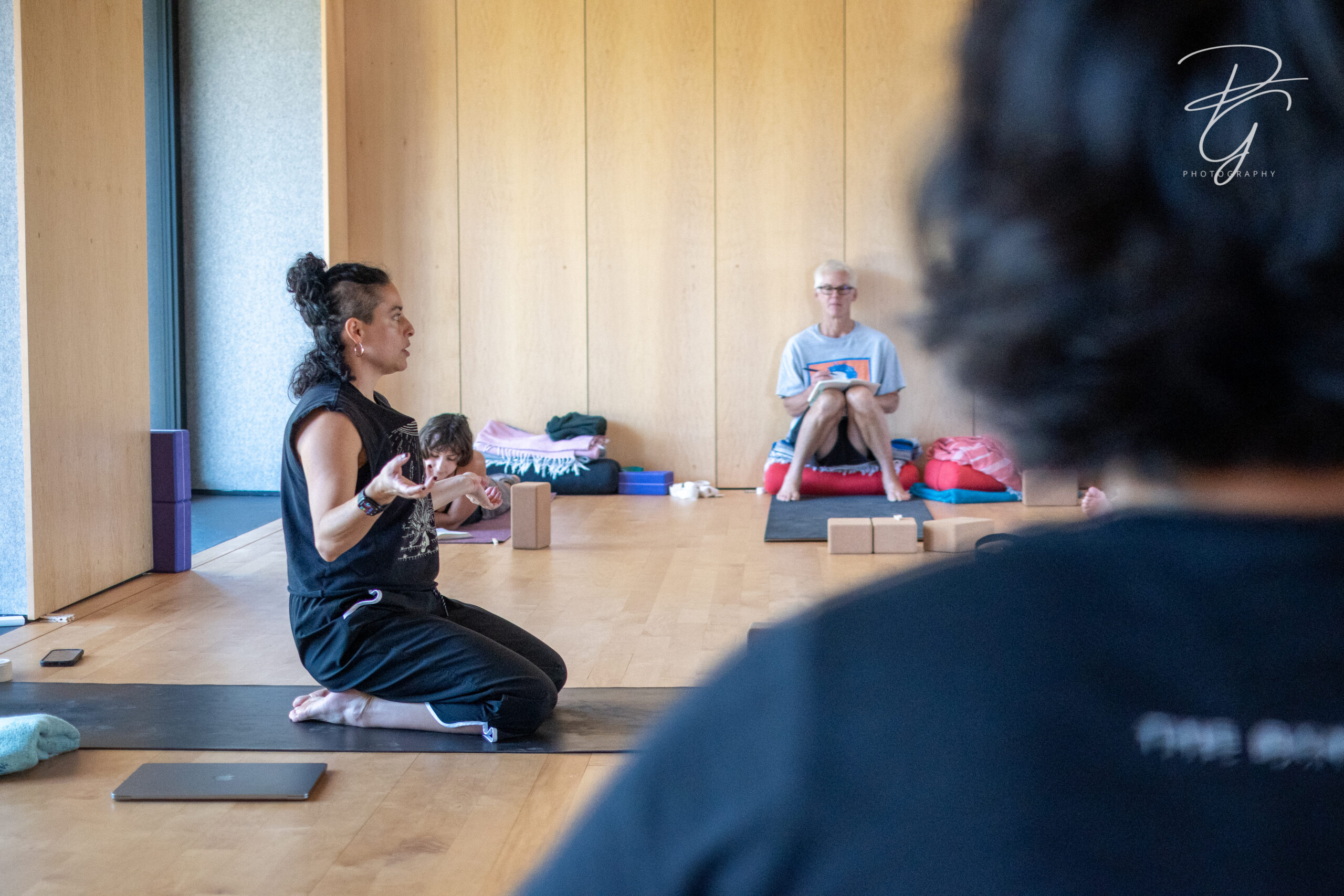
Philly Performance Arts Research & Development (PARD) offers not only Mixed Grille, but classes and workshops, describing itself as “a laboratory for the investigation of dance and movement-based art forms.” Director Curt Haworth explains that PARD began just recently, in 2010, when he was asked to take over Mount Vernon Dance Space. As a relative newcomer to Philadelphia, he was interested in getting more involved with the Philadelphia dance community, and he saw potential to use the space to build a program similar to one he worked with in New York: Movement Research.
Haworth’s idea was to focus on R&D by forming a centrally located, artist-run, self-sustaining organization (PARD receives no outside funding) that would host technique, improvisation, and composition classes as well as occasional performances. While Haworth continues to reevaluate some structural things like scheduling to accommodate community demand, the R&D element seems to be a solid core.
Teacher Shannon Murphy describes PARD as “a place to teach tools I myself want to investigate.” She attributes this to not having to conform to a particular aesthetic, and says it allows her students to be more open to experimentation, rather than “getting all the combinations ‘right.’”
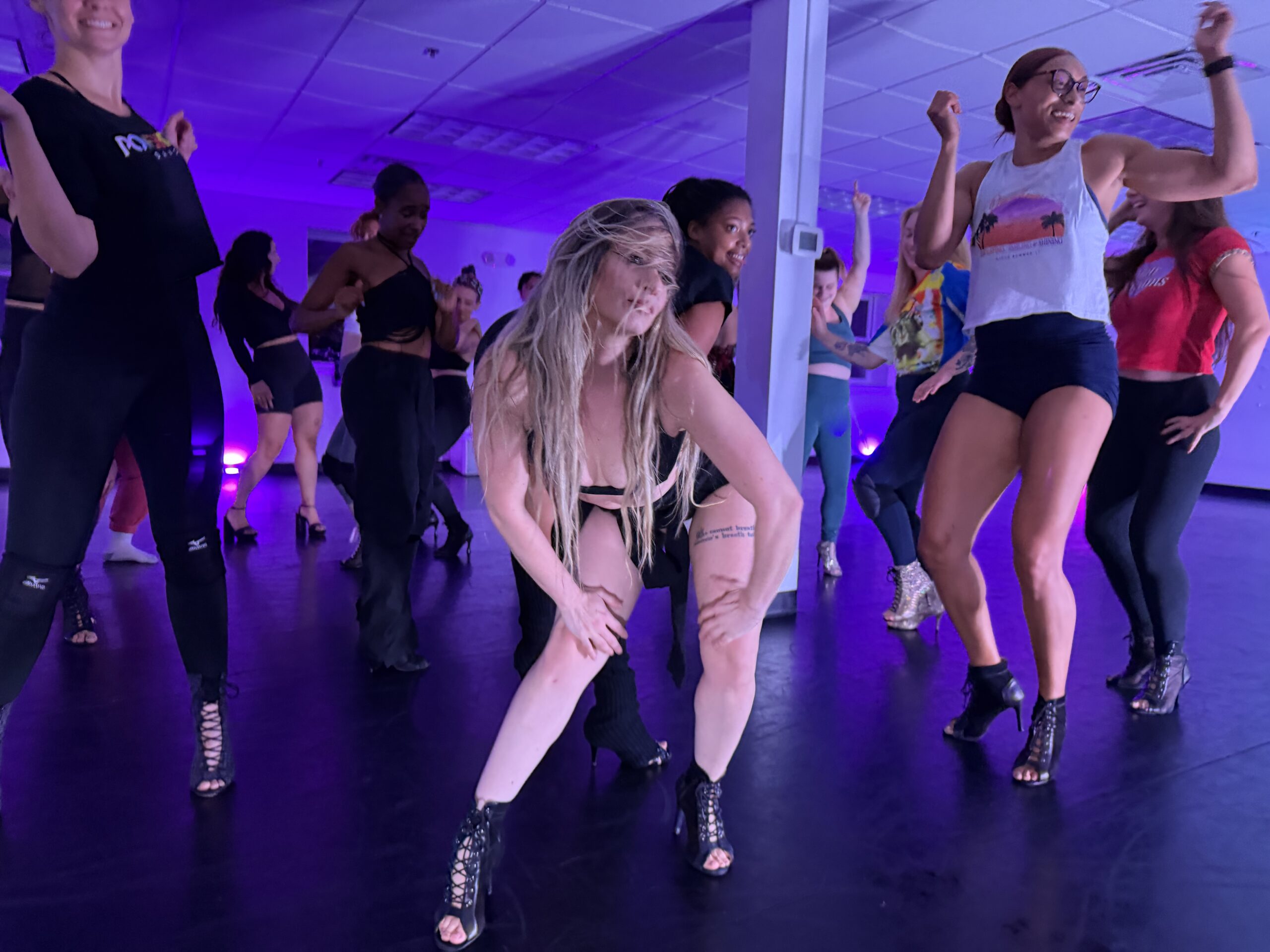
She feels there is a large community of dancers — “free-lance post modern movers” — whose aesthetics are very different from those of the other studios currently offering classes. Haworth confirms this by noting that he selects teachers who are from parts of the community that do not already have a core studio.
Mixed Grille incorporates these ideas as well. Saturday night’s program clearly designated when completed pieces had premiered, and highlighted works-in-progress by featuring them at the end of the evening. However, I’m not sure that I would have noticed this without the conversations I had with Haworth and Murphy. If PARD truly wants to incorporate performance into its investigative structure, it would benefit from communication with its audience. A post-show discussion, or even a clear explanation of the evening’s intent, could connect artists and audiences in a deeper way.
For more info on PARD, go to http://www.mt-vernondancespace.com/home