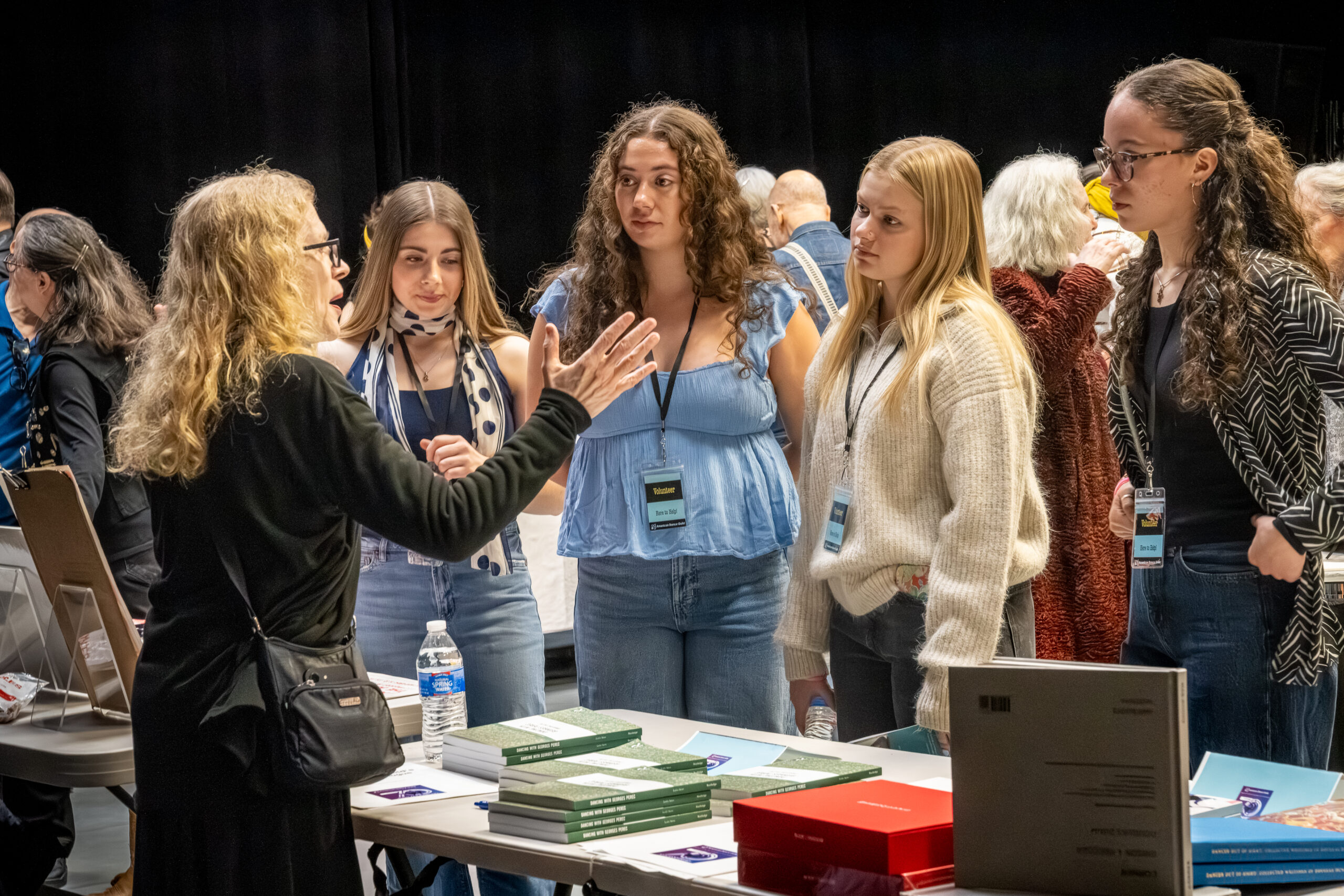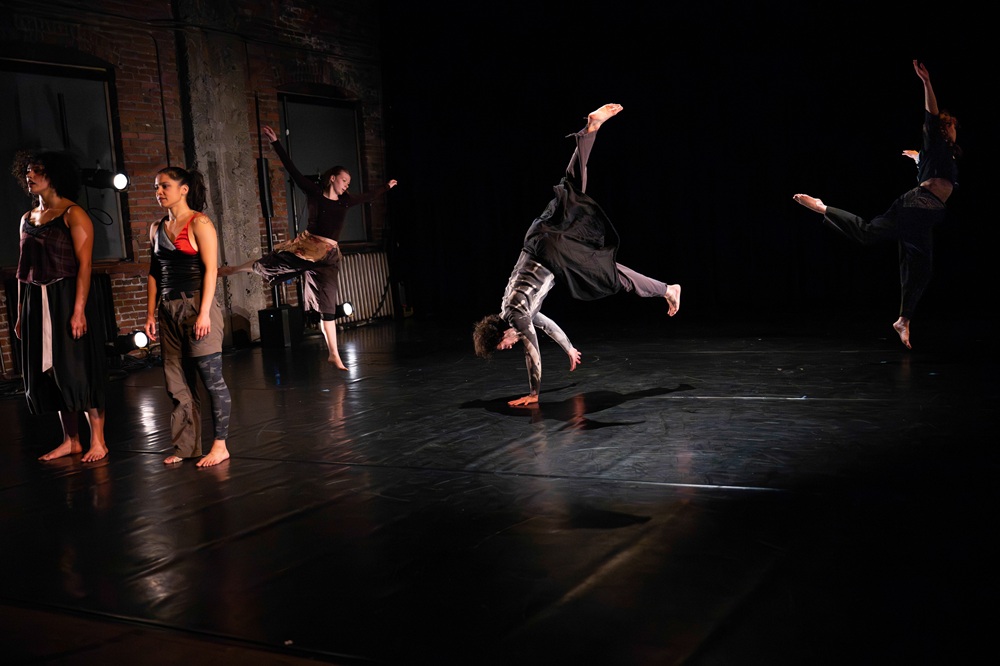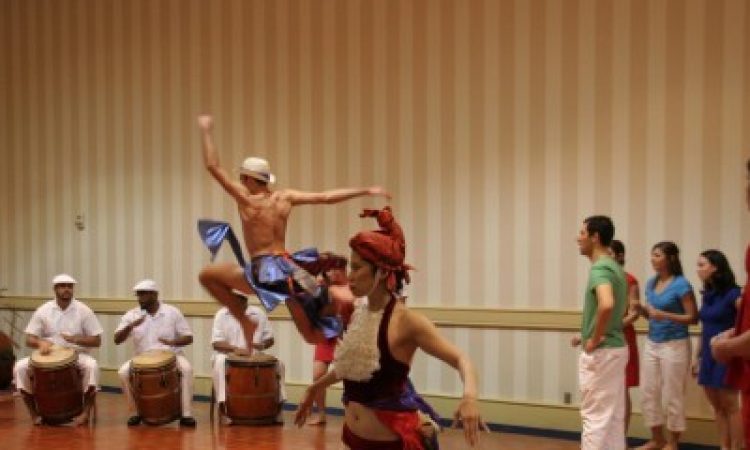
I’m often asked in apparent disbelief: “Do people actually research dance?” The Congress on Research and Dance (CORD) joint conference with the Society of Ethnomusicology (SEM) answered this question with a resounding “Yes!” On November 17-20, over six hundred dance and music scholars flocked to the center city Sheraton, showcasing the passion and work of dance researchers, writers and choreographers who often go unnoticed by universities and the public at large. Dance and music scholars directly dialogued with one another; global dance research abounded. Where else could you learn about Samoan tourist festivals, Philippine rituals in Toronto, Mexican folk dance, American hip-hop culture, and practice Afro-Cuban dance all in a few hours?
Experimental dance is not the first to probe the interdisciplinary relationship of music and dance. The global dance presence at this conference highlighted how, in many cultures, the two forms are inseparable. Several related questions emerged over the course of the four days: How can dance and music affect social change? What are our responsibilities as dance ethnographers? How are tourism and technology affecting dance? How does dance travel across a population in a diaspora? How can dancers and musicians collaborate on creative projects? How do we embody social and cultural memory through dance? What are our priorities for music and dance education?
Toni Shapiro-Phim was one of the many Philadelphia educators, choreographers, scholars, and dance advocates who represented the depth of the local dance community. Her research, “A Sacred Melody and Innovative Choreography in Cambodia,” centered on trance and the role of spirits in guiding Cambodian performers. Drexel University, Temple University, and University of Pennsylvania sponsored a music and dance concert featuring Kùlú Mèlé, Fiddlekicks, and Merián Soto – sending a strong message that dance research should not be isolated from the practice and performance of dance. During a pre-conference symposium at the University of Pennsylvania, music and dance presenters shared stories of engagement with the Philadelphia community. Educator Laura Katz Rizzo presented on student research in a university general education dance course and found it extremely helpful to discuss teaching strategies with music educators.
The range of research and the overlap of theory and practice proved the tremendous vibrancy of the dance field. And the many examples of dance and music collaboration emphasized the sheer number of people interested in supporting dance as an integral component of culture. With a commitment to fostering an “international community of current and future dance leaders,” CORD makes the dance research world feel much less lonely.