Photo: lds.org
Photo: lds.org

Editor’s note: thINKing DANCE is excited to be sharing articles with our friends at Culturebot. Stay tuned for future cross-listings.

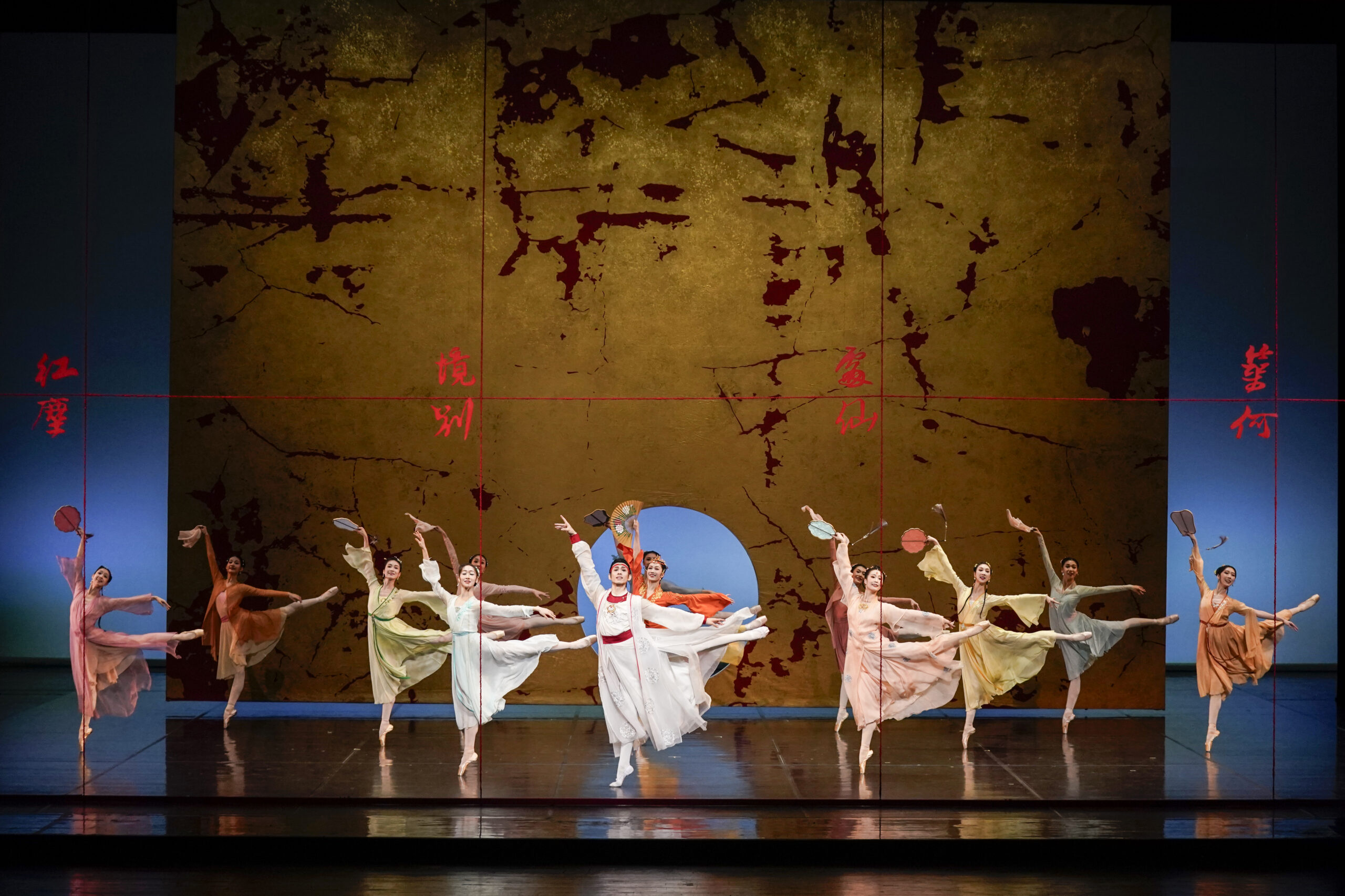
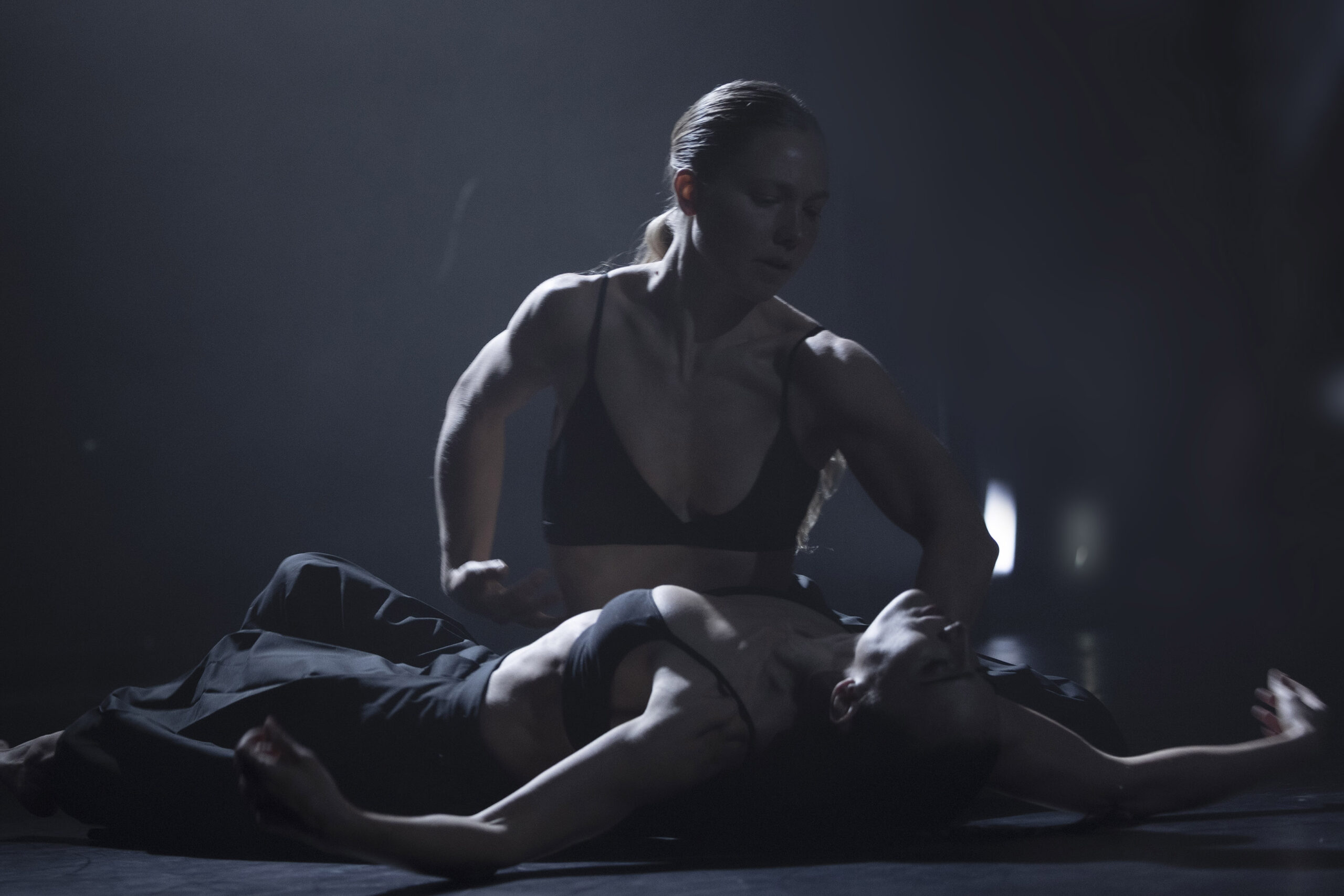
On Thursday night Moriah Evans presented an incredibly strong work, Social Dance 9-12: Encounter at St. Marks Church as part of the 2015 Danspace Project season. At the end the dancers left the stage space but stayed in the room. There was no bow. The audience, clapping vigorously, sat looking directly at the performers as they sat and drank water. The dancers stopped accepting the objectifying gaze of the audience but the audience wasn’t done imposing it on them. A tension and awkwardness emerged. Are they going to bow? No, they’re not. They’re going to tensely wait until we are done clapping so this liminal purgatory between art and not art can be over. They’re going to endure this awkwardness.

But maybe it’s worth it.

I am against bowing at the end of dance performances as an unquestioned default. I’ve been to many shows that have ended with a bow that compromised the work. Something magical and specific is created in the time and space of the art.
 

Originally published October 23, 2015 at culturebot.org .  Head over to culturebot to read the rest of John’s piece.

By John Hoobyar

Share this article

PARTNER CONTENT

Keep Reading

The Leaders Behind the Headlines: Conversations with the Kennedy Center’s [Terminated] Dance Programming Team

Ashayla Byrd

What happens when political agendas take precedence over a nation’s desire to feel seen and supported in artistic spaces?

A group of five individuals, dressed in business attire, all gather together for a selfie in the velvet-carpeted lobby of the John F. Kennedy Center for the Performing Arts. Jane, at the front left, is a white, brunette woman with a medium pixie cut. Clad in a magenta blazer and black turtleneck, Jane dons a bright, bespectacled smile. Grinning behind Jane, Mallory, a white woman with dirty blonde hair, wears a black and white gingham dress and holds a silver clasp. Malik, a tawny-skinned Black man in a black button-down and trousers, stands beaming at Mallory’s left. Allison and Chloe, dressed in a white button-down and a floral dress respectively, lean into the photo, offering their smiles as well.
Photo courtesy of Ashayla Byrd

Long Live the Queen

Brendan McCall

It’s 1963 and 2025 and Richard Move IS Martha Graham

Lisa Kron, playing dance critic Walter Terry, has short brown hair, is dressed in a tan suit and wears thick-rimmed glasses, sits with their legs crossed and a notebook on top of their lap. Opposite, Richard Move as dance icon Martha Graham sits regally in a long dark dress, their hair up in a bun, and their eyes highlighted with dramatic eyeliner. Between them, is a small table with a vase of white flowers, and behind them are two women in a unison dance shape: bowed forward, with one leg extended high up behind them.
Photo: Andrea Mohin