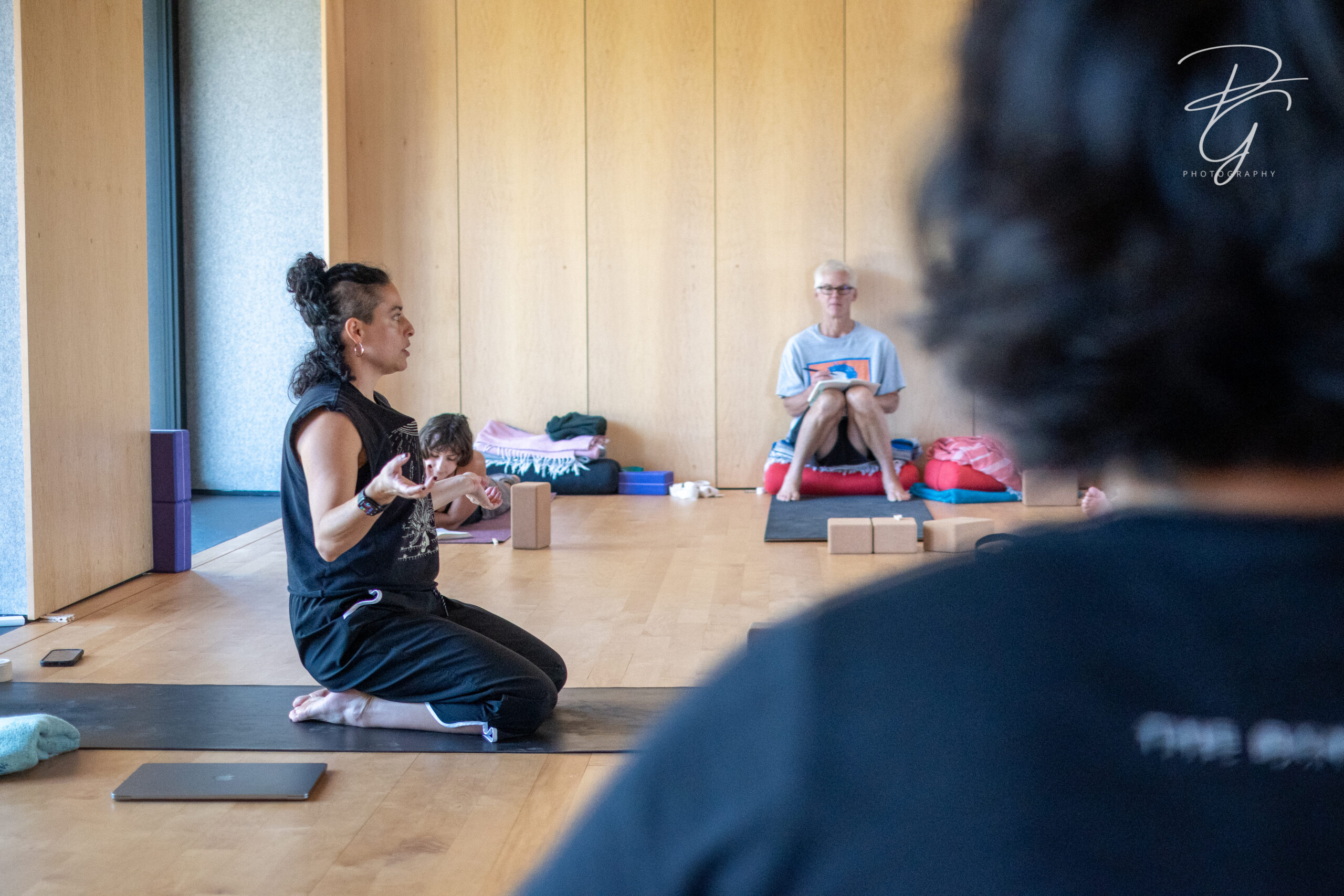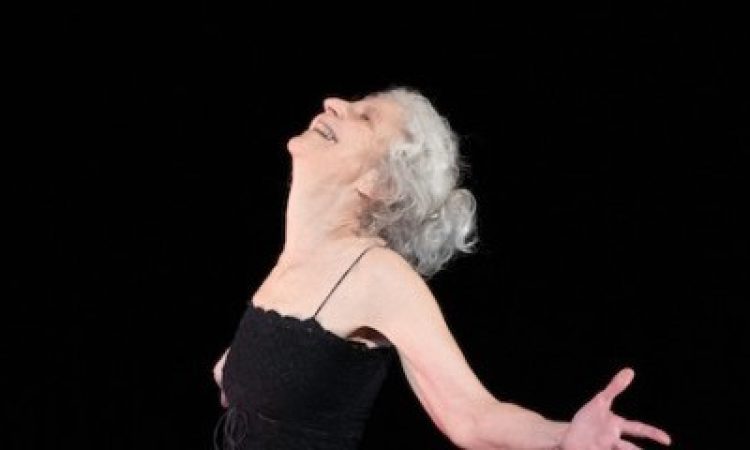
It’s 1989. Sheila Zagar stands in front of her movement class in Philadelphia for the first time. Over the next 35 years, she will teach the same class every second Wednesday of the month. As Sheila recollects these memories, I try to imagine how many people have been affected by her life of teaching and mentorship. It’s hard to grasp.
When asked who her first mentor was, Zagar, 77, responds, “It’s complicated.”
Sheila recounts an early life of joyful movement, often prompted by her father in their home. When she was 16, she accidentally stumbled upon a free concert in New York choreographed by José Limon. This piqued her interest: “It was like no dance I’d seen before.” After moving to Philadelphia, Sheila sought modern dance classes in her twenties but didn’t consider herself a real professional: “It was just for fun until I took class with Pete Conlow…he told me something that stayed – ‘if you want to dance, it’s not a miracle. Anybody can do it with time and dedication.’”
That comment changed the trajectory of her life.
For Zagar, dance was always about release, joy, expression, and identity. As a Jewish American woman, her dance experiences with the Jewish German Dance Theatre – a company based in Philly from 1985-1990 – “transformed [her] understanding of [her] Jewish heritage.” The company performed in Germany before the fall of the Berlin Wall.
By working and learning from dance artists such as Brigitta Hermann, Manfred Fishbeck, Helmut Gottschild, and Brenda Dixon Gottschild, Zagar began to view her collaborators also as her mentors. She kept dancing as the decades passed, eventually becoming a teacher and choreographer.
When asked about her own values as a mentor, Sheila is clear: “It’s important for [people] to feel alive…spending time [with me] is a safe place to live dangerously…we can feel joy, even when working through tragic and heavy subject matter. The act of moving always helps.”
This sentiment makes me think of mentorship as home – a space of refuge to confront and unpack the shadow parts of a dance career. As any long-term dance artist can attest, it is not an easy profession. There are always hurdles evolving and overlapping: injury, burnout, financial distress, competition, opportunities, and resources. The list is relentless, yet Sheila and many others are dancing into their 70s and beyond.
While speaking with Zagar, she continually emphasized community and reflection, which made me think of how Group Motion influenced her mentorship philosophy. After her classes, there are always potlucks – people are encouraged to enjoy one another’s company and food. It makes sense that dancers keep returning to the space she creates: of expression, belonging, and working through complex subjects – such as living as a Jewish American after the Holocaust – as a community.
As we end our conversation, I ask Sheila about some of her decades-long students/mentors. Some have been there since her first day of classes. Some are in their mid-80s today. What a gift, I think, to work with someone for that long, bringing their own children with them. Sheila believes “no matter what people’s movement capabilities, they can be extraordinarily gorgeous. There’s something they can do that no one else can. I find and highlight that in each of my mentees.”
“On Mentorship and Ageing” is a three-part article series. This series explores the complex dynamics inherent in mentorship. The previous article covered aspects of “seeing the mentee as a whole person.” To share your own stories in mentorship, please contact the author at meganm@thinkingdance.net.