33-year-old Black choreographer Layla Smart is ready to soar. She’s elatedly accepted an artist residency at Briar House, a prestigious organization in the heart of white, rural Vermont, and given nine months to make “any dance she wants.” But nothing is as it seems.
Little Movements, the debut novel by Lauren Morrow, is a refreshingly sharp and vulnerable portrayal of “choreographing while Black,” especially within arts organizations that select artists based on a myriad of secretive factors. The protagonist grapples with imposter syndrome from the very first page: does Layla really deserve this opportunity, or does she simply check enough demographic boxes? Briar House hasn’t selected a Black choreographer in two decades. Through a confessional first-person point of view, she thinks, “Maybe I didn’t deserve to be at Briar House. Or to be a choreographer at all.” When this sentiment is piled on top of: “[My dancers] were all better dancers than me–better than I’d ever been–and stood out in different ways,” Layla invites the insidious collaborators of comparison and insecurity into her art, doubting herself before even stepping into the New England studio. Many real-life dancers will relate to this pervasive struggle in a career characterized by constant selection and rejection, both random and calculated.
The book shines with an ensemble of characters both humorous and infuriating. The organization’s leader, Margot, is a nefarious wolf in fashionable sheep’s clothing. A few of her actions made me bristle, such as selecting dancers for Layla, then re-hiring a dancer as a rehearsal assistant, all without Layla’s consultation. What is “artistic freedom” if someone else is pulling all the strings? A wealthy and older white woman, Margot struts into Layla’s rehearsals unannounced, silently assessing the dance’s progress. Any choreographer will relate to how critical early rehearsals are, and how jolting a judgemental presence can be in a nascent creative process. Margot doubts Layla, which in turn causes the choreographer to shrivel in her rehearsal studio.
Time is a looming factor in the novel: Layla is given nine months to create an evening-length work—an arrangement that sounds generous on paper, yet remains an exacting and compressed timeline for choreographers tasked with producing sophisticated, high-stakes premieres. As the clock ticks, Layla also feels age affecting her body: creaking knees, heaving breaths. She can’t keep up with her younger dancers.
Her nearly all-Black ensemble stands out like sore thumbs in rural Vermont, and Layla feels it acutely. Professional dancers who have toured in different areas of the U.S. can certainly relate. On her walks in the woods, Layla ironically feels less safe than the busy streets of New York. She and her dancers are racially profiled in small-town Vermont. Layla muses, “[I’m] grateful to experience this beauty and quiet but also to return, eventually, to the city that was more suited to me. A place filthy with energy and life.” The concern is visceral when Layla steps into an Uber driven by a local right-wing militia member (is she going to get hurt? Will she make it home safe?).
Alongside the nine-month dance residency is Layla’s early pregnancy with her first child, which includes experiencing the terrifying effects of preeclampsia (a condition known to disproportionately affect Black women, contributing to a high maternal mortality rate in the U.S.). She is commanded to rest, but what Black female choreographer has time to lay down when they’re about to produce the biggest (and now most controversial) show of their lives? Layla´s career, and bank account, hinges on the success of her dance.
An underlying and relatable thread of economics pulses throughout Little Movements. All of Layla’s decisions are carefully considered: a steady partner, job, and home. At times the cautiousness feels claustrophobic: how can one create daring and innovative art if they’re always on guard and tentative? Did Morrow, who studied dance and writing at Connecticut College, deal with similar issues as her protagonist? All dancers keenly feel the anxiety of replacement with age and skills, and Layla’s temperament will ring particularly true for many emerging artists. A circumspect and self-described ‘recovering people pleaser,’ Layla’s character arc is situated well within her mother’s warnings: Don’t get fat. Don’t end up with less than you started with. Avoid being alone at all costs. She’s always on time. Always measured, rational, cool, and disciplined. After doing everything “right,” she’s still dealing with instability.
One of Layla’s dancers asserts, “anytime you put Black bodies onstage, it’s going to be about race. Especially if there’s one white body doing something oppositional.” But all Layla wants is to extrapolate herself: “‘Margot mentioned Revelations by Alvin Ailey….and other works by contemporary Black choreographers…works I loved, but that had nothing to do with my approach….couldn’t I pick and choose what I wanted my work to mean something or when I wanted it to be about structure, or birds, or speed? Why couldn’t I have that privilege?” Layla’s questions point toward a larger tension: When do any of us have control of what audiences perceive? If Layla was granted real artistic license, would that privilege truly come to fruition, through and beyond racial and gendered identities? Is this even possible? These thought-provoking questions feel real and topical to dance in 2026.
The largest fissure in the narrative is when Layla comes home during a residency break, only to find she’s been wholly replaced—in her home and her partnership—by another. The realization is earth-rocking; refreshingly, she slides out of any self-contained restraint and calm; she seethes. Dahlia and Kofi—two beautifully drawn dancers and characters—are the friends everyone needs when our private lives implode. That hot anger and betrayal nourishes Layla’s artistic process. How will the ground shifting beneath her cause the massive upheaval that will inspire her movement vocabulary? After another personal tragedy, Layla’s choreography evolves again: “I saw the work with new eyes, began to live inside of it. I read it like a book, examined its curves and edges like a sculpture, listened to its rhythms like a song.” Morrow’s depictions of movement are clear and rich in imagery, lush, and sometimes sentimental; I could picture each section of choreography.
Little Movements captures the frustration and paradoxes of being a choreographer free to “make anything” under the constraints of an organization that’s salivating to consume “Black art.” It tackles the ever-pervasive “anxiety of replacement” alongside a ticking clock of physical aging and the very real deadline of a curtain opening. When established, gatekeeping institutions are writing the paychecks, and when Layla is at the mercy of their approval, it’s not so free after all. Without spoiling the final chapters of the book, Layla finds her way, through and out of the restrictions of Briar House, just like any choreographer discovering a new exhilarating pathway in their work.
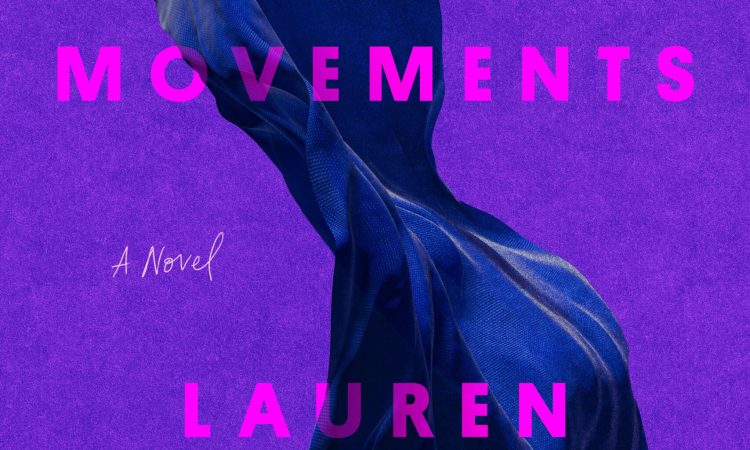
Little Movements, Lauren Morrow, 2025. Random House Publishing.