Walking into the Parkway Central Library where Black Dance Confab is just beginning, I pass several posters of Philadelphia dance leaders. I’m especially delighted to see Arthur Hall cited, which immediately signals that I’m among familiar company.
Arthur Hall is the founder of the Village of Arts and Humanities in North Philadelphia, formerly known as the Ile Ife Humanitarian Center and home of the Afro American Dance Ensemble. “Ile Ife” means “house of love” in Yoruba, and this name set the tone of nourishment that the center has provided to the Fairhill-Hartranft neighborhood over the past 50 years (and counting!). The center began offering African dance and drum classes in 1967, and I am fortunate to teach dance there today. Hall is one of many exceptional Black trailblazers in Philadelphia who used dance to create pathways for future generations to thrive in Philly and beyond.
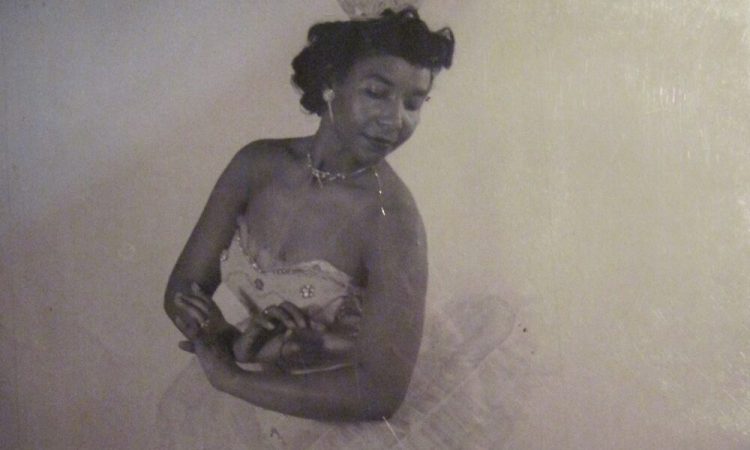
Hall was a student of Marion Cuyjet (1917-1987), one of three legacy women along with Essie Marie Dorsey (1893-1967) and Sydney King (1919-2024) who opened their own dance schools in Philadelphia. They offered extensive artistic mentorship to Black dancers during a time when other schools prohibited students based on race. The trio will be featured in the new Black Dance Legacy Mural by artist Bernard Collins Jr. Their initiatives laid foundations for the innovative, humanitarian, and liberation work activated through dance by subsequent Black creatives and mentees like Arthur Hall, Philadanco founder Joan Myers Brown, Alvin Ailey director Judith Jamison (1943–2024), and Sierra Leone-born dance prodigy Michaela DePrince (1995–2024), who will also be featured in the mural. The mural will live on a Grays Ferry wall owned by the founding family of the Odunde Festival, which has been commemorating African culture from across the diaspora since 1975.
Black Dance Confab is an award ceremony honoring Black dance matriarchs in Philadelphia, and one of several events leading up to the mural dedication, tentatively scheduled for late June. The families of Cuyjet and King receive awards on behalf of the late dance leaders who are celebrated through oral tradition and performances. Students, colleagues, and fellow community members gather to honor their legacies:
“Thank you to the people who broke through what was attempted to be kept from us,” says Karen Warrington, former student of Sydney King and lead choreographer with the Afro American Dance Ensemble. “Without [them] we wouldn’t have had a portal to come through.”
Hosts Warrington and Jovida Hill, weave a web of intertwined experiences between attendees by encouraging us to speak about our connection to dance and to share stories about the honorees. Dancers and former students of the pioneers speak of their teachers endearingly by their nicknames. Cuyjet, frequently referred to as “su-su,” is remembered for the discipline and artistic rigor offered through her teaching, as well as for her scholarship fund that poured recital proceeds back into training opportunities for ambitious young dancers. When speaking about Judith Jamison, one attendee recalls whispering excitedly to her friends and basking in the charisma and magnificence of the dancer. “Miss Sydney” brought plenty of nourishment and mothering to her students through her work. Collectively, the guidance of these teachers modeled avenues for many more dancers to break through racial barriers in arts education for generations to come.
As the West Philadelphia High Dance Ensemble prepares to perform, department director, Dara Meredith, recalls studying Horton Technique under Faye Snow, another prominent dancer of the Philadelphia dance education past. Numerous other attendees echo Meredith’s respect for Snow, crediting her for her life-changing impact as a dance educator and mentor who made lasting contributions to their lives. As current head of West Philadelphia High’s dance department, Meredith remembers learning both Sydney King and Faye Snow attended the school, and Snow also taught there after graduation. Similar serendipitous intersections of legacy and tradition continue to unfold like this throughout the afternoon.
The West Philadelphia High Ensemble performs two pieces: a solo to Lamont Carey’s poem, I Can’t Read, and a joy-themed ensemble piece portraying a church congregation that blends contemporary and praise dance. The dancers’ enthusiasm, stage presence, and technical foundations evidence a dedication to the craft and their teacher’s Horton influence. Their movement not only activates the space but animates a thread of the Black dance lineages spoken of moments prior. The connection between the past and present is visceral, their dance a testament to those shaping the current and future landscape of Black dance in Philadelphia.
In closing remarks, Warrington declares, “We’re gonna make sure the youth know how they got here, who paved the way. They will know the legacies they come from.”
Black Dance Confabs Talk #2, Mural Arts, Parkway Central Library, May 23.