José Limón

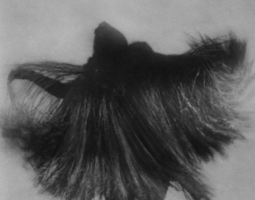
n a soft, blurry black and white photo, dancer Mary Wigman performs in Idolatry (Götzendienst), part of the solo cycle from Ecstatic Dances as revised for her first solo tour in 1919. She wears opaque black tights, shoeless, and a thick fringed black dress that covers her entire torso. It’s difficult to tell, but the shadowy form looks to be throwing her head back. Photograph Courtesy of the Mary Wigman Archive, Academy of Arts, Berlin.
Photo: Hugo Erfurth

The Rear-View Mirror: Hindsight from a Dance Scholar

Megan Mizanty

How does the lens switch as time passes? Susan Manning's essays are collected in Dancing on the Fault Lines of History.

The image shows José Limón’s Scherzoa featuring four men in white pants, three of whom move in arched poses to the side with outstretched arms. The dancers are barefoot, showcasing fluidity and strength in their positions. At the center front, one performer sits on the floor playing a wooden drum, adding a dynamic element of live rhythm to the composition. The backdrop is a dark, neutral stage, drawing attention to the performers' motions and forms.
Photo by: Christopher Jones

Less is More – An Evening with Limón Dance Company

Ziying Cui

The enduring artistry of mid-20th-century modern dance.

Photo: courtesy of Jim May

Jim May: A Beautiful Friendship with Philadelphia

Lynn Matluck

I think there is a reawakening thirst for artistic expression beyond pure entertainment or academic exercise.