Photo: lds.org
Photo: lds.org

Editor’s note: thINKing DANCE is excited to be sharing articles with our friends at Culturebot. Stay tuned for future cross-listings.

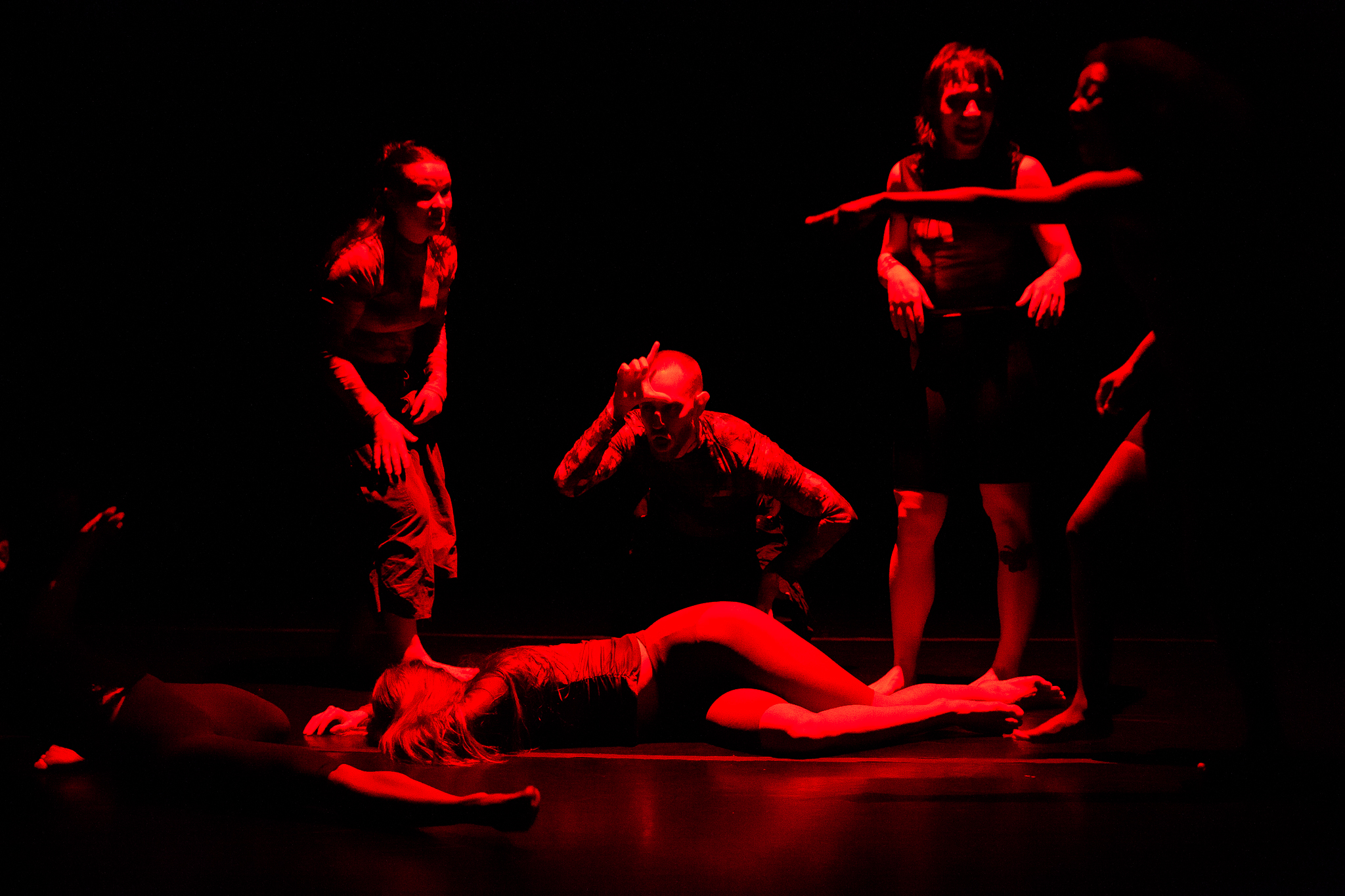
On Thursday night Moriah Evans presented an incredibly strong work, Social Dance 9-12: Encounter at St. Marks Church as part of the 2015 Danspace Project season. At the end the dancers left the stage space but stayed in the room. There was no bow. The audience, clapping vigorously, sat looking directly at the performers as they sat and drank water. The dancers stopped accepting the objectifying gaze of the audience but the audience wasn’t done imposing it on them. A tension and awkwardness emerged. Are they going to bow? No, they’re not. They’re going to tensely wait until we are done clapping so this liminal purgatory between art and not art can be over. They’re going to endure this awkwardness.

But maybe it’s worth it.

I am against bowing at the end of dance performances as an unquestioned default. I’ve been to many shows that have ended with a bow that compromised the work. Something magical and specific is created in the time and space of the art.
 

Originally published October 23, 2015 at culturebot.org .  Head over to culturebot to read the rest of John’s piece.

By John Hoobyar

Share this article

PARTNER CONTENT

Keep Reading

A witch, some kitsch, and a theory walk into a book

Jennifer Passios

On Liz Lerman’s "Shape and Momentum"

Nia Love, Vincent Thomas, Miko Doi-Smith, Paloma McGregor, Will Bond, Leah Cox, Elisa García Radcliffe, and Ruby Morales in Wicked Bodies at Arizona State University, Gammage (2022). Organized in three staggered lines atop individual black stools, (three dancers, two dancers, three dancers), the performers each assume a “superman” position on their stomachs, back muscles taught as arms and legs lift off. The dancers wear an array of costumes (billowing pants, structured blazer, expansive gauzy skirt, a polka dot jumper) in shades of black, white, fuchsia, and red. Collectively, they cast their gaze stage left, the direction of their “flight” as haze descends over the top ⅔ of the stage height.
Photo: Tim Trumble

The Four Mothers of Miki Orihara, or Learning Dalcroze’s 20 Gestures with my Daughter

Caedra Scott-Flaherty

Miki Orihara explores early modern dance and mothers in her newest work.

Around 20 workshop participants pose in front of an abstract oil painting in a bright gallery. They are all in different positions inspired by the artwork. Many stretch their arms out and up as if reaching. Some arch their backs or bend forward.
Photo: Chika Kobari, courtesy of KinoSaito