The audience is introduced to the dark black box of the Louis Bluver Theatre by a grinding mechanical noise. A performer walks tenderly across the stage in stark contrast to the gritty soundscore and sharp white sidelights. According to the program note, The Way the Light Hits the Puddle seeks to pile up grief and wring it out, so I take this introduction as an invitation to dive right into the performance’s exploration of sorrow.
Five dancers enter the stage, some running across it and bouncing off the walls while others sort through phrasework composed of gestures that resemble searching through water. A cacophony of arms and legs spiral into whipping turns which extend out into elongated shapes. The dancers snap and collapse onto the floor like rubberbands as the lights flicker and strobe: black, blue, yellow, white, red.
Within the context of this ephebic movement vocabulary, I’m intrigued by sudden moments of stillness: the eye of a storm. In one moment, the dancers sit downstage staring back at us. Waiting? Watching? Holding space? Am I meant to hold them––to hold their exhaustion?
In another moment, the dancers collapse and then sit upright with their hands covering their faces as a second soloist scoots forward gingerly. Minutes later, as if a switch has turned on inside them, they rise again, inverting their airborne bodies, and kicking and windmilling their legs around. They throw themselves up in the air and down to the floor, repeating this pattern over and over until they exhaust themselves into complete release. After one final jump, they remain on the floor breathing hard as another performer enters the stage with a rusted watering can––a prop I almost wish arrived sooner. The new performer lifts an exhausted dancer and hoists them over their shoulder. The lifted dancer reaches for the watering can, takes a wet rag from inside, and wrings it out. I’m moved by this wringing, but can’t quite articulate why. Perhaps I see the exhausted body in the rag, now wrung and able to cry.
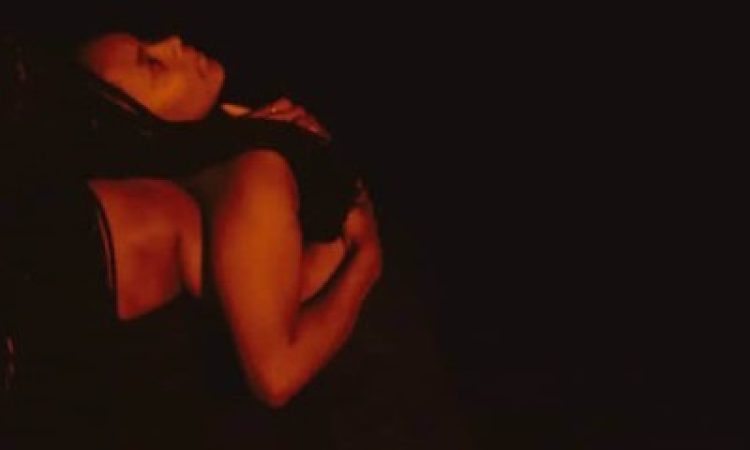
At the end of the show, the watering can offers itself as relief to the final soloist amidst strobing lights. They breathe deeply as the strobes fade, releasing into the water they pour onto themself from the can. In the dark they exhale, and I exhale too. We are both exhausted.
The Way the Light Hits the Puddle, Ally Wilson, September 26-27, The Louis Bluver Theatre at the Drake, Philadelphia Fringe