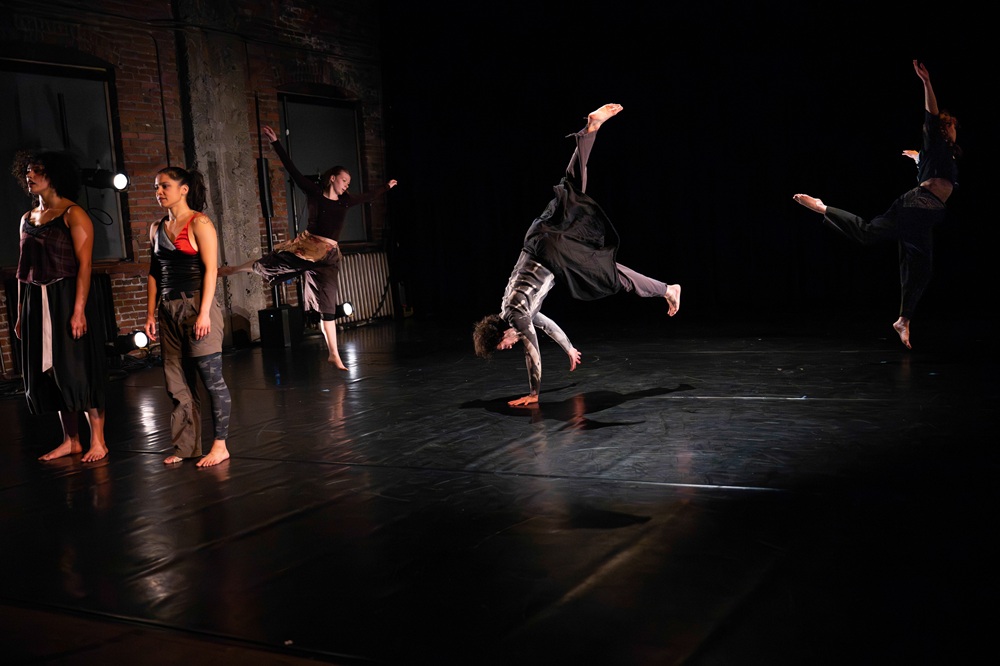
In the first weekend of the year-long Thinking Dance (TD) project, we locked ourselves away in the LAB studio for seven hours a day, green tea in one hand, pen in another, painstakingly editing 300-word reviews of performances presented by thirdbird at the Christ Church Neighborhood House. Friday night’s was a Blind Date of improvisation by a musician and dancer who had never worked together. The second night presented three pieces of choreography that explored the relationship of text to dance.
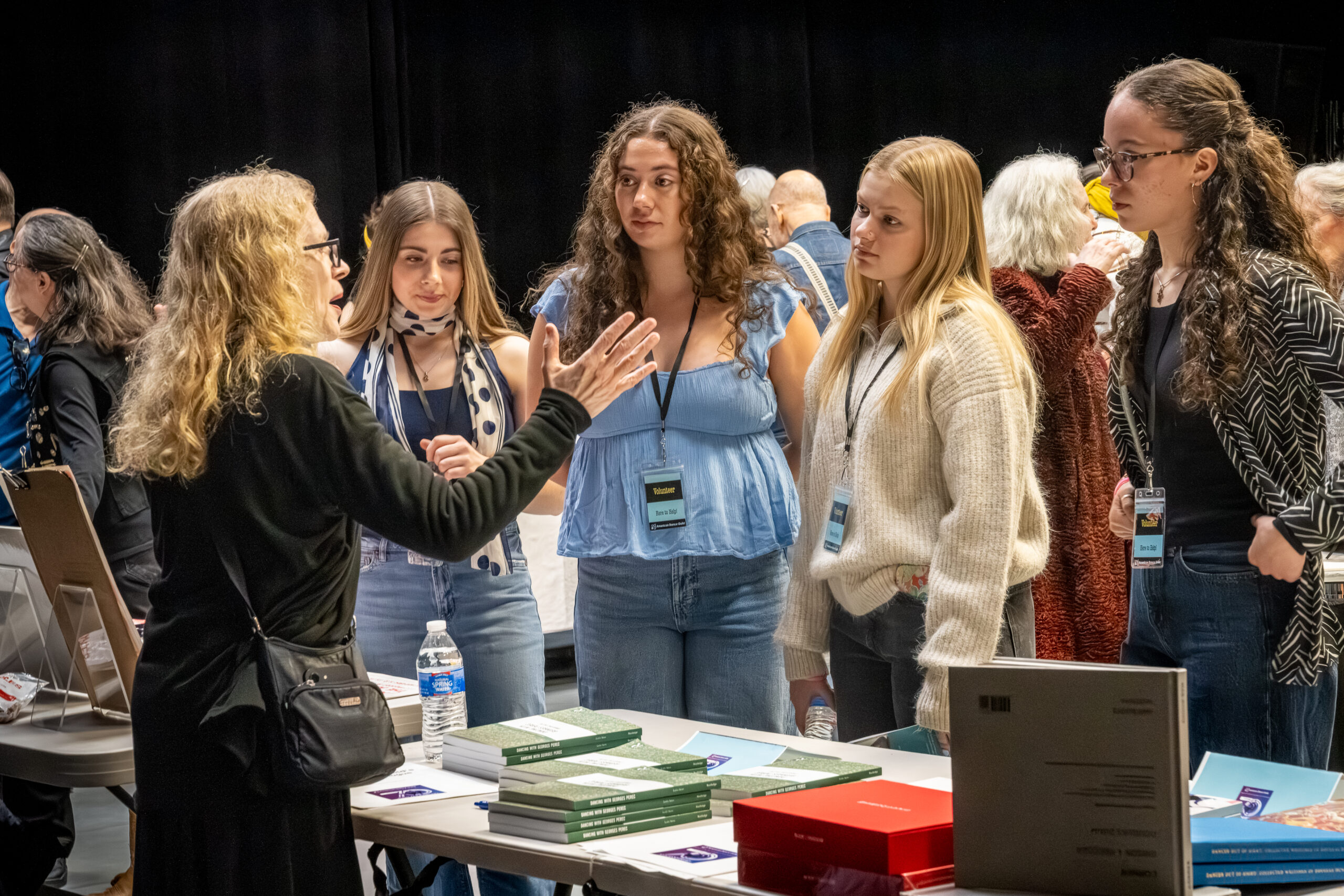
Leading the workshop was Elizabeth Zimmer, who has been reviewing dance across the continent since 1972 and was the dance editor for New York’s Village Voice from 1992-2006. Thinking Dance had a memorable beginning with our full days of listening to Zimmer announce her edits of our writing and discussing how to make each more compelling and efficient. The weekend gave the TD writers several tools for effective writing as it also scratched the surface of more complex questions of what is valuable in watching and writing about dance.
As we spent the weekend closeted in the fluorescent, windowless studio, seated around folding tables, nibbling ginger cookies, Zimmer stressed the importance of writing about what we literally saw onstage, not our interpretation of what happened or what we wished had been presented. We practiced changing conjunctive verbs, nouns, adjectives, and adverbs into active verbs, which, Zimmer urged, was the best way to say the most with the fewest words. We discussed some basics, such as opening sentences, through-lines of metaphor, and the obvious importance of excellent grammar. It was thrilling to learn that dance criticism is as much an art as performance onstage. When I choreograph, I search for an image with the strongest ability to communicate without any excess, which was exactly what we were doing when editing.
We also considered some thornier questions: how do we evaluate a dance? For instance, a hip-hop piece may have different criteria of evaluation than a ballet work. Or, when do you capitalize the name of a style of dance (this is still up for debate)? And who is the audience we are writing for? Are we writing for our friends, the general public, dancers, or academia? Zimmer offered her own answer: “We are writing for posterity,” but this may beg the question, as I believe posterity must also include a specific audience.
Everyone in the TD group comes from very different backgrounds. We range from performers and choreographers, to administrators and scholars. Some of us are deeply rooted in the Philadelphia dance community, others new to it. It is exciting to have such a diverse group, especially as it poses the question: how do our background and personal beliefs influence our critical opinions?
This was evident in the widely divergent reviews of dancer/choreographer Nichole Canuso’s improvisatory performance with percussionist Toshi Makihara on Friday night. Some appreciated the performance’s tight improvisational structure; some found it too well-prepared, too glossy for a night of improvisation. Perhaps the reviewer should make explicit the underlying aesthetic values that form the basis for her opinion, but the 300-word review format of standard journalism seems to preclude this possibility.
I hope that in further TD workshops we get the opportunity to write about what we find valuable in performance, and what underlies this value system. Our writing runs the risk of becoming another personal blog if the writing is not contextualized in history and is not self-critical about what aesthetic values we bring to the writing. I think the gold of the TD project is the opportunity to understand our personal and shared ideologies about dance and performance.