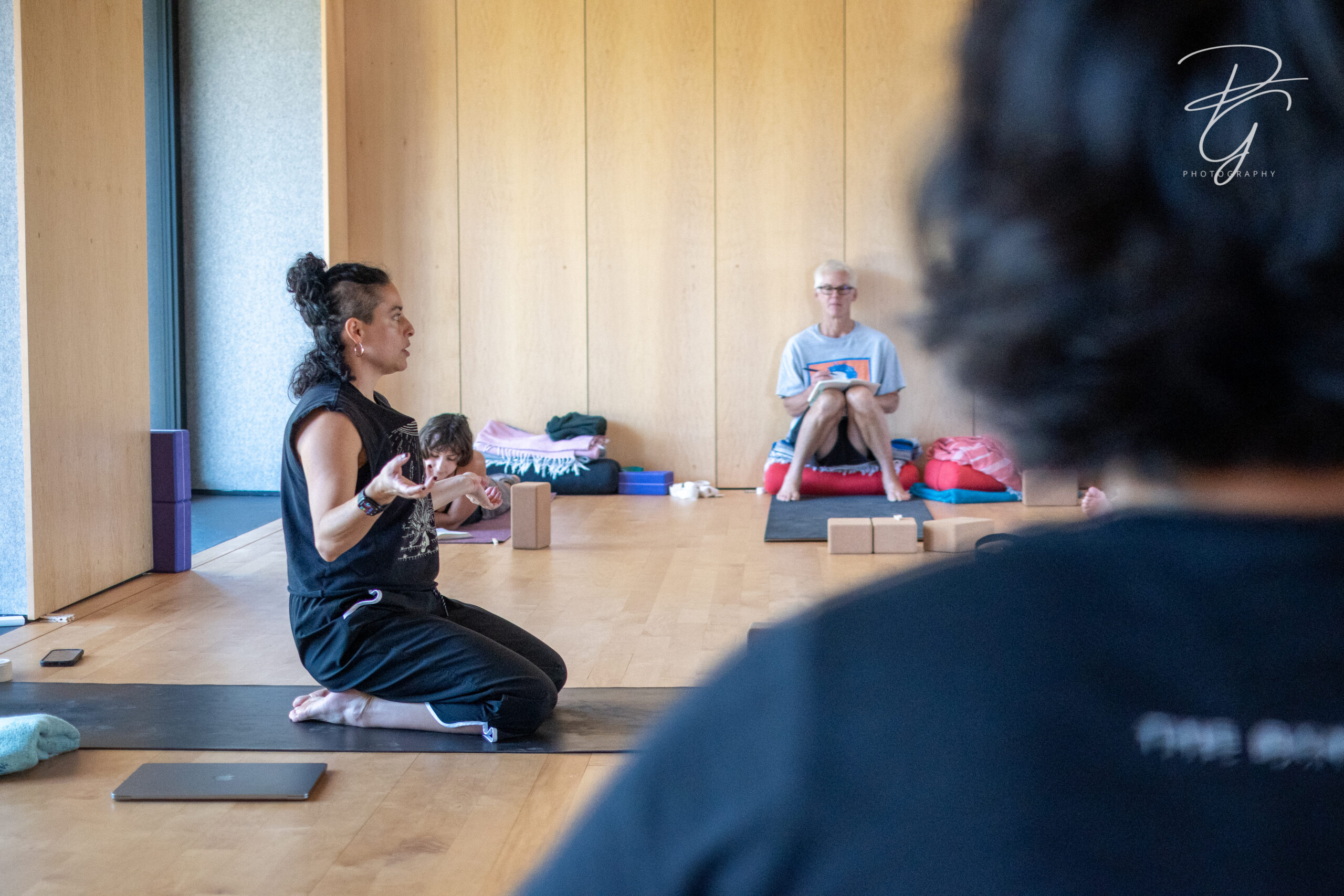
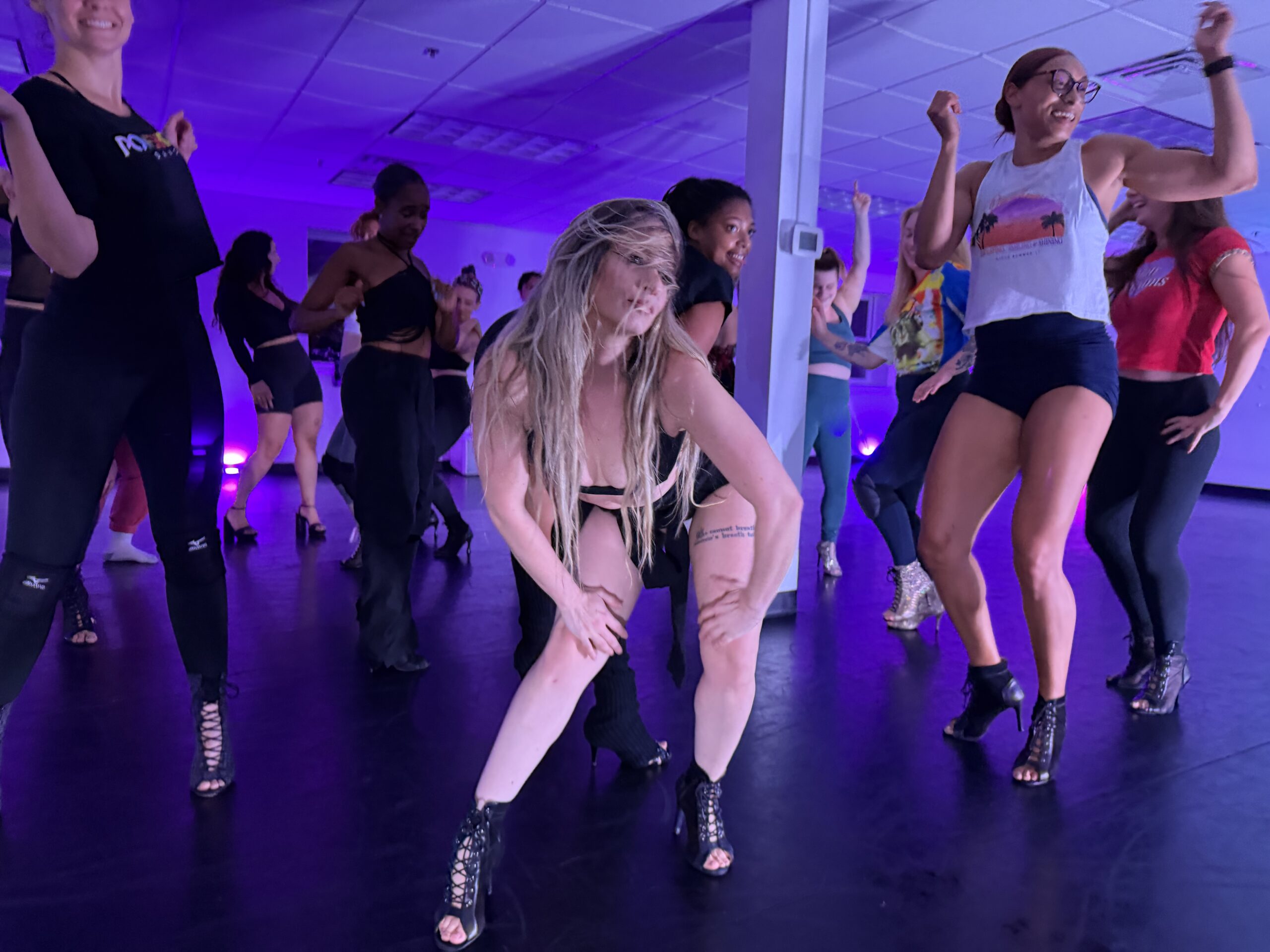
In Kariamu Welsh’s story on Elizabeth Zimmer’s Kamikaze workshop for Philadelphia dance writers (posted on October 28th), Ms Welsh reports that Ms Zimmer “quoted Edwin Denby, the early twentieth century dance critic and writer who said ‘Go to the performance, get drunk on the performance and then write about it so that the reader gets drunk.'”
I’m glad to see Ms Welsh’s report about the workshop: Liz Zimmer is a warm, generous, often funny editor and a spirited writer who likes to cut to the chase. She can be blunt. However,I’d like to put right a couple of things in the passage above.
Edwin Denby (1903-1983) published on dance through the mid-1960s, and interviews with him on dance were conducted until nearly the end of his life. There is no record he ever published the sentence that Ms Zimmer is reported to have quoted, although, in the 1954 essay “Dancers, Buildings, and People in the Streets,” which he prepared as a lecture for Juilliard students yet never delivered, he did write: “Dance criticism has two different aspects: one is being made drunk for a second by seeing something happen; the other is expressing lucidly what you saw when you were drunk.” He went on to make a little joke: “I suppose I should add quite stuffily that it is the performance you should get drunk on, not anything else. But I am sure you have understood me anyway.”
Sincerely,
Mindy Aloff
Editor’s Note: The text has been corrected to reflect Ms. Aloff’s comments.