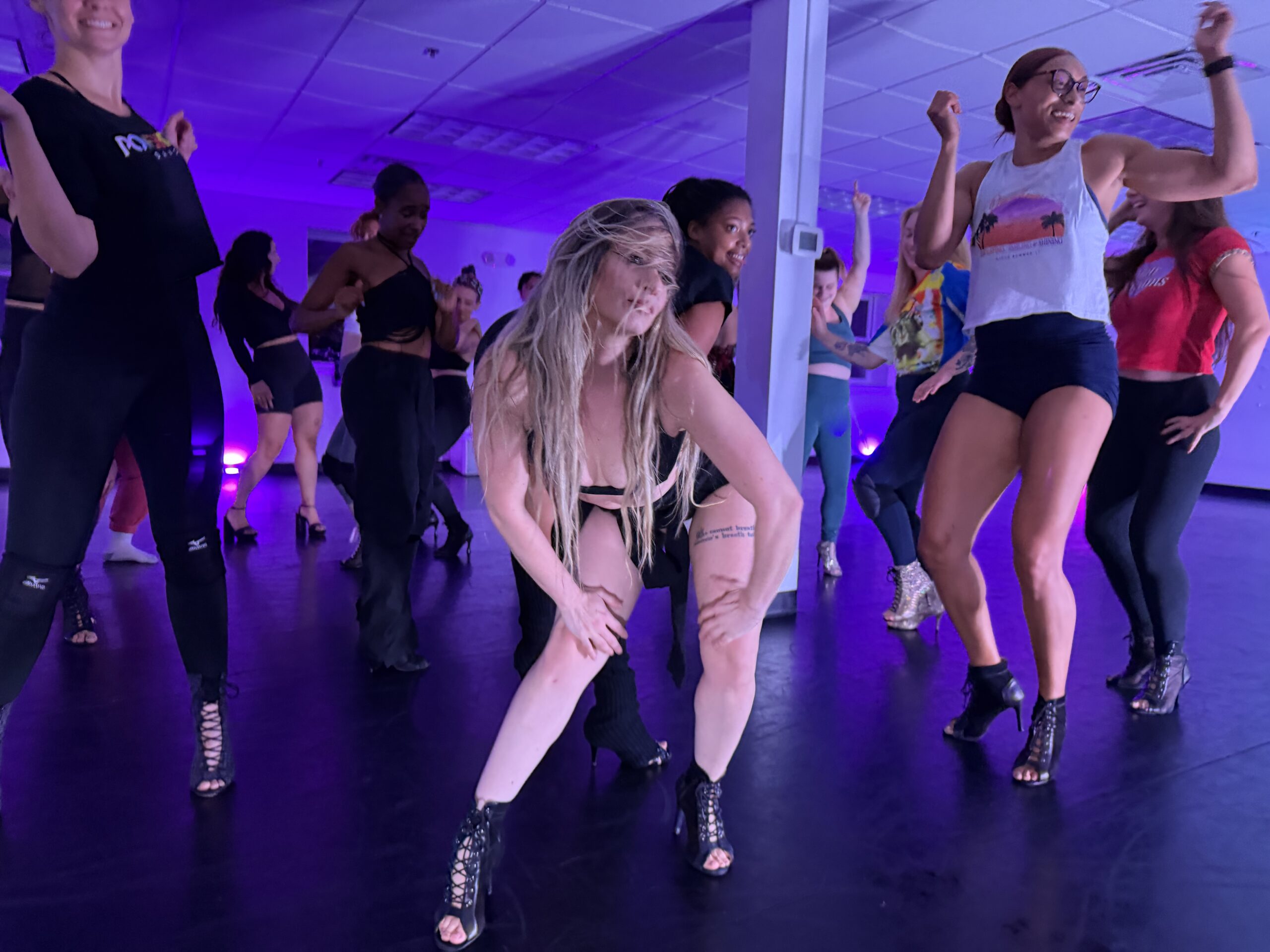
Resolution: to move more. For the past three years, I’ve been a PhD student in dance at Temple University, so I have taken class there from some amazing artists, both permanent and adjunct faculty. Because my fellowship ends soon, I thought January would be an excellent month to investigate other class venues in Philadelphia. I had several limitations: Christmas with three children left me little extra pocket money, my primary care-giving and dissertation duties eat a good deal of my time, an Achilles rupture and meniscus injury limit the types of movement I can perform (no high impact, few jumps). Despite those caveats, I attended three classes in three locations I had never frequented before. I found them on the DanceUP calendar—a handy guide for the breadth of regular offerings and special workshops available in the Philly dance community.
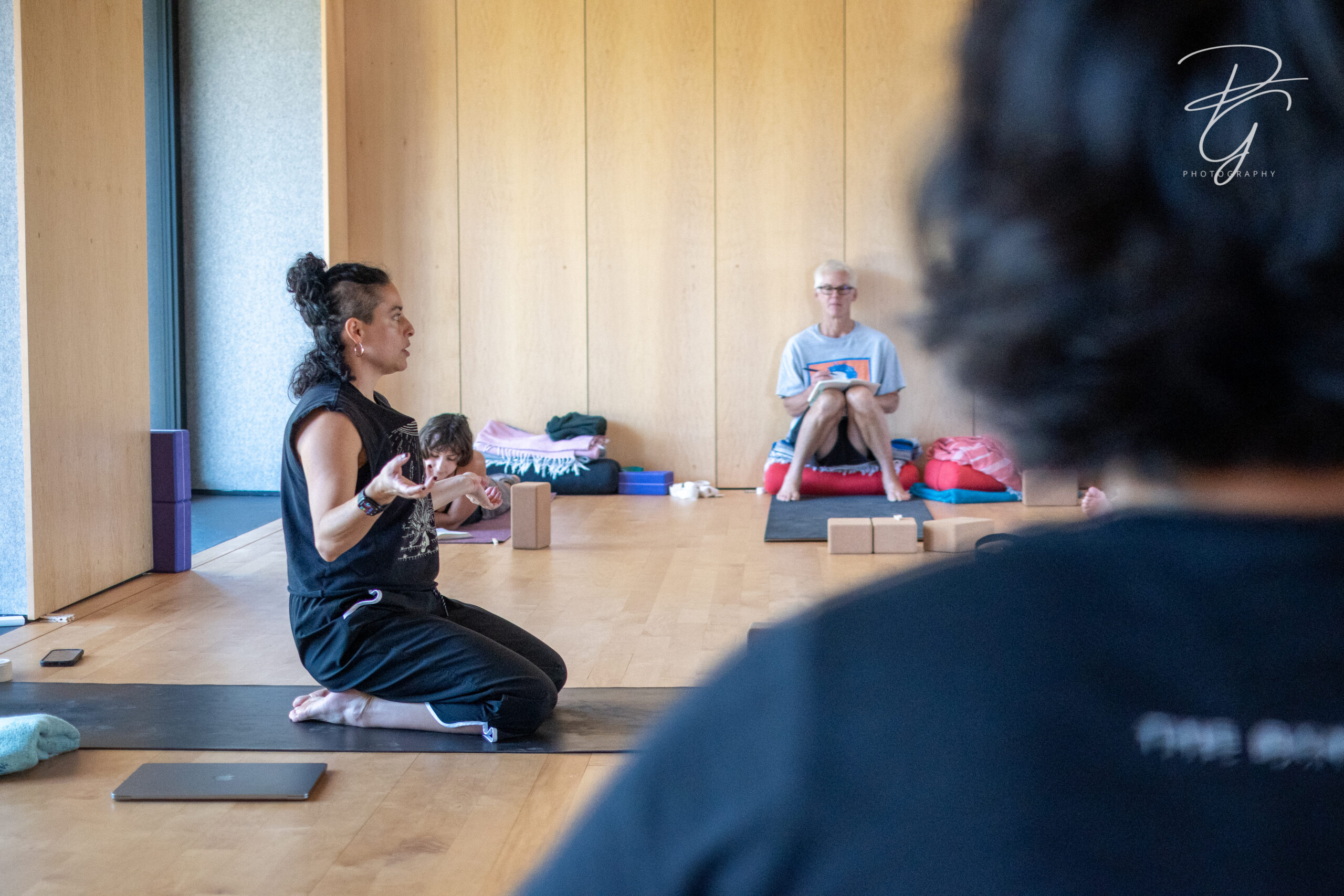
I began with an improv investigation guided by Ishmael Houston-Jones. This Falls Bridge offering, organized by Nicole Bindler and Curt Haworth, spanned a single week and was free and open to the public. Located centrally at 1401 Walnut, it was an excellent first choice. Worried about the havoc an autumn of neglect had wrought on my body, I felt apprehensive. I needn’t have. A few dancers I knew greeted me when I came in, and Houston-Jones’s style of improv proved both careful and luxuriant; three separate exercises filled the two-hour afternoon timeslot, with meaty discussions after each. Two partnering explorations and a trio allowed me to connect with four other dancers on a level that promoted community, somatic awareness, and an attention to the sensory world (not just sight, but sound and touch and smell) that made me hungry for a next class.
I stopped next at Chi Movement Center. Kun-Yang Lin dancer Jessica Warchal-King teaches a 45-minute open ballet barre on Friday and Saturday mornings for a mere $5. The barre, well-crafted, was also gentle and loose, with an emphasis on dancers doing what they need to warm their bodies on a cold winter morning. Warchal-King encouraged the use of more contemporary, fluid upper body motions during certain exercises, so that by the end of the hour my spine felt as articulate as my feet. Afterwards, I bought myself a strong cup of coffee to complete the perfection of my weekend morning for less than ten dollars.
Ellie Goudie-Averill’s Wednesday modern dance class at PARD (a two-hour bargain at only $8), began on the ground. She used undulating rhythms to eventually move the dancers in and out of the floor with organic precision. This Limon-based class clearly progressed from a concentration on the core outward, always using grounded momentum to propel the body to its next site. Goudie-Averill teaches with patience, enthusiasm, and generosity. Her encouragement fell on grateful ears. By the end of the evening, an across-the-floor jump series made me congratulate myself for not making this my first class after a semi-lengthy hiatus. I survived and felt as if I’d done something good—for my body, yes, but I’d moved beyond my routine as well.
I neglect my physical practice when my world grows hectic. I shouldn’t. When I manage to get up from the computer, I usually head to yoga or ballet because of my familiarity with their progressions. However, my recent excursions reminded me how much pleasure comes from the unexpected, in opening the mind as well as the hips and the soles of the feet. On my list for the next week or two, I’ve penciled in a contact improv jam at PARD, West African at Studio34, and modern jazz at Koresh.
Resolution next: to move more and further from my comfort zone.