The recent show at AUX performance space at Vox Populi, Subject Worthy, marked the completion of NYC based artist/writer Marissa Perel’s tenure as Curatorial Fellow for the space. In an interview, Perel commented on new insights that have emerged for her from curating this series: “One interesting thing about the through-line of the work I’m curating is that most of the artists are queer. Queerness is part of their compositional model. This speaks to some idea of ‘queer futurity’ in the world of art and the world at large that I am seeking to envision: how politics and aesthetics become historically intertwined and lead to conscious and unconscious choices, desires, and modes of production. What is collective, what is selective, where is there rebellion from or fusion with historical precedence of queerness? Can these patterns be traced in the work or are they simply personal? I’m thinking about queerness not only as related to sexuality and gender identity, but including many forms of variance and difference.”
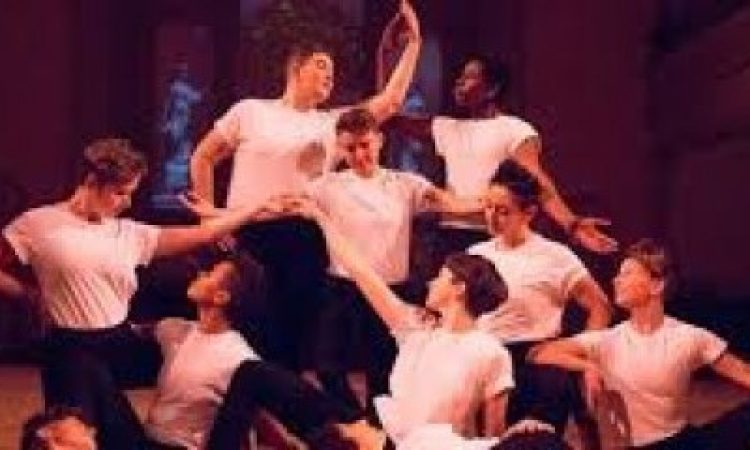
This finely-tuned thoughtfulness permeated the evening’s events. Katy Pyle, of Ballez Company, showed an exerpt from their version of the classical ballet The Firebird along with a short section of film-maker Cat Tyc’s documentary about them. Ballez explores the classical model through deconstruction of gender roles and body types, aiming at an egalitarian, community based experience in ballet.
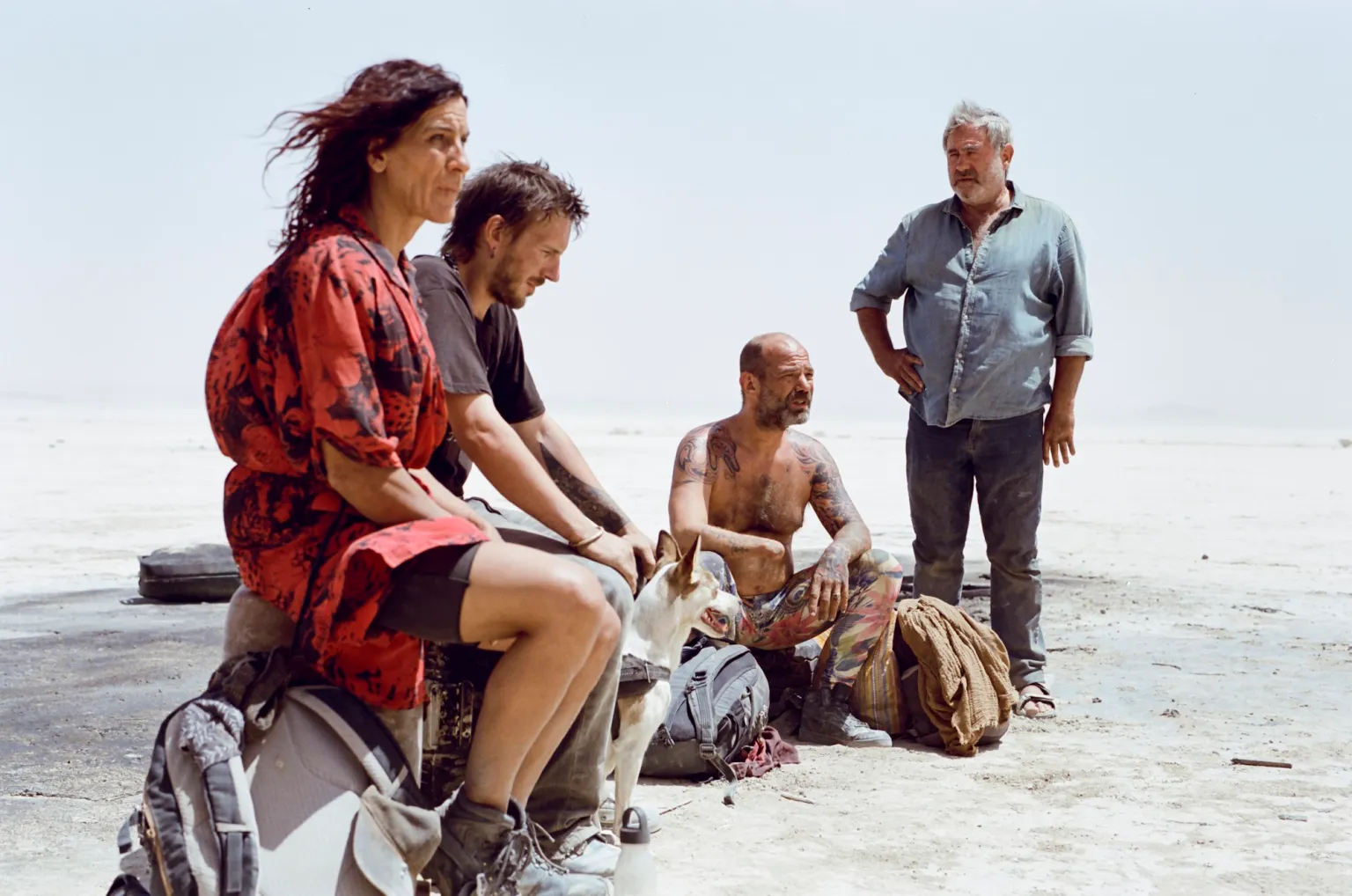
Film maker J. Makary shared an excerpt of her work-in-progress, Sungs Pilgrims, the story of Colonial historical re-enactors of non-Anglo heritage and their negotiation and understanding of their roles.
The panel discussion afterwards adroitly addressed issues around otherness, ownership of personal stories, finding the self within a classical model, etc. Along with Perel, Makary and Tyc the panel included:
Jumatatu Poe – Philadelphia-based choreographer and dance professor
Jules Skloot – dancer with Katy Pyle’s Ballez troupe, the lead dancer of the “Firebird”
Cat Tyc – documentary film maker who screened an excerpt of her work-in-progress of the Ballez documentary
Sam Greenleaf Miller – dancer in the Ballez troupe
Tara Willis – New York based scholar and dancer, Ph.D. candidate at NYU in Performance Studies
Random quotes/threads from the discussion:
Finding beauty in the way our bodies fail expectation
“un-packing” experience
Expanding on what is already known and making it our own
Not feeling entitled to be in the ballet class space, I don’t look like I should
If it is not “your” story to tell, how do you navigate that? i.e., telling stories of characters from different ethnic background or other difference
Subject Worthy: Katy Pyle and J. Makary at AUX, Vox Populi, December 14.
More on curator Marissa Perel’s work at AUX is here.