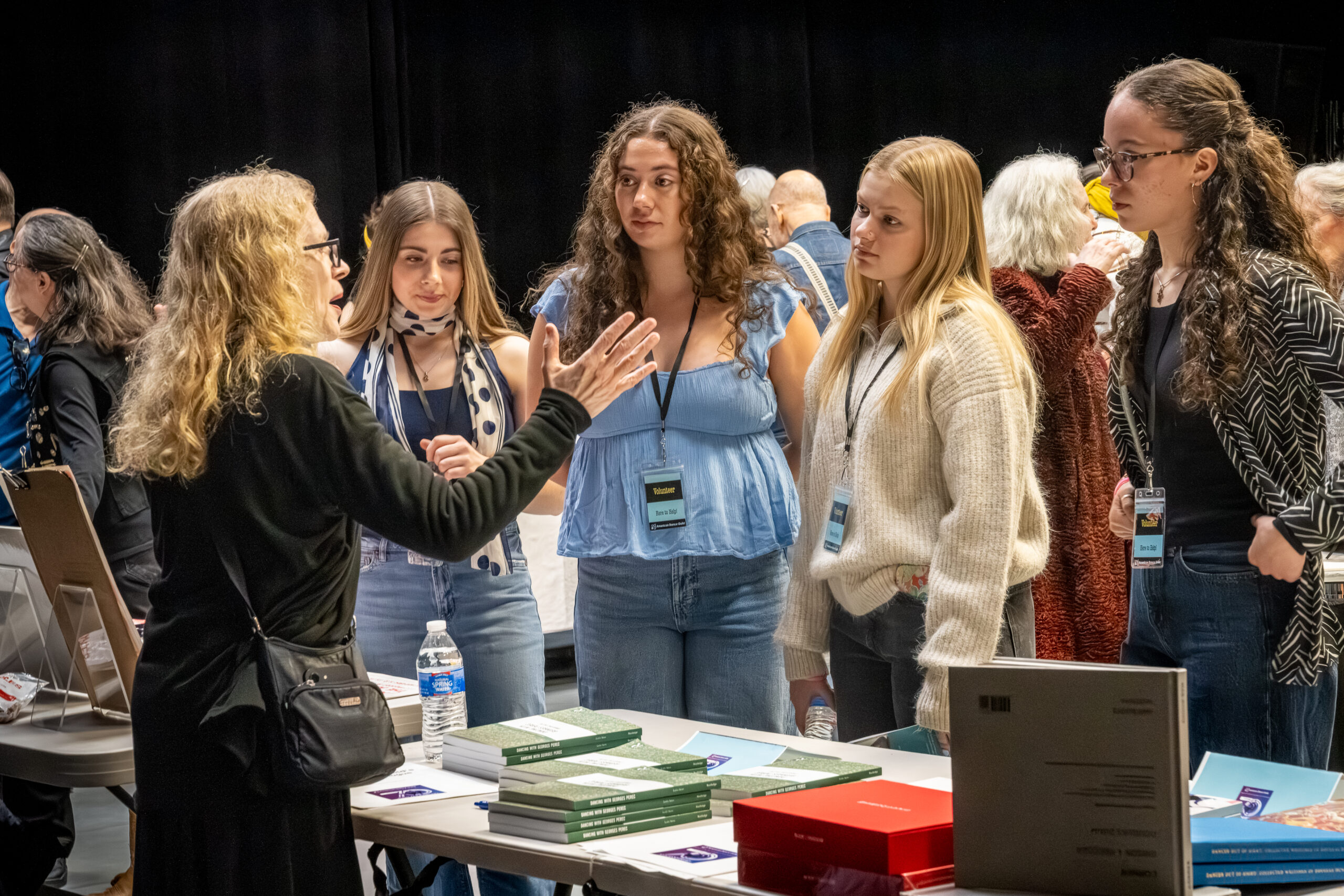
I was excited, but also anxious. This year was my 5th time attending the Dance/USA annual conference, and I approached it the same way you might anticipate seeing a charming but volatile ex. It could be a great time for everyone, or it might be a disaster, causing you to question both your past choices and your current life path, and wondering if you ever really had anything in common. In the past I’d left the conference either feeling invigorated and optimistic, or depressed and drained, or vacillating wildly between the two.
Dance/USA is the national service organization for professional non-commercial dance, and the annual gathering is one of their main activities. The host city rotates each year and 400 people gathered in Minneapolis to attend this time around. Philadelphia was represented by the powerhouse Dance/UP staff, who presented the Dance in Public Places initiative, BalletX, who took part in the Engaging Dance Audiences track of the conference, and Terry Fox of Philadelphia Dance Projects. I attended as a representative of the American Dance Institute, a presenter based just outside of Washington, DC.
Much of my own optimism or despair around the organization and its gathering hinges on issues of equality, diversity, and inclusivity, particularly in regards to race. Ever since the issue of race in the field exploded at the closing plenary of the San Francisco conference two years ago, Dance/USA Executive Director Amy Fitterer has seemed to be making a concerted effort to listen and to act, and to tackle the challenge of re-orienting an organization that was founded by large, mostly white ballet companies into something more inclusive and representative of the field as a whole. I appreciate her genuine openness to critical voices, and this as much as anything gives me hope for the organization’s future.
While the conference attendees were mostly white again this year, there does seem to be substantial dialogue and education bubbling up both in formal, planned sessions and among colleagues even if the kingmakers are not in the room for those conversations, as one participant noted. This is a welcome change. My impression the first couple of years I attended the conference was that race was the elephant in the room, noticed but rarely acknowledged. Danielle Currica of Dance/UP noticed the difference as well: “This year, I was surprised by the number of young artists and admins: POC and Queer persons working in the field speaking, engaging, and not being afraid to bring to light many of the issues within the business of dance.”
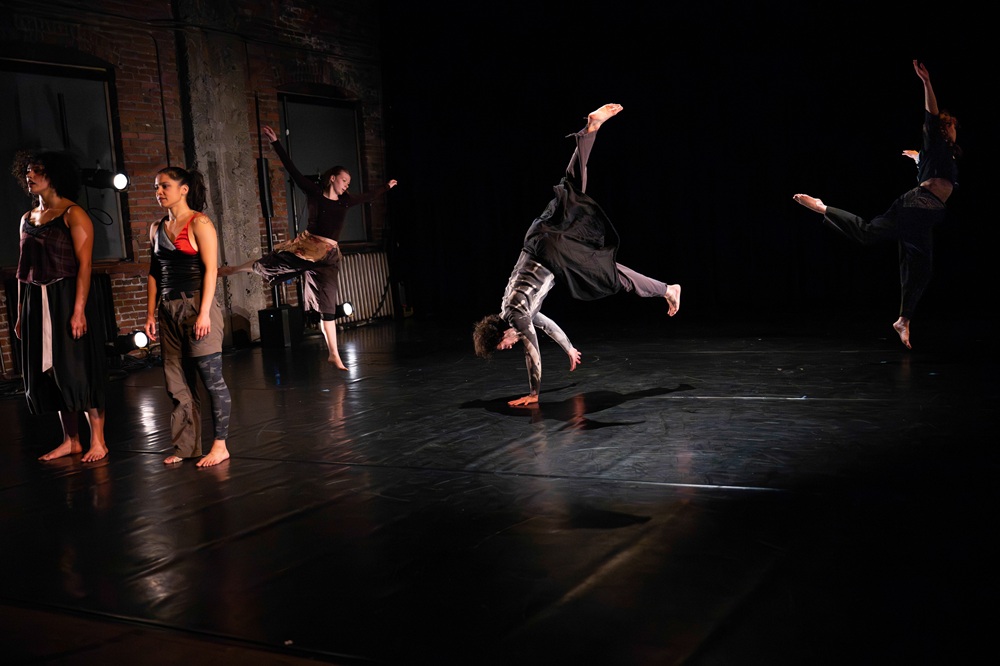
One aspect I’ve always enjoyed about the conference is that it feels like a window into the dance scene of a particular community. This year this was particularly true thanks to a whopping four showcases of current work made locally. What’s shaking in Minneapolis? Wild surreality courtesy of HIJACK, Ananya Dance Theater’s all-female ferocity, haunting subtlety from Chris Schlichting, hip hop dancers performing in burqas from Amirah Sackett, and so much more. I was also taken with BodyCartography’s The Empaths, with the first part consisting of a 12-minute one-on-one experience with a dancer, and the second part bursting out of the seams of a more traditional theater setting. The Minneapolis dance community has much in common with the Philadelphia scene. There’s a great diversity of work being created, choreographers seemed supportive of and interested in each other’s work, and there was a marked friendliness and warmth emanating from the Minneapolis artists that I met. (There were 50 scholarships for local artists to attend, so they were a sizable contingent at the conference.)
Dance visionary Liz Lerman received an award and highlighted the importance of long-term relationships in the field in her acceptance speech. “There are no inoculations from failure, not even the MacArthur award, except the people who believe in you and will stay with you.” Fostering these relationships seems to me the most valuable part of the conference endeavor. I didn’t see everyone I hoped to this year, but did get to connect with old friends, and found new, lovely people to click with. Every few weeks I’m reminded of how relational our field is, how much depends on face-to-face (or skin-to-skin) contact, or personal relationships, or an intangible quality of presence. As a result of this dependence on live bodies being in a room together, conferences and other gatherings are especially important in our field. Jawole Willa Jo Zollar alluded to this in the closing session, pointing out that connection is what people want dance does that!
I didn’t actually get to see Zollar make that point at the closing plenary because I had to make an earlier flight, but this year’s conference featured an app that allowed me to read about it as it was happening. Surprisingly useful and substantial, the app facilitated sharing between participants, a sort of hyper-local and focused Facebook. No one can participate in every conversation, so the app gave a way to be aware of what was going on in other rooms by reading updates from others. People shared photos of tasty margaritas and party pants, quotes from panels or discussions, and questions or critiques that came up. I especially enjoyed discussion contributions from Bonnie Brooks, of Columbia College Chicago, and Jason Tseng, representing Fractured Atlas. I was surprised to find that I appreciated the virtual community, even as the in-person contact felt rejuvenating–perhaps a lesson about false dichotomies. The app felt like a vital, new layer of commentary, and also gave hope that Dance/USA can be a home for real dialogue and real movement forward.
Dance/USA conference, Minneapolis, June 18-21.