Curtaining the exterior of The Philadelphia International Airport is an 85,000-square-foot kaleidoscope of images, a photo installation conceived by a team of muralists and designed and photographed by artist Jacques-Jean Tiziou. Named one of the 50 best public art projects by the 2012 Public Art Network Year in Review by Americans for the Arts, the How Philly Moves mural vibrantly displays the images of 26 dancing Philadelphians on the parking garages of the airport. Commissioned by the City of Philadelphia Mural Arts Program, How Philly Moves is a visual greeting upon entering the city and a picturesque goodbye as you leave. Completed in 2012, the airport mural celebrates movement in diverse forms as it cross-pollinates different races, genders, dance genres, ages, and levels of ability.
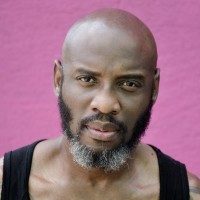
Tiziou’s photo shoot on Friday December 19th, at Christ Church Neighborhood House, was a project aimed at continuing to showcase how Philly moves. A casting call for the How Philly Moves project invited applications from anyone who self-identifies as a Philadelphian and loves to dance. Tiziou was careful to select, at random, a wide range of movers. Trained and untrained, old and young, tall and short, gay and straight, black and white, male and female, skinny and fat, abled and disabled; all were welcomed. This collage of differences brought together the social, cultural, and professional practices of movers ranging in age from 2 to 85 and from varied socio-economic and cultural backgrounds.
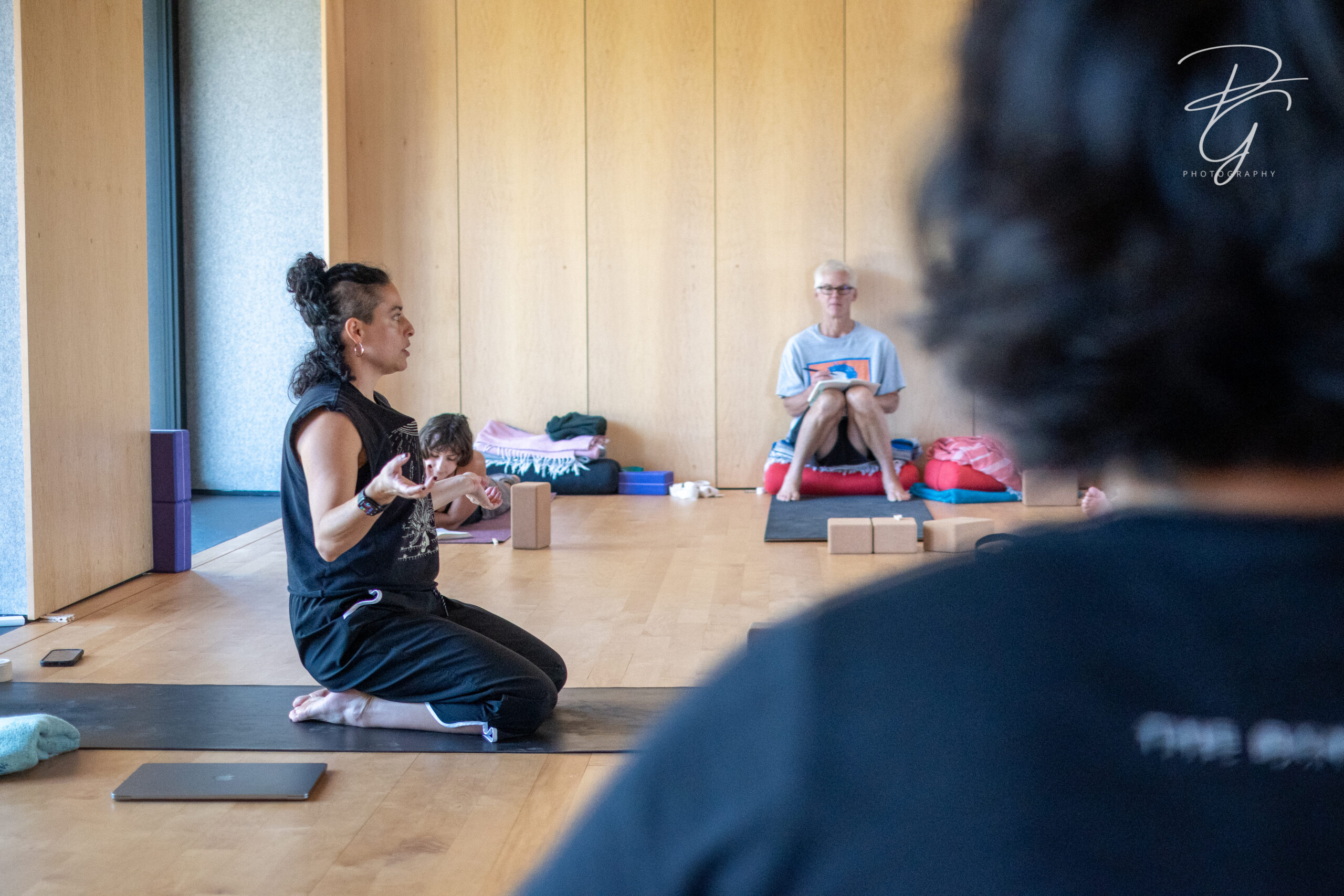
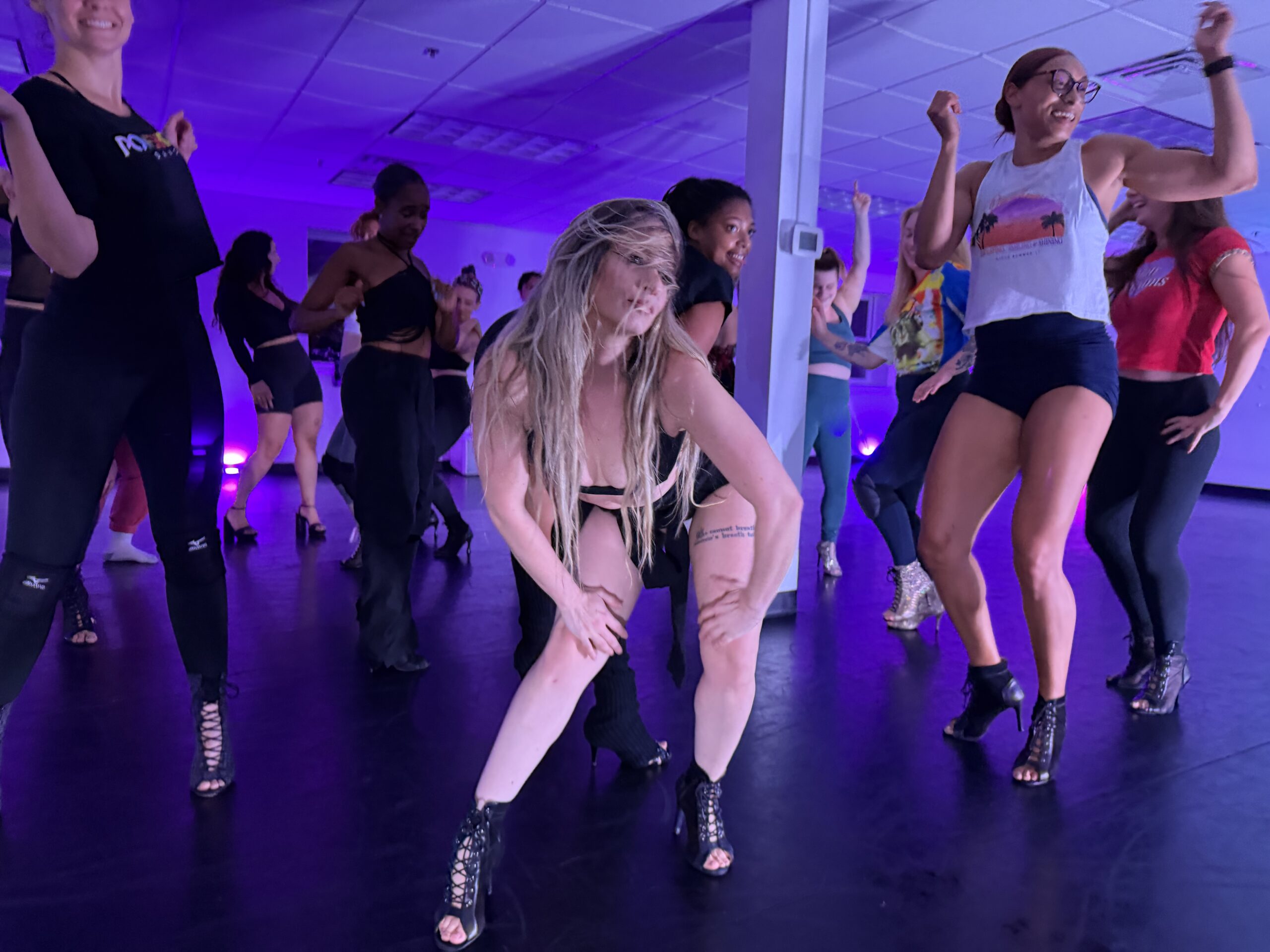
During a well-choreographed day of checking in, photo shoots and exit interviews, participants used their allotted 10 minutes to jam to their own music while being photographed by Tiziou. From a high-energy zumba instructor to a hip-hopping father/son duo, the day was a reassuring reminder that movement is a common language spoken with different accents.
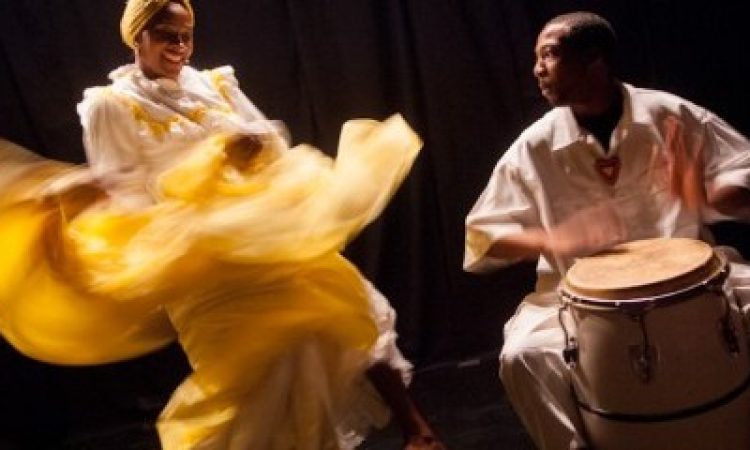
The act of improvising to music from your iPod may be a daunting task for some, but these fearless movers bopped, twirled, shimmied, kicked, thrashed and glided as if they didn’t realize someone was peeking in through their bedroom window. Careful to foster a judgment-free zone, Tiziou, his staff, and volunteers contributed generous verbal support to the dancers being photographed as they used their time to tell their story.
Each story was special, each voice was heard, but a father/daughter duo spoke the loudest. Completely unaware of her role in the scheme her father was plotting, the little girl could not have been older than three. Her father tried his best to make her feel comfortable about dancing with him in a strange space as a stranger clicked away using a strange instrument. She clung to his leg, as if it were the only safe place in the room. He gently freed himself from her tiny arms hoping she would become more comfortable as they were about to dance. She wanted no part of it! He crouched down and for a moment all 6 feet 2 inches of him was at eye level with his daughter, who reached to just above his knees when he was standing. A father/daughter dance played out as a spirited game of follow-the-leader. He moved her arms from side to side and her face reacted to his initiation. She smiled. Then she laughed. In that moment, movement connected them.
Old and young, tall and short, male and female, shy and outgoing, father and daughter.
Dancers performing jazz, mime, acrobatics, contemporary, classical ballet, belly dancing, club dancing, flamenco and salsa were all photographed. The representation of dance in Philadelphia was not monochromatic, but a textured, colorful quilt that was sewn together to better represent the diverse dance world we live in.
So how does Philly move? Multifariously!