The fallen black man
Still.
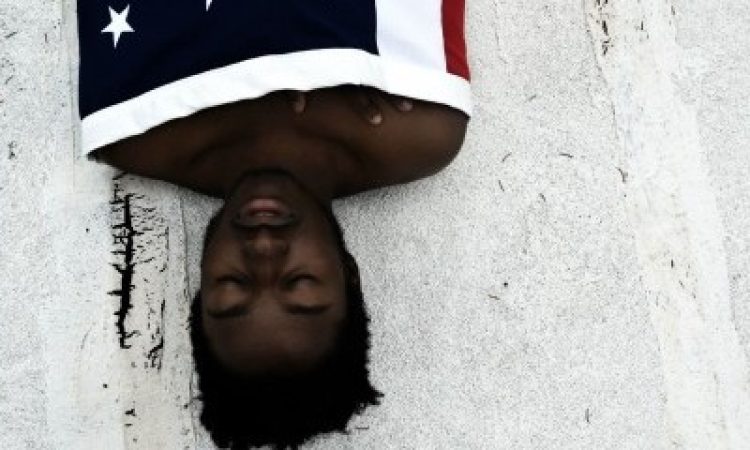
His naked body on display.
Quiet. Dead. Voiceless.
The unarmed black man – lifeless
The targeted black man – silent.
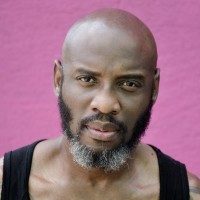
This was the scene, portrayed by Michael Pusey, that welcomed me into the Shiloh Baptist Church to experience Unarmed. I wanted to stare but I was more interested in the circumstances that brought him to such a demise.
He was someone’s brother, son, lover, and friend but his motionless body would never tell those stories.
A fusion of live music, dance and theatre, Unarmed was the brainchild of Arielle Pina and in part, the culmination of a photography project in conjunction with Headlong Performance Institute. A recent graduate of University of the Arts, Pina considers herself a renaissance woman whose artistic research revolves around gender and diversity.
Singer Alexa Byrd and musician Will Colella set the tone by abstractly narrating the show. Byrd had styling of a blues singer with jazz sensibilities, as she sang with tortured conviction while guitarist Colella plucked away at his instrument, strumming each chord as if the guitar was his voice and he had something to say.
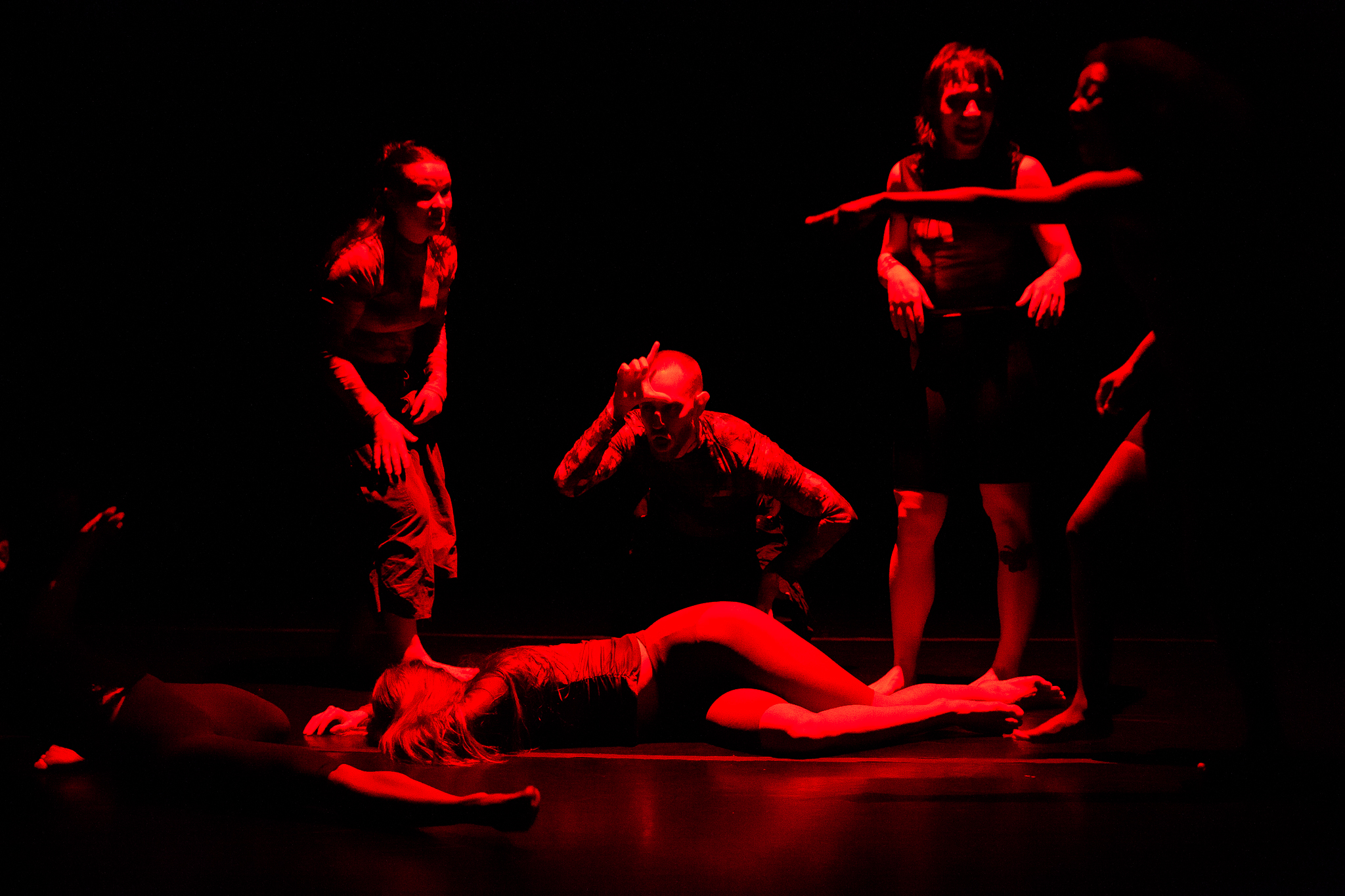
Wearing an aqua leotard, silver shoes and a white hooded vest, dancer Evelyn Langley skittered across the stage before dropping to her knees. Within close proximity to the still, voiceless, lifeless, and quiet black man, her white skin shone. Upon standing, she performed subtle arm phrases before Rebecca Fedele, another female dancer, joined her. A frenzied head shaking session ensued. It was exhaustive.
Langley and Fedele played highly convincing appropriators struggling to find the right radio station while traveling in their car. Displeased with the rock and pop options, their enthusiasm became apparent when a hip–hop station was found . The ladies fell in line with the head bopping, crotch holding, “nigga” shouting references that are sometimes associated with hip–hop, and they appeared naturally at ease with the musical genre, even though they donned white skin.
The body of the fallen black man was eventually lifted and carried offstage by the appropriators who sought to benefit from their love affair with that which does not belong to them. Before he was a fallen black man, he was an unarmed black man. Now he lies as a shell of his former self. Draped in the American flag, his motionless body protected by the symbol of freedom…. a freedom he wished he had known; a freedom he never knew.
Unarmed, Arielle Pina, Shiloh Baptist Church, September 11–12, http://fringearts.com/event/unarmed-2/