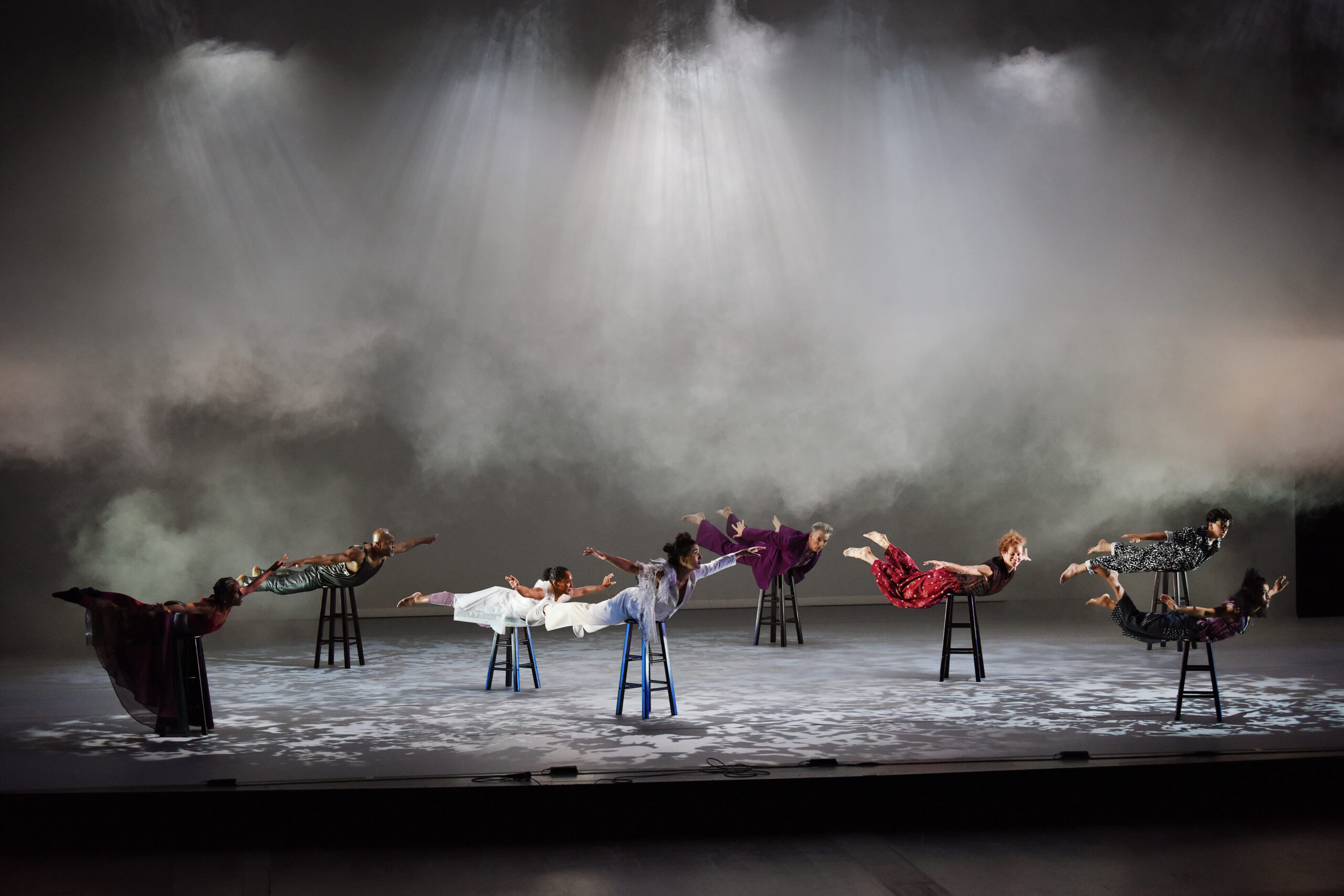
Talking on the phone with movement artist Doug Varone is a kinetic experience, quite like being at the racetrack when your horse stands a chance of winning, or accidentally encountering a significant someone from your long-ago past that you’d never imagined seeing again. Great sensations, whether public or private in nature, permeate the airwaves; I feel like I’m navigating through buoyancy personified. Varone’s voice exudes the same natural dynamism as a performance of his dance company. In a career spanning thirty years of work in concert dance, theater, opera, fashion, film, and movement education, the enthusiasm Varone continues to demonstrate for what he does is delightfully refreshing. You almost get the impression that dance—the work of crafting, researching, listening, watching; all of it—is something he just discovered. However, a cursory glance at Doug Varone’s creative body of work reveals his tried and true prowess at pairing physical virtuosity with a willful embracement of the human condition. This ever-present heartiness fuels Varone’s dances, dancers, and anyone lucky enough to be in the audience and watching.
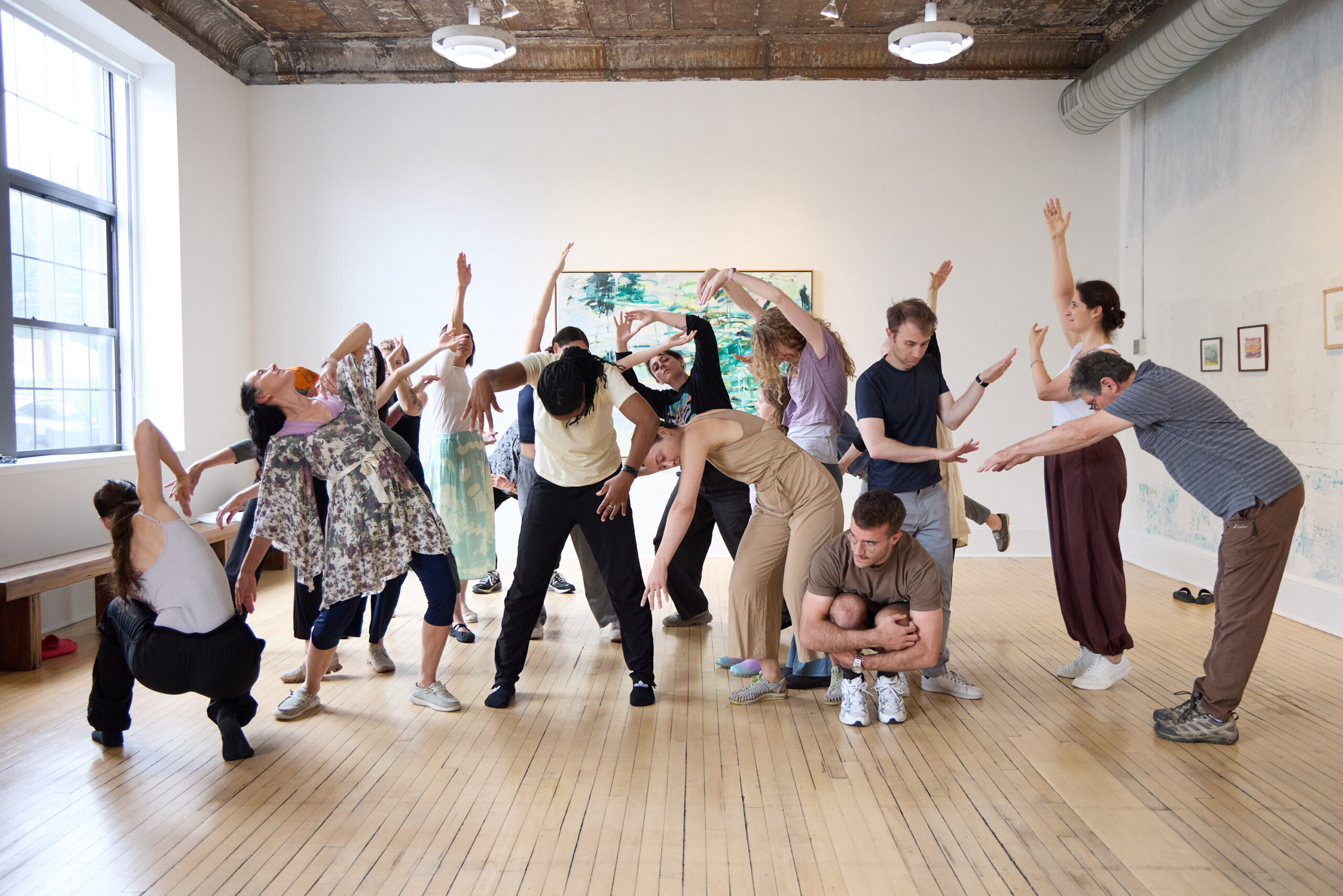
“At the base of all my work is the idea of feeling, of the heart,” Varone agrees. “A difficult task I have to face is finding dancers able to fully embrace physically, intellectually and emotionally the universal themes I strive to express in movement. The dancers I work with range in age from 26 to 40, and the older ones are just as fierce as they were 10 years ago. My company members tend to remain with me for a long time, and I consider myself extremely fortunate to be able to access a full palette of colors that allows me to express the wide panorama of human experience. I need dancers who are technically superior—the work is physically demanding—with the ability to nuance all given material. They use their own life experiences to ‘feed’ both their physical and emotional responses. So I never find myself having to adjust material for my dancers; when I am creating, both the theme and the people I work with inform what emerges.”
In 2014, Doug Varone interrupted an eight-year performance hiatus with the creation of The Fabulist, a solo performed to composer David Lang’s Death Speaks. Here, too, is a work that reveals a lifetime rich in performing, creating, and living life, both actively and reflectively. The piece is all about memory, reflection, and the shifts in self-perception and how we see others as we grow through life’s many stages. The Fabulist “gave me the opportunity to once again get inside my work not only as creator, but from the dancer’s perspective. I had to rediscover my place on stage. Creating and performing the solo helped me discover the things I want and need to continue doing and those I no longer have the patience and desire to tackle.” Because getting to the heart of things and rousing emotion through visual sensation is this prolific artist’s modus operandus, The Fabulist is a work, like most of Varone’s dances, offering various points of entry for the viewer. “I am always amazed, at after-performance talk-backs, to hear the many different interpretations of my pieces; there really is no single, correct way of perceiving or receiving the messages behind or within the movement. Some viewers connect to the actual movement; others relate to what the movement suscitates, and then there are some who connect to the underlying ideas. I consider my work to have great substance. It is personal, yet readable on a universal level. If you’ve been moved in any way by the stories presented, then I’ve succeeded at my job.”
Up next for Doug and slated to premiere in 2018 is a collaboration with screenwriter Eric Simonson and visual projection artist Wendall Harrington. Basing their explorations on “I am a Strange Loop,” author Doug Hofstadter’s 2007 literary text on death, free will, and the concept of being, the three artists are working with the idea of building a silent film onstage. This extension of process and sharing through larger-scale collaboration earmarks Varone’s ever-deepening artistic maturity. We can only ponder upon the myriad ways Strange Loop may take us through movement, sound, and silence—straight to the heart.