One thing is clear at Gunnar Montana’s KINK HAÜS: nobody gives a fuck. In case I didn’t notice that as I stepped over cracked plastic cups, glanced into a bathroom with a passed-out party-goer on the floor holding stilettos, and emerged into a hazy room covered in graffiti, I got the message later. The hour presented cocaine-induced fits of laughter, men in 9-inch heels, and a dildo microphone.
The inspiration for KINK HAÜS initiated in the queer underground of Berlin clubs, where Montana would “explore my inner kinks. People can be scared to show that. They wear suits all day and wanna wear a cocktail dress in the privacy of their home at night. This is a place where misplaced kinks are celebrated.”
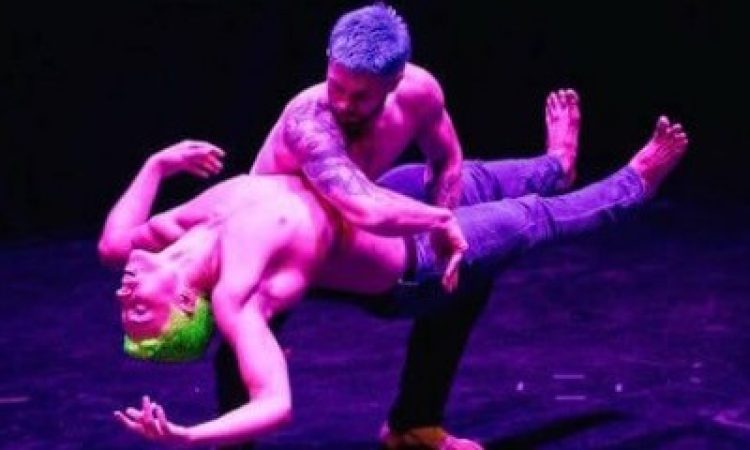
After a haute fashion display, the show moved through a sexy gym scene, a topless dance with a bathtub and chain, and upbeat dance parties. Montana projected himself through different characters, like the youthful boy digging through his mother’s clothes and listening to an instructional tape about being a homosexual male. KINK HAÜS was a permissive place, where he was liberated to expose his life’s vulnerability, doubt, and self-approval.
The evening also utilized universal themes so that viewers of all identities could relate. The male duet, for example, can be about anybody, not exclusively two males.
What was moments earlier a lively blur of thrill and color had become still. One man staggered, searching among sequins and wandering around mannequins. He seemed to be looking for connection where there were now only rigid, impassive bodies.
Though Montana later described this ending scene as abrupt, it provided me deeper insight to the work. The final performer was left unattended, dancing on his own. With a gentle look at the expired party room, he opened a large warehouse door and disappeared beyond it. “It stops there because I haven’t seen past it. This is where I am now.” Montana finds himself in a moment of maturity in his life, closing the door on go-go boxes and drugs.
“Anything goes here. It’s a safe space, a place to feel and laugh and share.” Montana had created an outlet where people felt comfortable shouting joyfully while an oiled body gyrated, to find humor in taboo content, to brazenly watch someone else’s intimate moment. For the enthusiastic Montana, there was more here than shamelessness. There was pride—for reclaiming once debilitating labels, for relating to others through his own struggles, for creating a space where “nobody gives a fuck” and unconditional acceptance thrives.
KINK HAÜS, Gunnar Montana, The Latvian Society, September 5-10, 13-18, 20-24, http://fringearts.com/event/kink-haus/