Stepping: a full-bodied percussive dance form rooted in the schoolyard song and dance rituals practiced by historically African American fraternities and sororities. Or, since we now live in a post-Homecoming world, the style of dance featured in the “suck on my balls” moment. (If you haven’t been tempted yet to watch Beyonce’s latest Netflix special, which showcases the creation and execution of her 2018 Coachella performance, you may be missing out on this particular reference.)
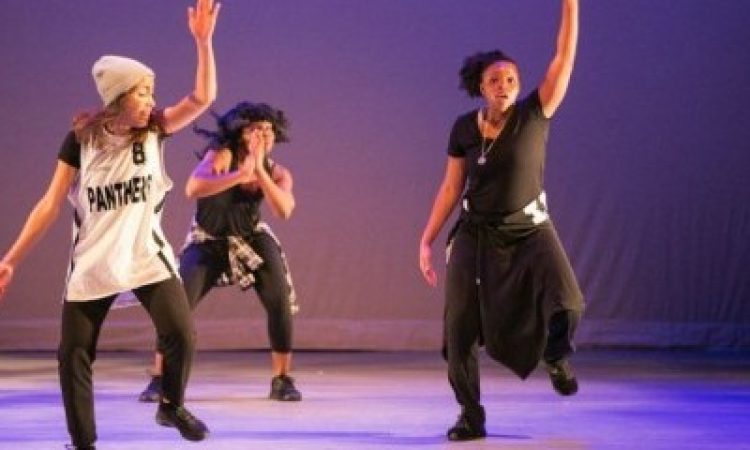
I’m spending my Sunday afternoon in a basement auditorium in the Free Library of Philadelphia alongside families and kids of all ages, gathered to watch the New York City-based company Soul Steps. Their offering is part Stepping performance, part family-friendly history lesson. Maxine Lyle, the founder of the troupe, begins by describing what their dance is not: unlike Irish stepping or other Western traditions, this art form involves making music with the whole body, not just the lower half. As they stomp, clap, and slap their chests in intricate but familiar rhythms, the movements’ resemblance to other forms crashes forth. The formations and heavy-footedness strut toward the militaristic, the chest hits and claps echo secret handshakes from the playground, and the call-and-responses of the dancers (“Break it down, now!”) conjure the enthusiastic spirit of the hip-hop cypher. The two-year-old next to me fixes her gaze on the dancers as her hands haphazardly clap and pat her thighs in response.
Perhaps because many audience members are antsy children, or perhaps because experience is a powerful educator, the Soul Steps dancers soon have us up on our feet following their lead. We start simply—clap! clap!—until we are mimicking a basic beat: clap! chest, leg slap, stomp, clap! Lyle explains that while stepping has its origins in the 1900’s at HBCUs, some see its roots as going even deeper, starting in South African goldmines. Workers in the mines utilized stomping and slapping their gumboots for the dual purpose of communication and making fun of the officers and guards overseeing their work. After a gumboot dance demonstration, the Soul Steps dancers close out the show with upbeat hip-hop solos and a quick recall session. “What are these boots called again?” “Gumboots!” “What country are they from again?” “South Africa!”
If Soul Steps’ goal was full-bodied audience education, I consider the task accomplished. By now many of the kids are popping out of their seats and dancing in the front row. I exit the auditorium and head toward the a-rhythmic noise of Parkway traffic.
Sundays on Stage: Soul Steps, Soul Steps, Montgomery Auditorium at the Parkway Central Library, April 28.