TikVAH, celebrating the Koresh Dance Company’s 30th anniversary, is the perfect name for a work of art created during the pandemic. Taken from Petah Tikvah, the city in Israel where founder and artistic director Ronen (Roni) Koresh was born, TikVAH means “opening for hope” in Hebrew. Due to COVID-19, Koresh said during an audience Q&A, the meaning of hope “took on a whole new level of understanding.”
Those waiting inside the Suzanne Roberts Theatre for TikVAH to begin were greeted by a trio of films also produced in the past year by Koresh, including The Elephant Is in the Room, his visceral response to hate crimes. Another pre-program surprise was a commanding performance by members of the Koresh Youth Ensemble, ages 13-18.
Koresh told the audience that isolation, fear and loneliness are words he uses to describe the experience of the pandemic as portrayed in TikVAH. I would add angst, frustration, and grief to the list.
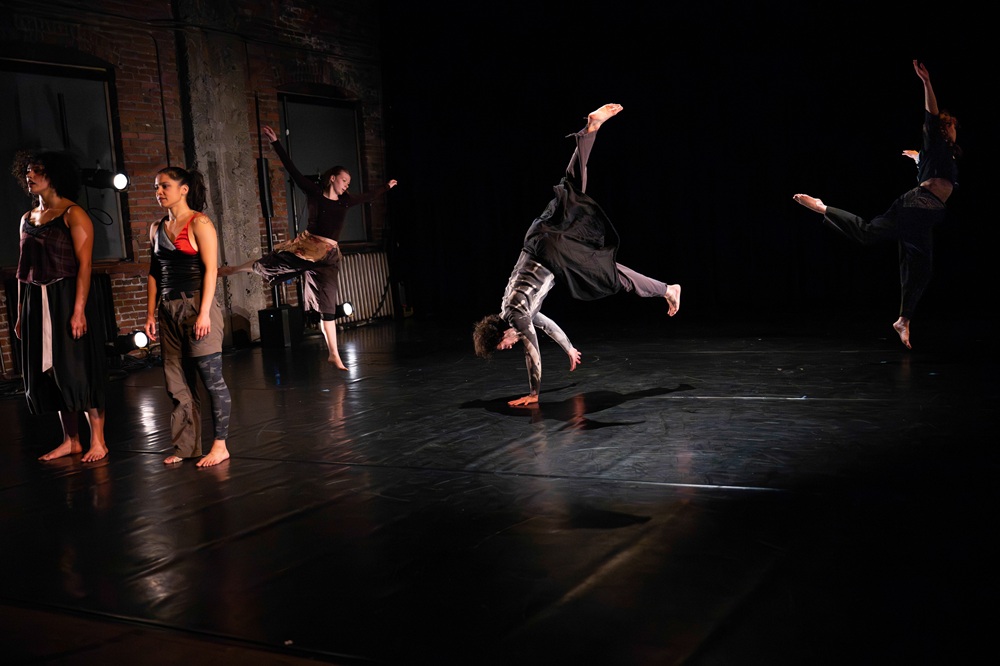
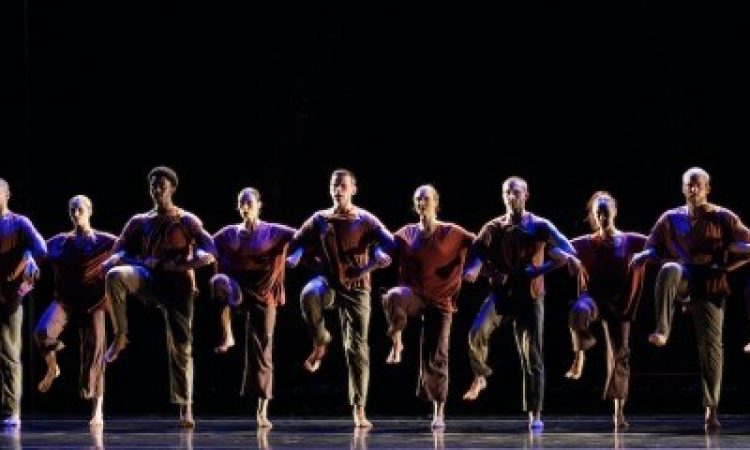
Watching the dancers onstage, I was reliving the lockdown: the choreography, at times gut-wrenching to watch, with dancers’ lifeless bodies falling to the floor. The costumes, like my own coronavirus “uniform,” drab and loose-fitting. The lighting, similar to how I saw my own quarantined world, is surreal. The music, including sounds reminiscent of a beating heart and ticking clock; and the evocative spoken poetry of Karl Mullen, with repetition of “light at the end of the tunnel” reminding me of the Groundhog Day-like existence of the pandemic.
Known for his collaborations in the dance community, Koresh had invited Yin Yue, artistic director of YY Dance Company, and Raphael Xavier, Philadelphia-based choreographer and alumnus of Rennie Harris Puremovement, to contribute to TikVAH’s artistic process. They held a series of workshops with the dancers, encouraging them to look at movement from different perspectives.
Melissa Rector, who has been with the company since its inception, captivated me in Sideways. The choreography illuminates how our lives were turned sideways during lockdown. Rector has a love-hate relationship with her dance partner, a wooden chair. I can relate; on more than one occasion during Zoom classes my dance partner was a broom. Reminding me of how many of us tried to put a new spin on the day-in, day-out sameness of the pandemic, Rector turns the chair this way and that. In the end, both the chair and Rector are on their sides spooning, a testament to the loneliness of lockdown.
In another piece, the dancers again use chairs, but this time I was disappointed. Here, the chairs are merely props, not partners.
The second half of the show was the light at the end of the tunnel for me, offering much-needed comic relief. Titled “first thirty,” these selections were chosen from the company’s first 30 years. From the plaid-skirted schoolgirls to the clowning, stumbling-down-drunks (although not very PC by today’s standards) complete with burp and hiccups, I was thoroughly entertained.
The evening was sprinkled with informal conversations between Koresh and the audience. Earlier, speaking of the pandemic-influenced pieces we were about to see, he shared: “This was never intended to be shown. It was for us.”
TikVAH was as much about celebrating live dance performance as it was about celebrating Koresh Dance Company’s 30th anniversary.
TikVAH, Koresh Dance Company, Suzanne Roberts Theatre, Oct. 21–24