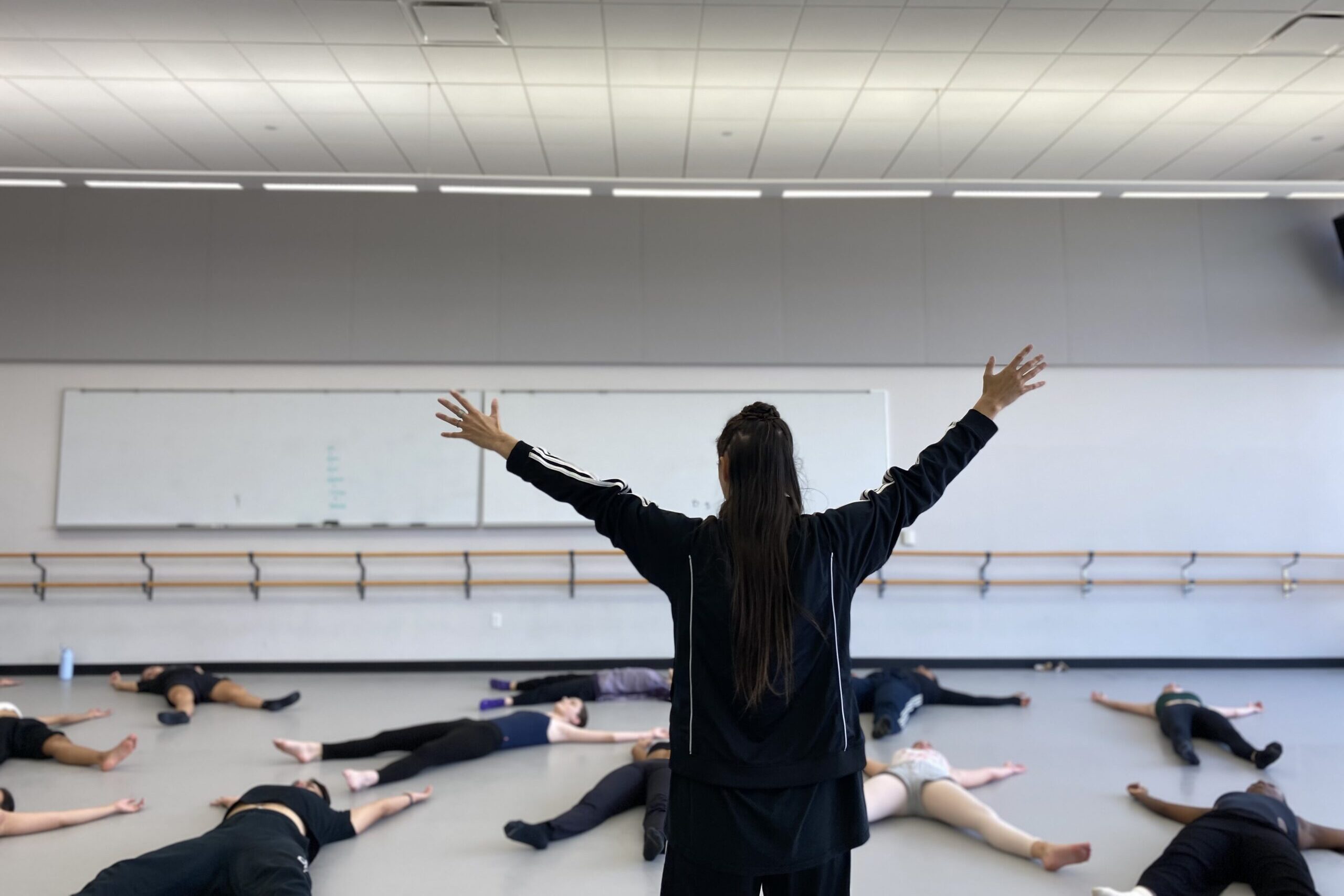
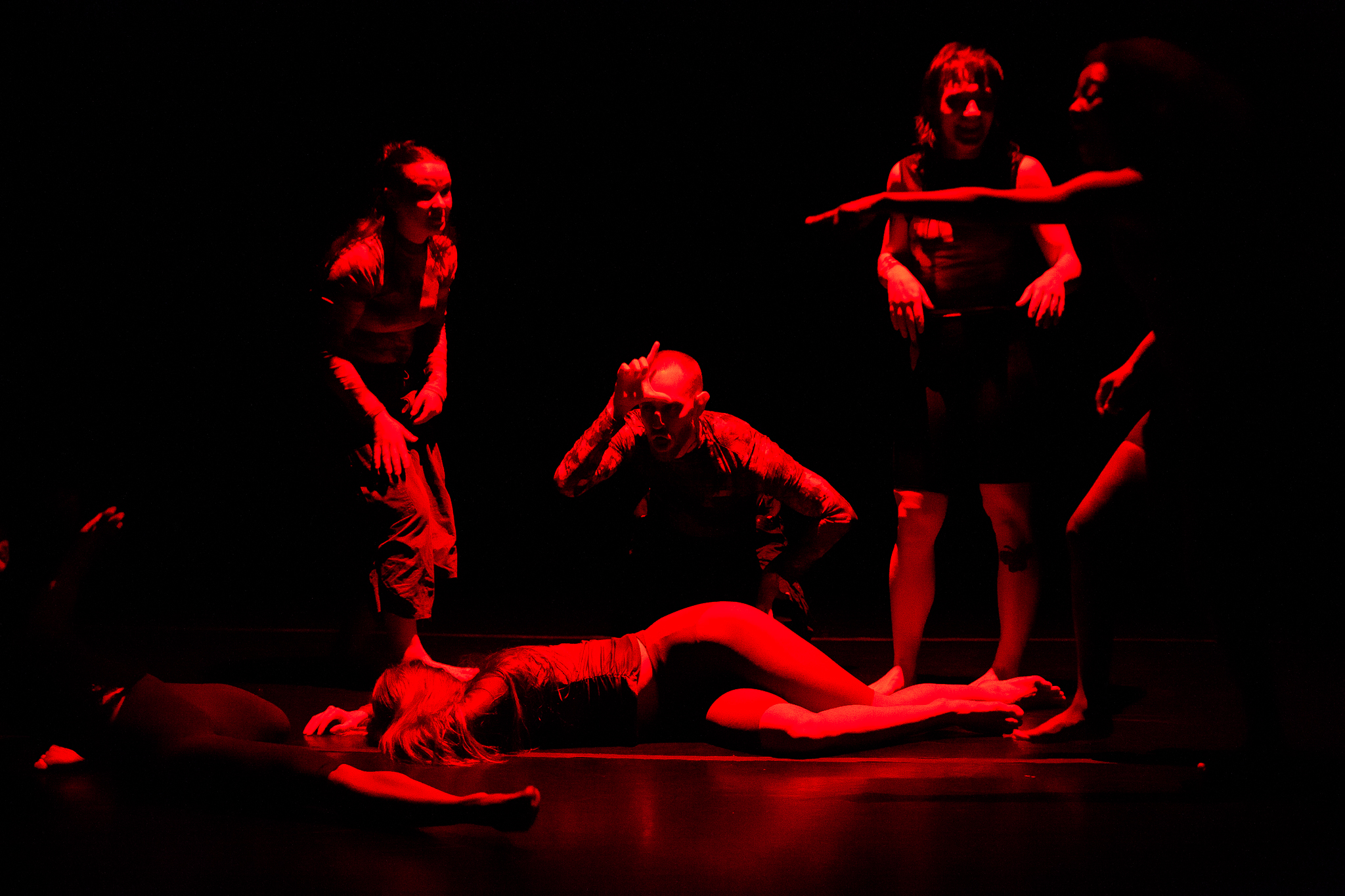
The UArts closure affected, and is affecting, every arts program in the United states.
After the initial shock wore off about UArts’ final chapter, confusion and questions arose for many Philadelphians, Pennsylvanians, and artists across the country. We know the story by now: with less than one week’s notice, the campus collapsed. But where are the students now? What are the immediate and long-term effects on the students – the lifeblood of any institution?
Many first reactions were toward undergraduates and graduates; an outpouring of shock, anger, and anxiety spread across social media and on the steps of Broad Street. The ages of those affected ranged significantly: twenty-somethings about to enter their senior year, teenagers excited to learn who their freshmen roommates were and choose their first classes, and adult artists entering or reentering the workforce, armed with terminal degrees. It’s difficult to wrap your head around the thousands of Philadelphia artists recalibrating their lives at this very moment, and continuing to do so as a new academic year arises.
For Charly Santagado, a soon-to-be MFA graduate in Dance, the news of UArts closing came while she was in Europe, before her semester abroad began. “I do think there’s something so special about what UArts was. I’m devastated it’s not there anymore, and I’m curious how it will continue in different avenues. I’m worried about the state of arts funding, similar to Marymount Manhattan. There’s a lot of juggling and jostling around, happening undercover, with no transparency.”
I contacted other administrators, teachers, and students at the University, and all of them echoed a response: heartbreak. Many requested not to share their experiences, because they were still too raw and painful.
At the bare minimum, students deserved much earlier communication. Their decision to attend UArts was both an investment and a promise: to receive the best education the faculty and administration had to offer.
Students united virtually to navigate next steps and to support each other’s transitions in and away from Philadelphia, offering collaborative partnerships and opportunities. The focus then rippled outward to other higher education institutions offering BFA and MFA degrees, a domino effect, the strum on a strand that affected the whole web, including the temporary forced closure of Pig Iron Theatre Company. We saw the flood of postings, soon after the closure news, offering smooth and fast matriculations and a welcome glimpse into new beginnings on respective campuses.
The fall semester is beginning at Bennington College, where many UArts students will forge a new pathway and home. In spite of the radical changes to their lives, many have persevered in their studies at different institutions, along with many, many steps it takes to move. The resounding sentiment: the students deserved more time.The editorial board at thINKing Dance stands in solidarity with these students, as well as the ones who will face new decisions about their artistic and academic careers.
Late this fall thINKingDANCE will check in with some students, focusing on those who matriculated into Bennington College’s arts programs and their new academic experiences.
*Charly Santagado is currently a writer at thINKingDANCE
Image Descriptions: On a sunny day, a group of graduate students, and faculty huddled close together, smile at the camera. Their body language is loose and relaxed, and they look comfortable with one another.