Experimental Writing

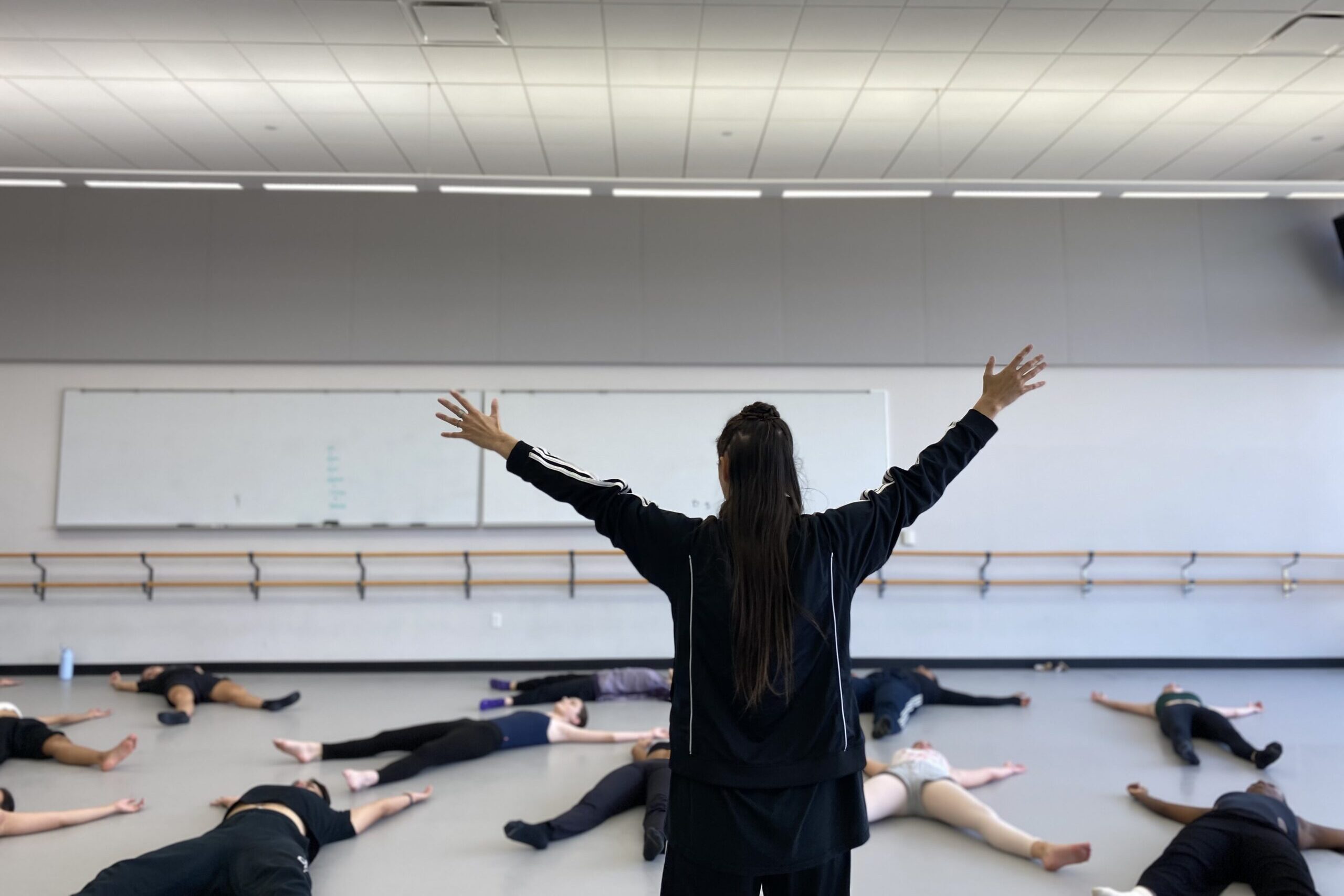
In a dance studio with white walls, a light gray marley floor, and two large whiteboards along the back wall, situated above a double-stacked wooden ballet barre, eleven college students lay supine with their arms raised and legs parted in an “X” shape on the ground. They lay at different angles, breathing deeply, following the instructions of the teacher at the front of the room. The instructor, tD writer Jennifer Passios, faces the students. She wears a black Adidas jacket. Her hair falls in a half-up-half down updo as her arms reach skyward in the same “X” gesture that the students make on the ground.
Photo: Jacob Regan

To You—who I think about all the time:

Jennifer Passios

A letter to my favorite student

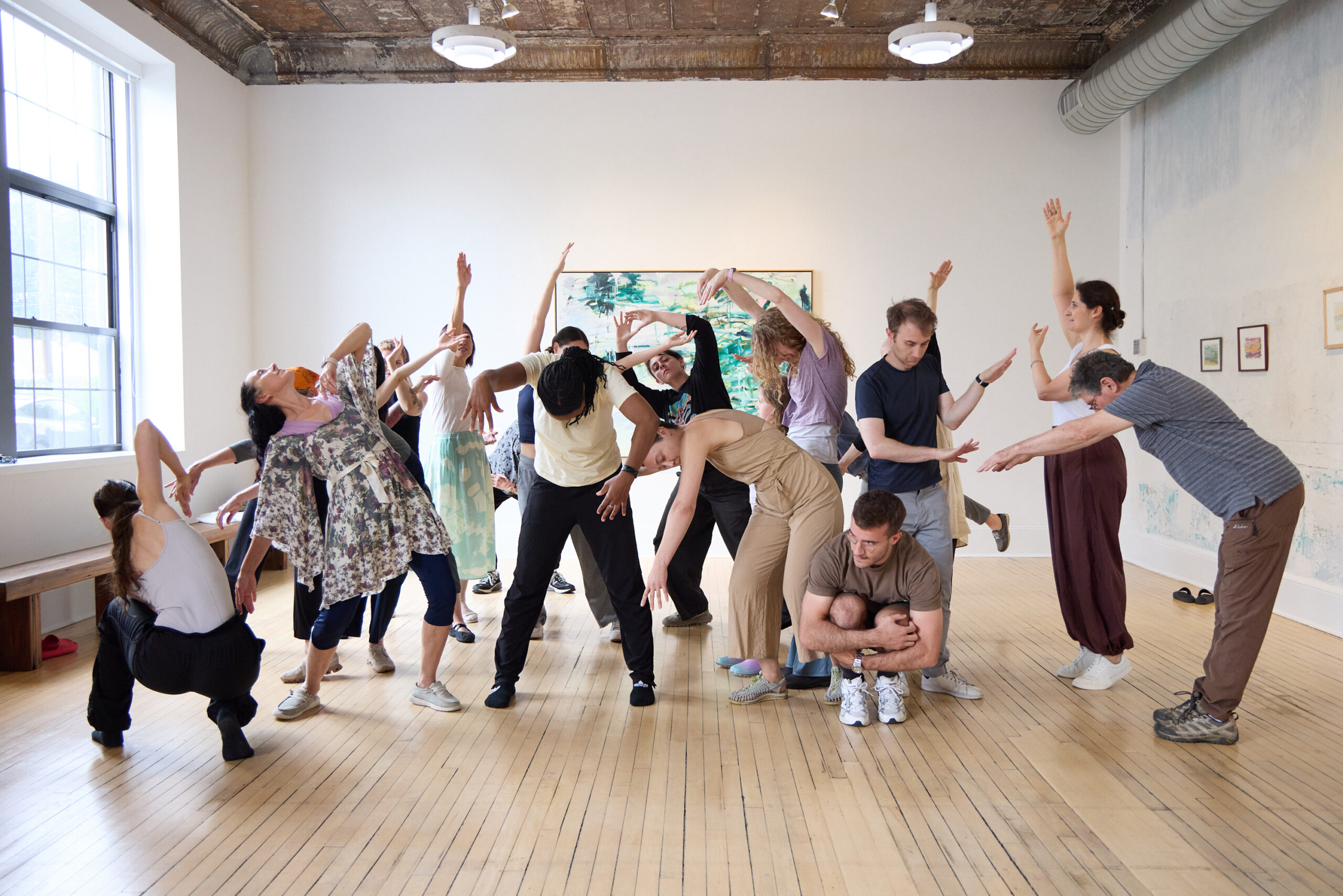
Around 20 workshop participants pose in front of an abstract oil painting in a bright gallery. They are all in different positions inspired by the artwork. Many stretch their arms out and up as if reaching. Some arch their backs or bend forward.
Photo: Chika Kobari, courtesy of KinoSaito

The Four Mothers of Miki Orihara, or Learning Dalcroze’s 20 Gestures with my Daughter

Caedra Scott-Flaherty

Miki Orihara explores early modern dance and mothers in her newest work.

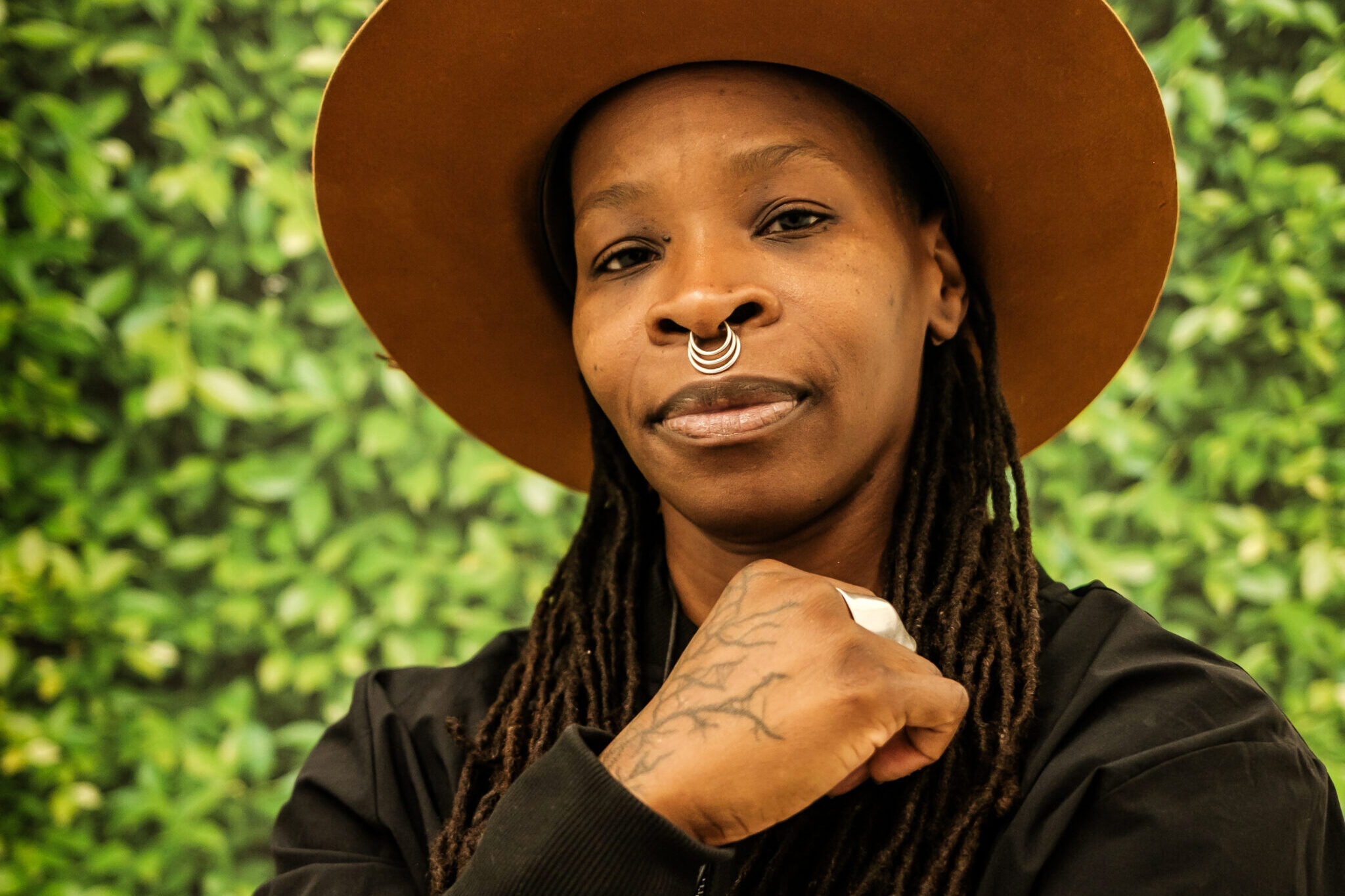
Sage Ni'Ja Whitson, a queer transgender Black person with long black-brown locs faces the camera with a soft, powerful smile. They wear a round-brimmed brown hat, a triple-ringed silver septum piercing, and a black jacket. One hand with vein-like tattoos is held in a loose fist near their sternum, while the other is wrapped loosely around their stomach. They stand in front of a leafy green backdrop.
Photo: Ryan Landell

In Visible Darkness: A Non-binary Book

ankita

Sage Ni’Ja Whitson builds Black trans portals into darkness.