When the curtain rose on Philadanco at the Kimmel Center Friday night, a man stood center stage, alone, with his back to the audience. His fluorescent pink pants and matching shirt popped against the dark bare scrim. The sold-out theater waited in silence until the first notes of Otis Redding’s “Dock of the Bay” sounded over the speakers. The dancer started swinging his hips to the beat, then turned to face the audience and flashed a “Let’s do this!” smile that was to mark the vivacious tone of the evening.
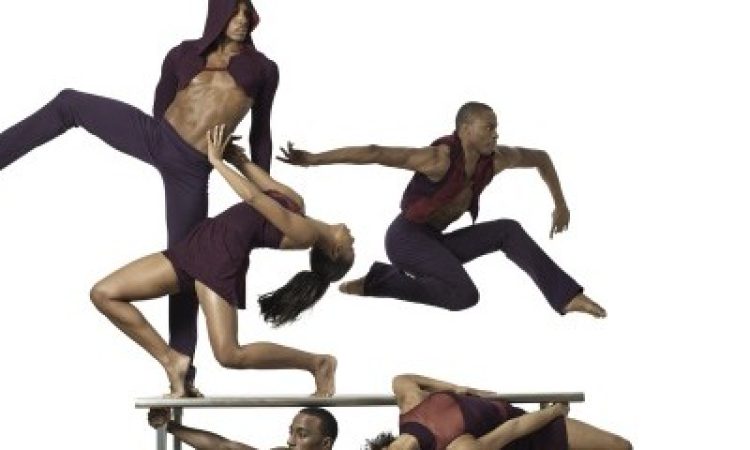
Philadanco (Philadelphia Dance Company) opened its fall home season with Suite Otis (1971), a playful and showy piece set to six Redding songs. A classic in its genre, the work has also been performed by the Alvin Ailey American Dance Theater and Dance Theater of Harlem. Philadanco’s dancers looked at home in George Faison’s choreography, relishing lofty arabesque turns one moment and funky jazz moves the next. Five men found their groove in “I Can’t Turn You Loose” and danced with a cockiness reminiscent of John Travolta in Saturday Night Fever. Their enthusiasm was infectious.
Five ladies then took their turn strutting to “Satisfaction”; Rosita Adamo’s energy and verve set her apart from the ensemble. While the women looked radiant in the simple pink costumes designed by Faison, it seemed strange for them to be wearing Greek sandal type shoes while prancing on half toe as if they were in heels.
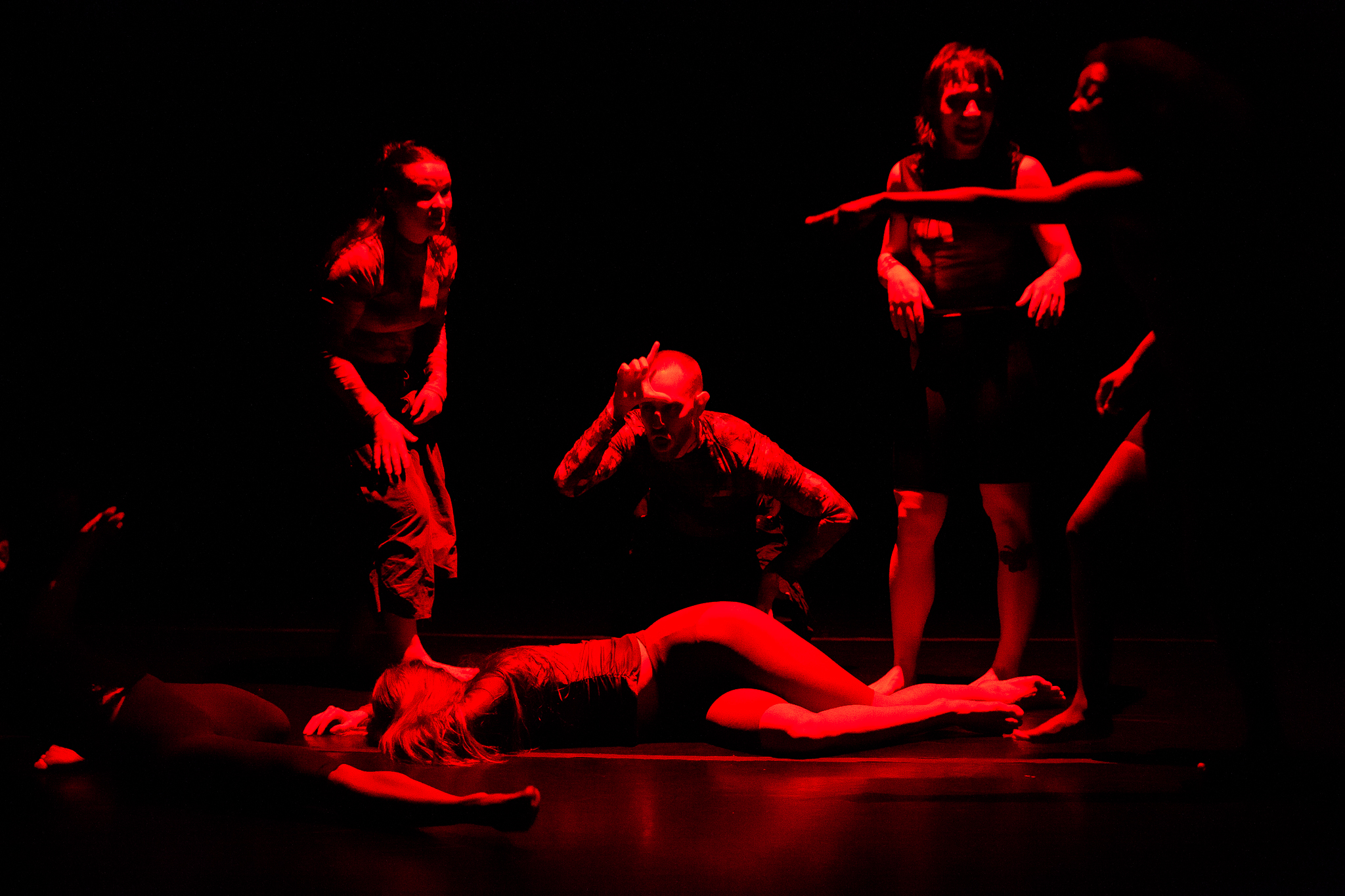
Costuming was an integral part of Watching Go By, the day, a Philadelphia premiere by choreographer Hope Boykin. Dancers began by sleeping on the floor in various undergarments and slowly awakened, eventually dressing in business-like shirts, skirts, and pants as if they were headed off to work. But the clothing seemed to serve another purpose: It worked to both cover and reveal the tension, sleepiness, and anxiety among the dancers. As buttons were done, steps became orderly. Gaping shirts and a show of bare skin matched clumsy and vulnerable movements. One disheveled woman with loose hair and an open blouse kept falling over; like her wardrobe, she couldn’t keep it together.
LaMar Baylor was lithe and powerful as the central figure in the piece; the flow of his upper body was often punctuated with sharp, percussive motions that echoed the plucky bass in the music. Chloe O. Davis also commanded attention with her strong presence and refined movement quality.
The fantastic Ali Jackson Quintet was situated upstage where they could play, watch the dancers, and react to the humor and quirkiness of the choreography. These jazz musicians were an unexpected and welcome visual element. Up from the pit, on the same level as the dancers, they emphasized the symbiotic relationship between music and dance.
The second half of the program was less impressive, though danced with admirable commitment. La Valse, choreographed by Gene Hill Sagan, displays one classical ballet cliché after another: Eight women run in circles, flapping their arms like swans at times or holding them crossed across their breasts like willis from Giselle. They struggle for and against two rather ominous male characters, all the while swirling their black tiered skirts whenever possible. Even the lighting design looked like leafy shadows from some fairytale forest scene.
Christopher Huggins’ Blue closed the program, demonstrating the strength of Philadanco’s eight male dancers. These men performed with an urgency that pushed against the repetitive chords and pulsating rhythms of the music. When they finished the dance, exhausted and victorious, they shouted a resounding “Huh!” like cavemen over a fresh kill. Up until the last moment of the program, Philadanco dancers showed fight and spirit. It was well worth the effort.
Philadanco, Kimmel Center, November 4-6, 2011. No further performances.