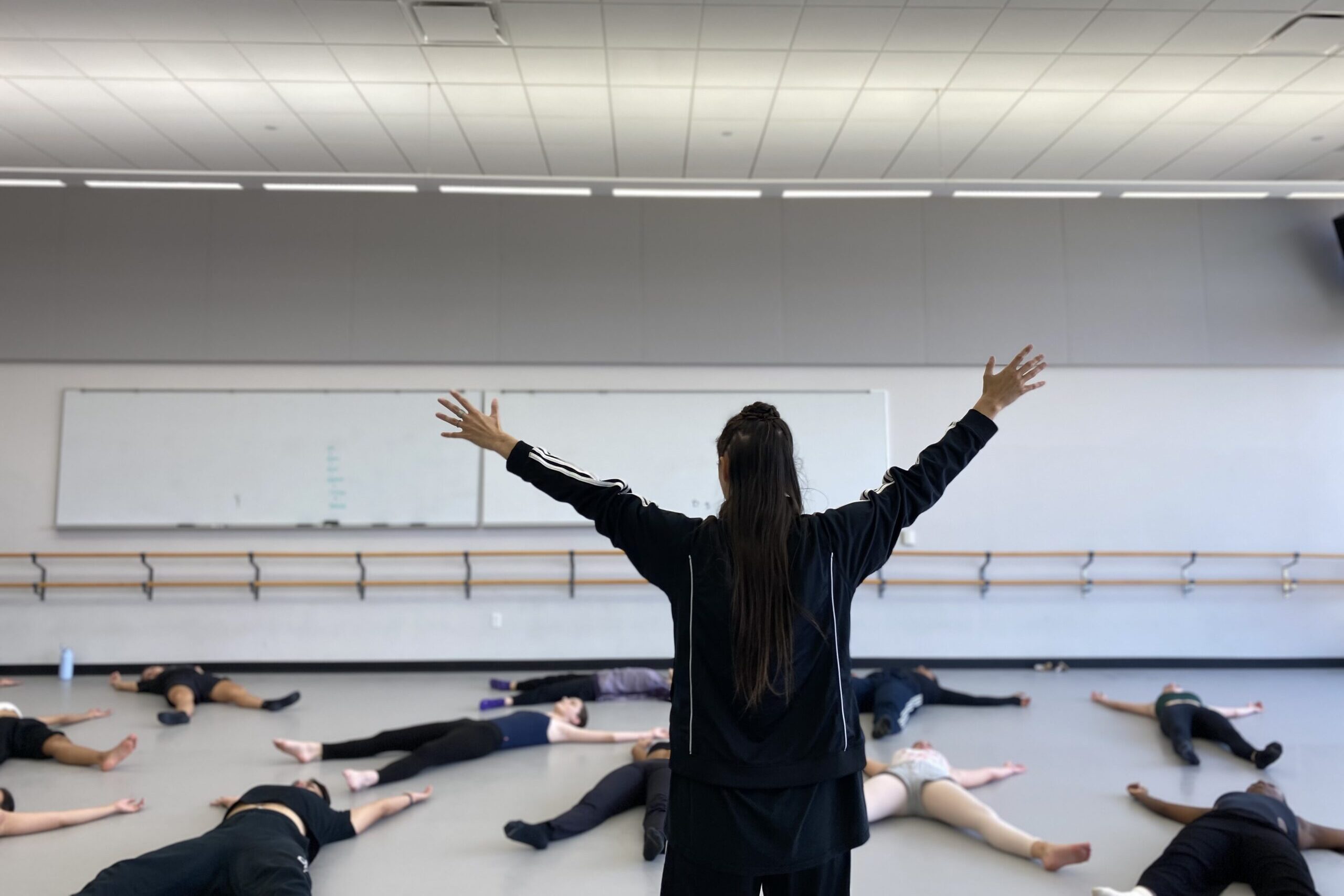
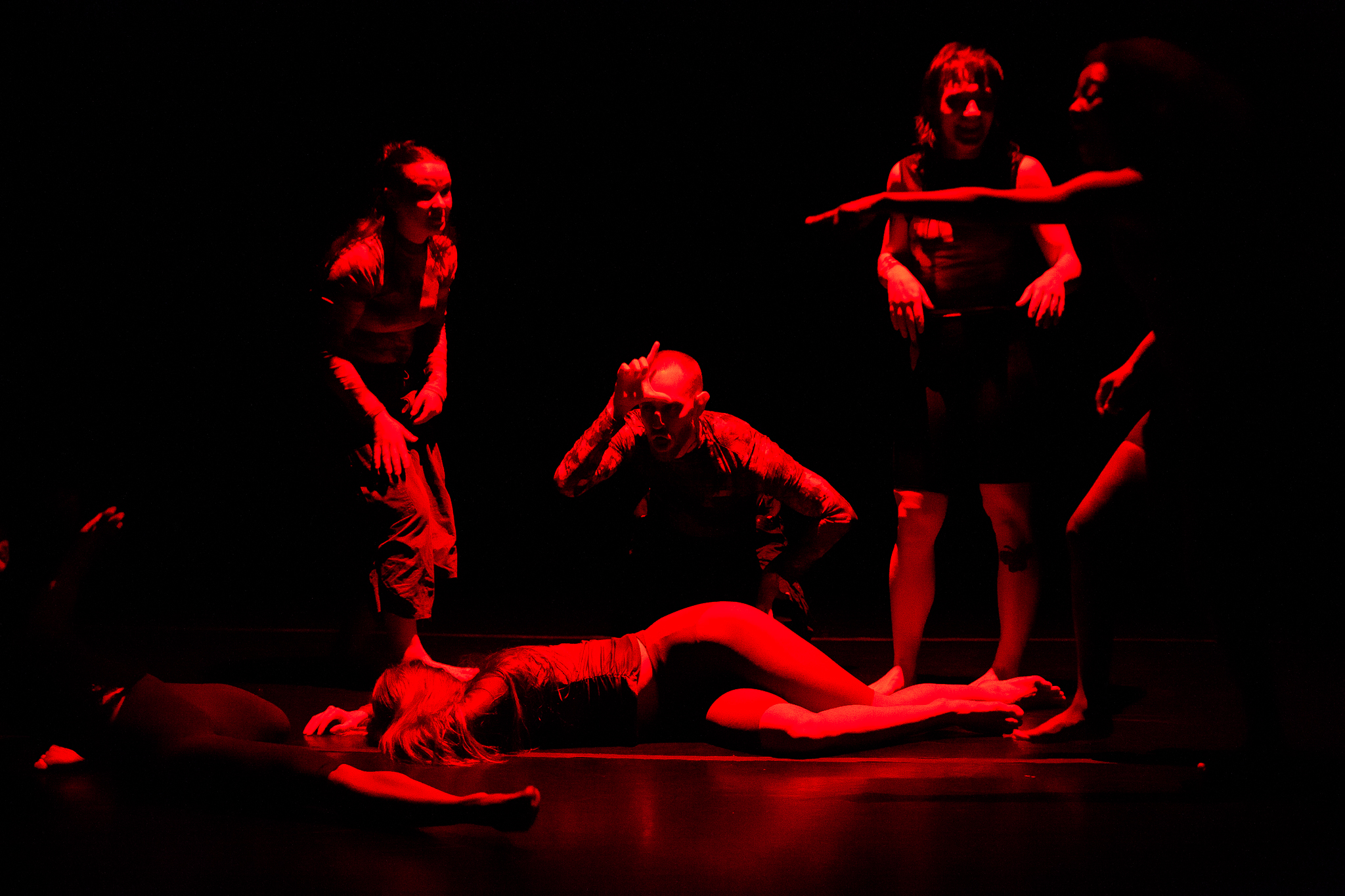
In response to conversations initiated by a Knight Foundation grant, Building the Capacity to Innovate and Adapt, the Performance Garage staff led by Executive Director Jeanne Ruddy invited a group of Philadelphia dance artists and administrators to a roundtable discussion on the state of the art of dance in our city. To encourage candor, participants were assured anonymity, which accounts for the absence of names or faces, aside from Performance Garage staff, represented in this report.
After a gracious welcome by Ruddy and introductions around the circle of seats, attendees were asked to consider the first Big Question: “What do we think are our greatest strengths and challenges as a dance community in Philadelphia?” A group pause for thought ensued, until one respondent piped up, enthusiastically praising the colleagues in her organization but lamenting the dismal state of financial support for their work. All heads around the circle nodded in agreement. This clearly familiar trope set the tone for much of the ensuing conversation.
A relative newbie to the city explained her reasons for moving from Europe to Philadelphia—an intentional choice. The city’s “underdog” status made it more “real, less saturated” for her than places like New York City or Boston. Philly is “grungy” but “livable,” it’s accessible, encompassable, and—most important—its dance world has a sense of community. Again, lots of head nods. People here support one another’s work, innovations, entrepreneurial efforts, and creativity. Particular organizations were named as examples: Pig Iron, Headlong, thINKingDANCE, and of course, Performance Garage. Then came the Big But, and that too was named: Philadelphians don’t have a culture of taking art—dance in particular—seriously, in contrast to New Yorkers and other culture-capital citizens. This has implications for audience, presenters, and—drum-roll!—funding.
I had confirmation—albeit a one-off—of this failing after the roundtable, as I stood on line to board my Amtrak train home to Lancaster. I grabbed the freebie Philadelphia Official Visitors Guide from the Information Desk near my train’s track. The only mention of dance I found in scouring it was the “Calendar of Events” (p. 16) listing Pennsylvania Ballet’s Nutcracker for December. There was much attention, deservedly, to Philly’s historical riches, information on museums and street (visual) art, as well as a page about music called “Sounds of the City” (p. 55). Although this issue started with September 2019, it included nothing on Fringe, the non-Nutcracker dance world, or any of the rest of our city’s innovative performance scene. The Guide’s “Entertainment” section covered bars and restaurants, “Family Fun,” and “Gentlemen’s Clubs,” but that was it for anything involving intentionally trained, interacting, and performing human bodies.
Back to the roundtable. Some discussants dissected the Philadelphia dance community more finely: the loss of Dance USA/Philadelphia (Dance UP) a few years ago, which exacerbated the dearth of administrative and service support for dance; the lack of a “class culture” in the dance community, which results in dancers losing opportunity to meet one another; the silos that some arts organizations maintain, inhibiting audiences from moving among different forms and venues. On the other hand, the experimental, often festival-based culture that Philly enjoys encourages collaboration, cross-disciplinarity, and outreach.
Presented with the question, “How can we combat the challenges identified in this discussion?,” the roundtable’s creative thinkers came up with some good ideas: free classes, established organizations sponsoring curated (or not) series where artists get a small stipend, closer ties with the city’s and region’s colleges and universities, and taking advantage of existing media outlets like the Philly Fun Guide. People could take steps to actualize these potentialities; funding would make it all possible. But where will that come from? Suggestions welcome!
Performance Garage roundtable (by invitation only), Jan. 7.