Pina Bausch

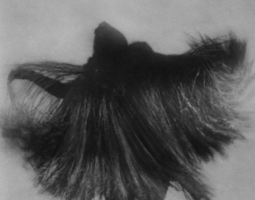
n a soft, blurry black and white photo, dancer Mary Wigman performs in Idolatry (Götzendienst), part of the solo cycle from Ecstatic Dances as revised for her first solo tour in 1919. She wears opaque black tights, shoeless, and a thick fringed black dress that covers her entire torso. It’s difficult to tell, but the shadowy form looks to be throwing her head back. Photograph Courtesy of the Mary Wigman Archive, Academy of Arts, Berlin.
Photo: Hugo Erfurth

The Rear-View Mirror: Hindsight from a Dance Scholar

Megan Mizanty

How does the lens switch as time passes? Susan Manning's essays are collected in Dancing on the Fault Lines of History.

Photo: Maarten Vanden Abeele

Calm Awaits the Chaos in “The Rite of Spring / common ground[s]”

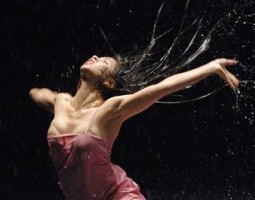
The dancers expand and contract through the chaos, searching for a calm that will not come.

PINA

Lisa Kraus

Art as homage is among the most purely driven forms, whether it be Bach’s musical devotion to his God, or Wim Wenders’ to Pina Bausch.