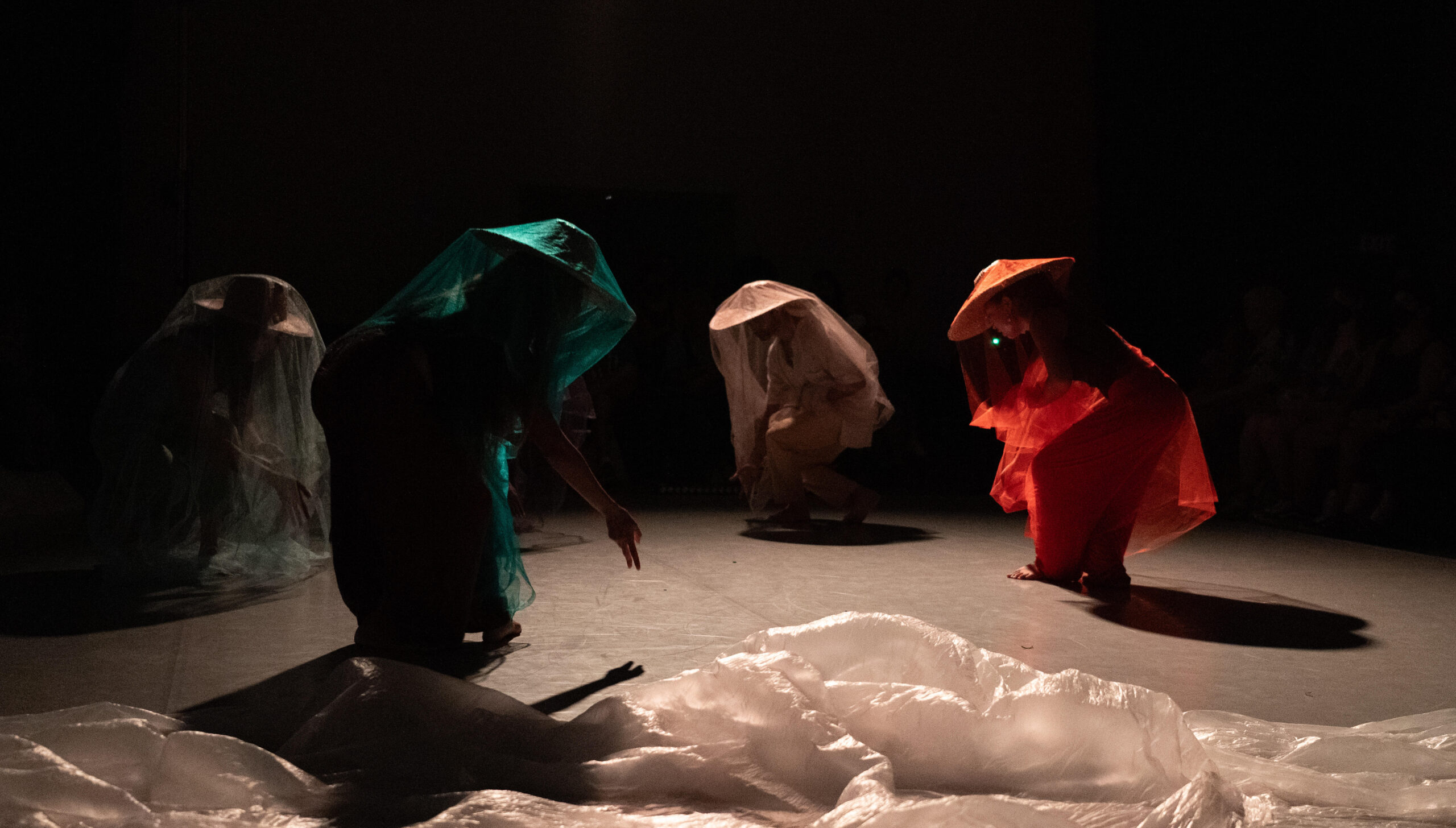
Here’s our idea: surveying dance in the Philly area over the course of the next year. It’s big, but really important.
Why? In the 2010 Philly Fringe coverage for the Inquirer I wrote two reviews of Fringe performances. Those were the only Fringe dance covered by the paper out of 36 shows! Of course the paper’s editors would have much preferred to capture it all. But the realities of print publication today mean that a lot of work is never written about. There’s a tree-falling-the-forest silence in place of writing that provides a record for history and creates further interest. To address that, we have assembled twenty-one aspiring and currently practicing writers to develop their craft as dance writers and to deepen their own understanding and knowledge about the dance around us. We will publish, over the course of a year, about 200 pieces of writing here and eagerly look forward to your input and involvement.
Our brief in thINKingDANCE is to focus on the area’s professional groups, that is, those with a toehold of a few years’ experience, plus some of the aspiring ones. With a hefty population of individual artists and groups, our priority is to give them coverage, along with touring companies performing here, and an occasional glance at TV dance contests or other popular and participatory forms.
The Philly dance scene encompasses newly-minted college grads to venerable pioneers, pure traditions to hybrids and emerging styles, with African forms, tap, flamenco, Ukrainian, Cambodian, tango, every variety of hip-hop, and more, in cross-cultural collaborations, dance theater mixes and media-rich spectacles. Ballet and modern dance range from classic to contemporary. Dance here can be site specific, political, tightly scripted or improvisational. The spirit is cooperative and generous, the resources helpful, the spaces affordable. Perhaps this is why dancer/scholar Susan Foster recently characterized Philly as being the dance capital of the U.S. today.
If we have gained such a rosy reputation as a fruitful hothouse for dance, what about some thornier questions, like: What’s the subtle difference between Philadelphia’s supportive dance environment and ‘back scratching’ where weaknesses are overlooked or left unarticulated? How do we help create an environment that keeps stimulating the degree of rigor, risk-taking and invention we hope to see in our artists and performers? Some very talented artists test the waters here and move on for lack of opportunities. What are the issues involved and what can be done about them?
thINKingDANCE won’t shy away from these questions, and more. Many of our writers are practitioners themselves, writing about their colleagues and their world. We pledge to write from a place of inquisitiveness and fundamental respect for each artist. Hopefully we’ll write with some zing too, offering substantive criticism and possibly packing a well-informed punch from time to time. How refreshing! Join us.