Interviews

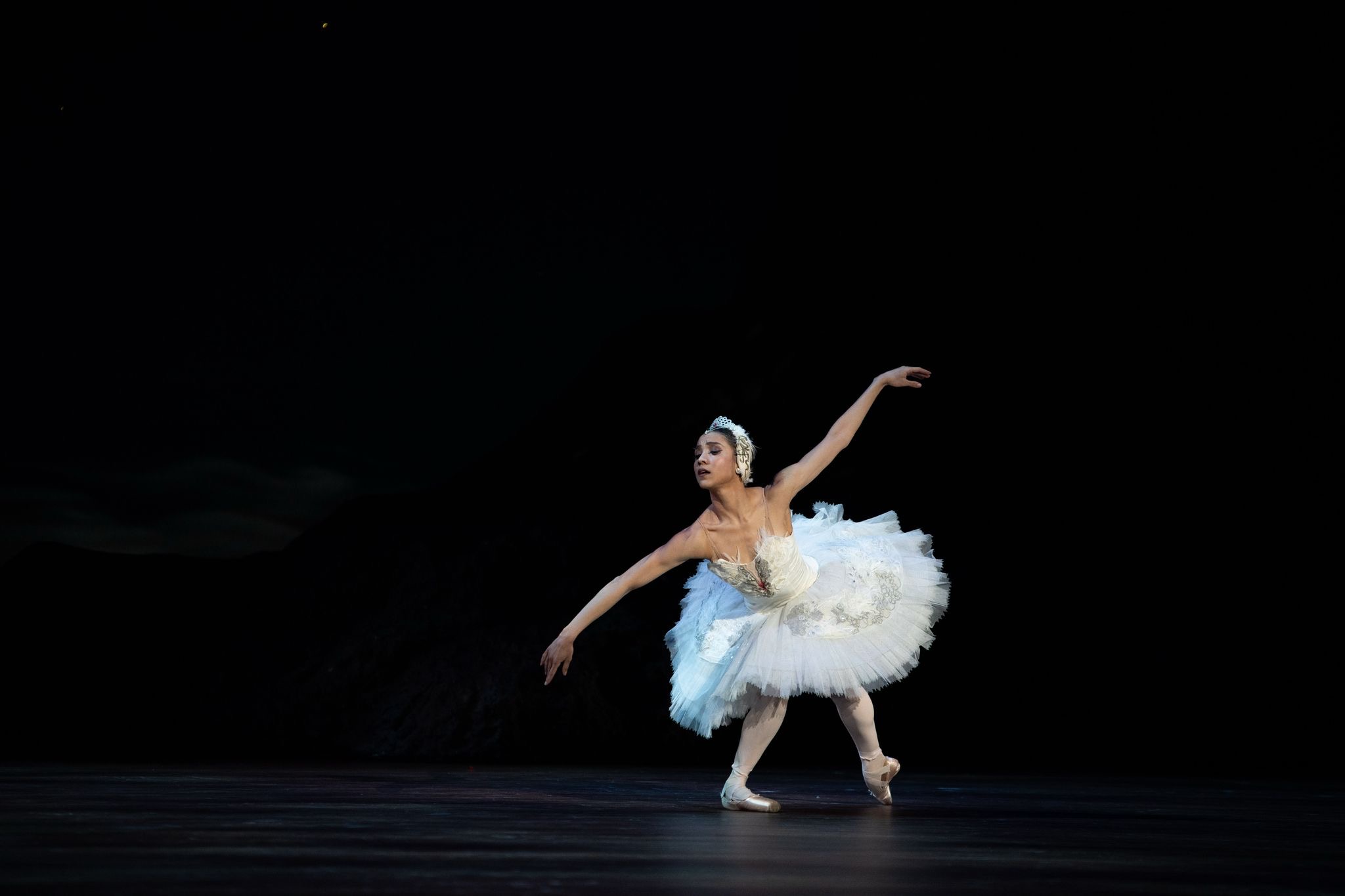
Nayara Lopes, a Brazilian Black woman, performs in the ballet Swan Lake. As Odette (the White San), she wears an ornate white costume, with tutu and headdress.
Photo: Arian Molina Soca

The Real Work of Undoing Racism in Ballet

Rachel DeForrest Repinz

After a painful whiteface incident at the Finnish National Ballet, Principal Dancer Nayara Lopes returns to Philadelphia Ballet.

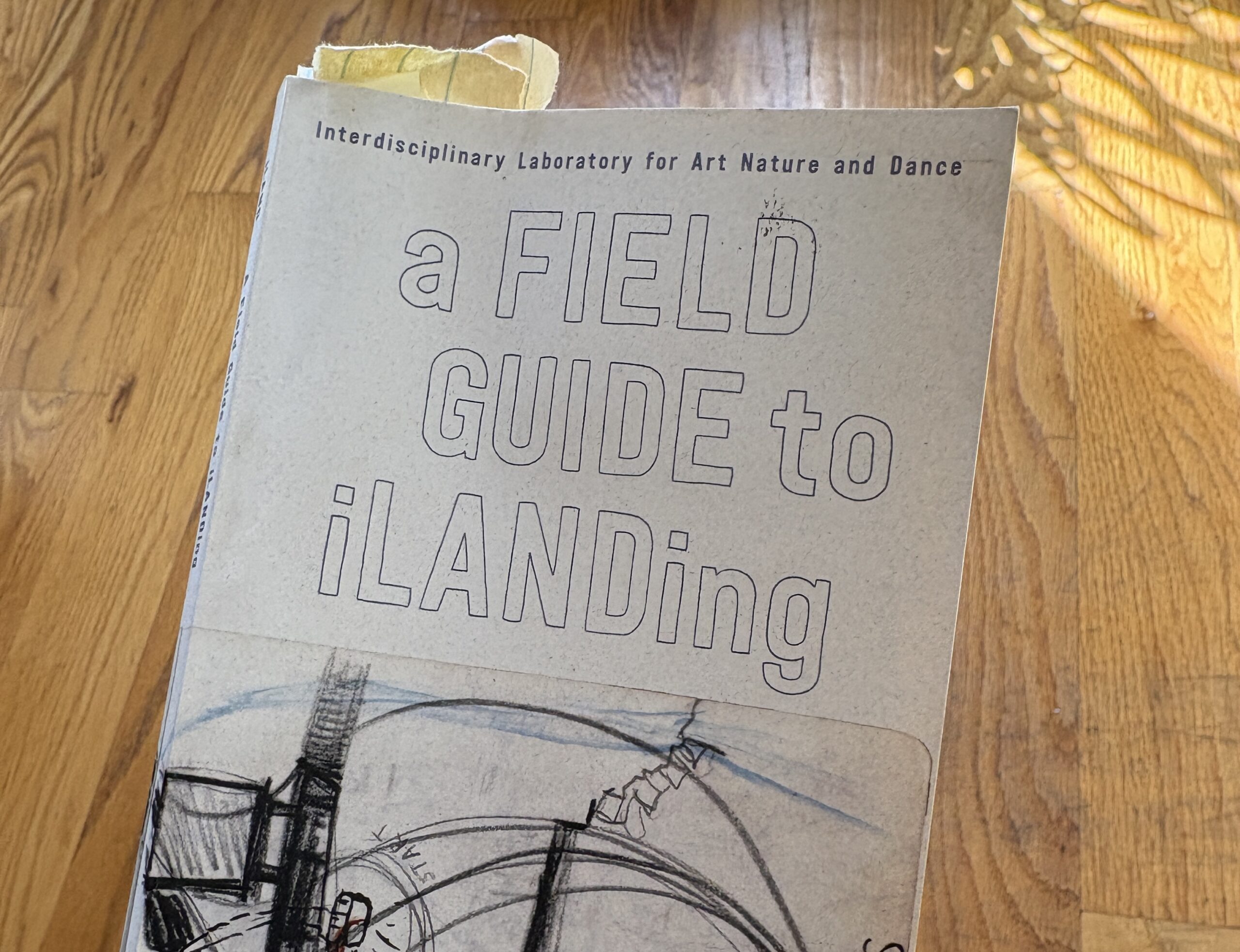
A hand holds a well-worn book over a sunlit wooden floor, with the shadow of a spider plant beside it. Torn yellow paper scraps stick out as bookmarks. The white cover reads “Interdisciplinary Laboratory of Art Nature and Dance, a Field Guide to iLanding,” above an abstract charcoal drawing of circles, arches, towers, scratches, and stacked squares.
Photo: Emilee Lord

With, Between, Through

Emilee Lord

20 Years of iLanding

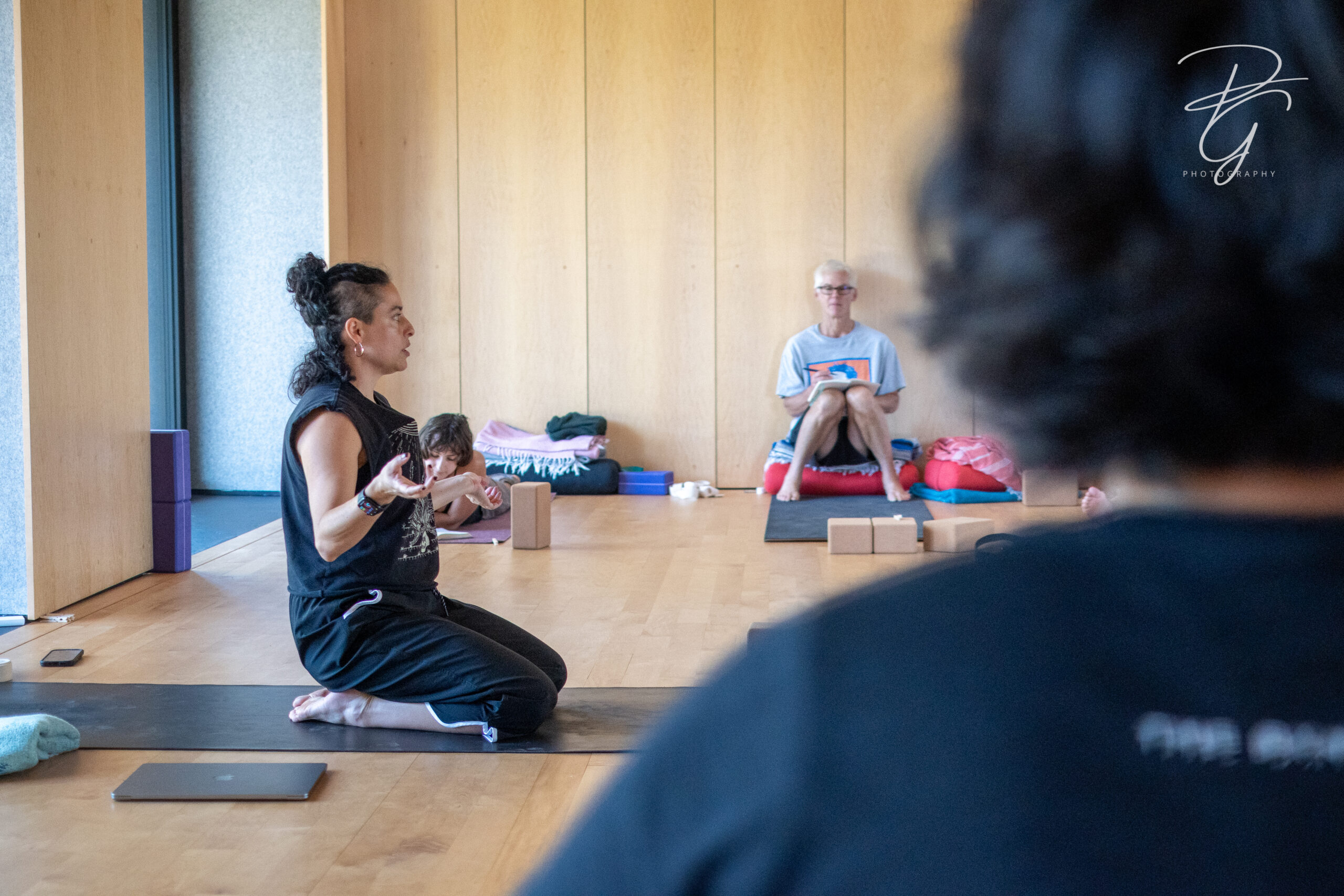
Zaquia Salinas kneels on a yoga mat in a naturally-lit studio with wood walls and flooring. She embodies a grounded, punk energy, with a half-shaved head and an all-black outfit of a muscle shirt and capri-length workout pants. Her hands gesture out from her body as she speaks to a class of participants who are similarly seated on yoga mats with blocks surrounding them. The participants include one black-haired individual whose head is foregrounded in the image, one white-haired individual in t-shirt and shorts on the opposite side of the room, and a brown-haired person laying down on their stomach reading from their journal as Zaquia speaks.
Photo: WATS (You've Scene Enough Productions)

Teaching Embodied Activism

ankita

A conversation with Zaquia Salinas

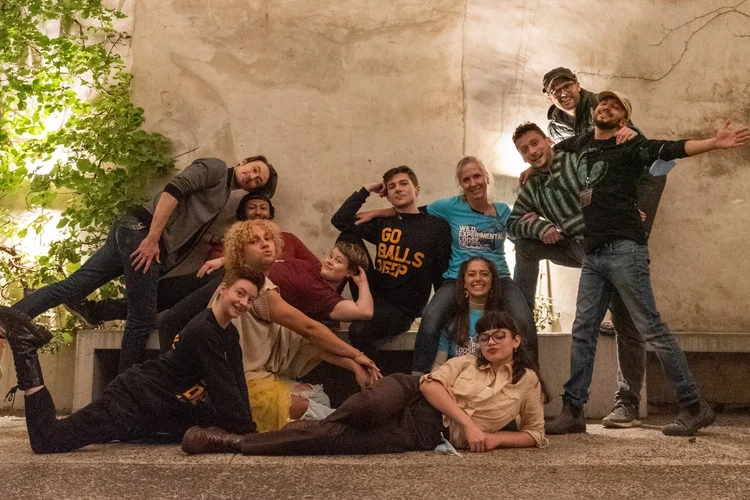
A group of twelve people pose in front of a white wall. on the floor level, four group members either sit, lie, kneel or lunge on the ground. standing members lean on one another on either side of the crew, and people in the center sit or lay on a bench together.
Photo Credit: Jeffrey Evans

Cannonball Bets on Philadelphia’s Indie Artists

Caitlin Green

“Cannonball is no one person’s vision, but the collective fever dream of us all.”

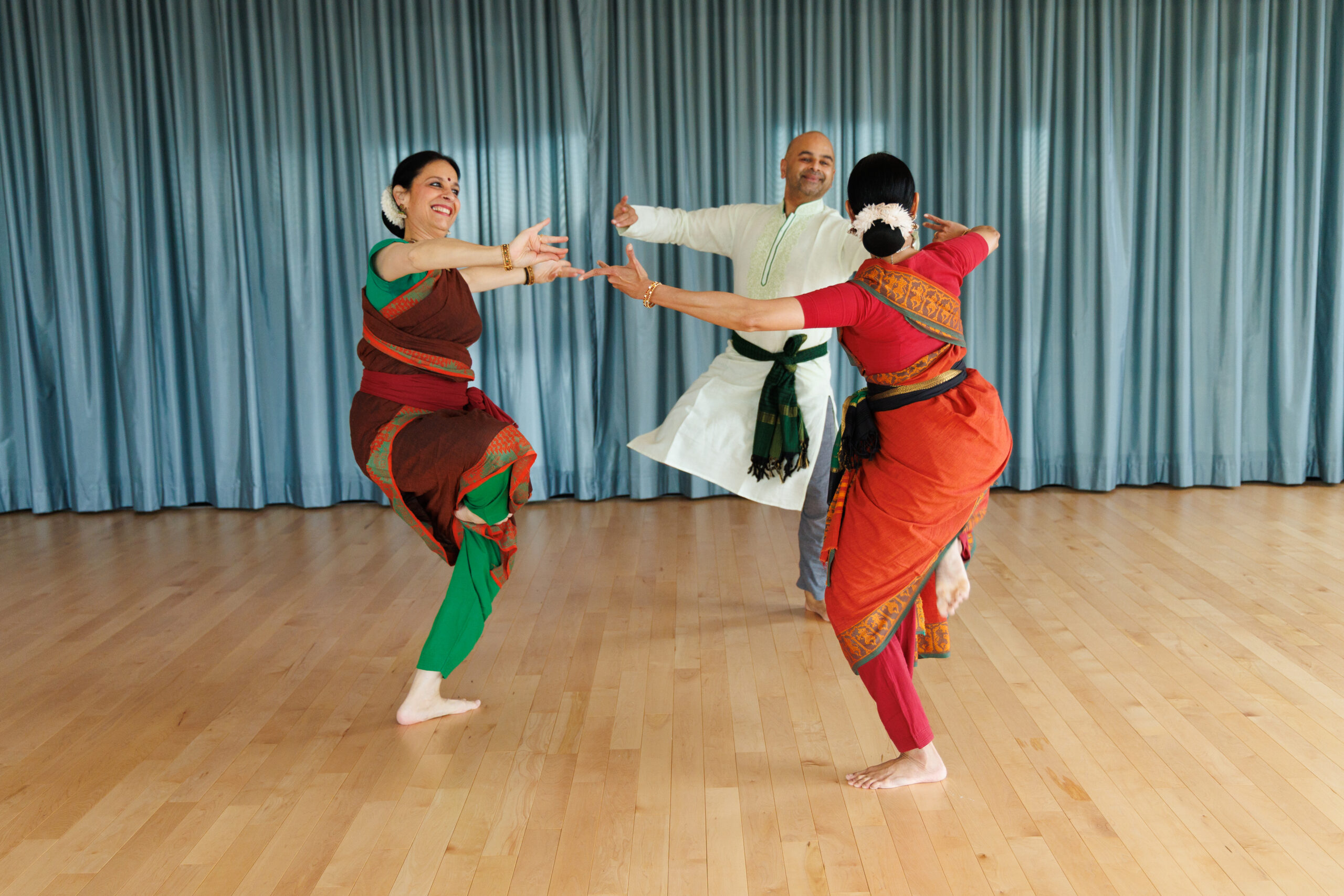
Three dancers, including Nalini Prakash and Vijay Palaparty all face each other in a circle, dressed in vibrant greens, reds and yellows while Vijay wears mostly all white. They are in a dance studio with warm wooden floors. They are all smiling at each other, reaching arms around while balancing on one foot.
Photo: Natasha Cohen-Carroll

Who am I?

Zoe Farnsworth

Nalini Prakash and Vijay Palaparty discuss identity, tradition, and the evolving 20-year journey of Godavari.

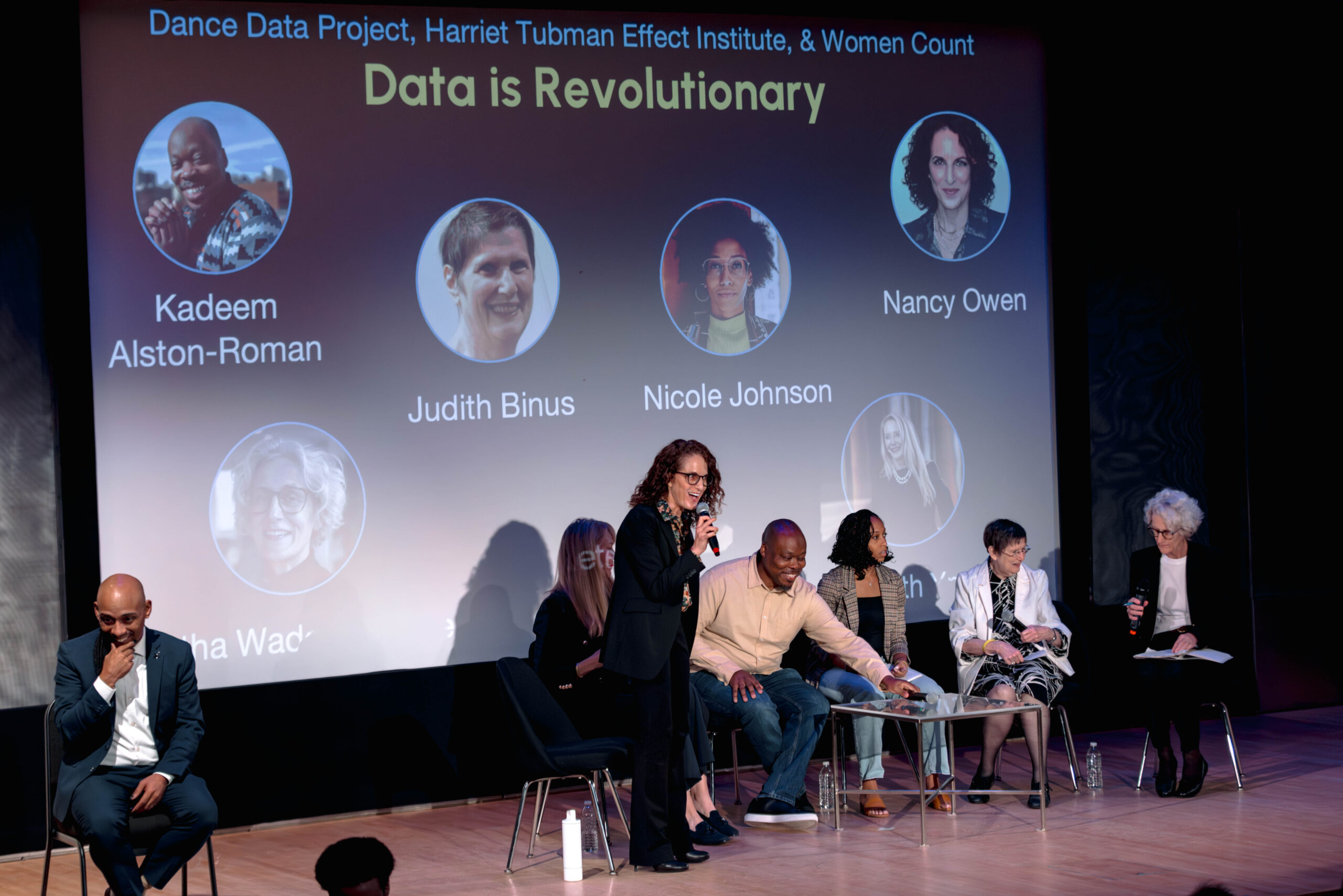
At the RISE 2025 Summit held at the New York Library for the Performing Arts, panelists for a discussion entitled “Data is Revolutionary” gather in black office chairs with silver legs in front of a large projector screen that reads “Dance Data Project, Harriet Tubman Effect Institute, & Women Count” in a pastel blue above the title “Data is Revolutionary” in a light yellow. Six circles containing the headshots of the panelists dot the rest of the projection. Amidst the other seated speakers, Nancy Owen stands holding a microphone in her right hand. She leans forward toward the audience, eyes alight, mouth open in speech that slips through an excited smile. In the lower left corner of the frame, a bald man in a crisp blue suit brings the crook of his thumb and second finger to his chin at stage right. He looks out toward the audience with his chair angled away from the six panelists.
Photo: Victoria Detres

Dance Leadership by the Numbers

Jennifer Passios

A Conversation with Elizabeth “Liza” Yntema of Dance Data Project®

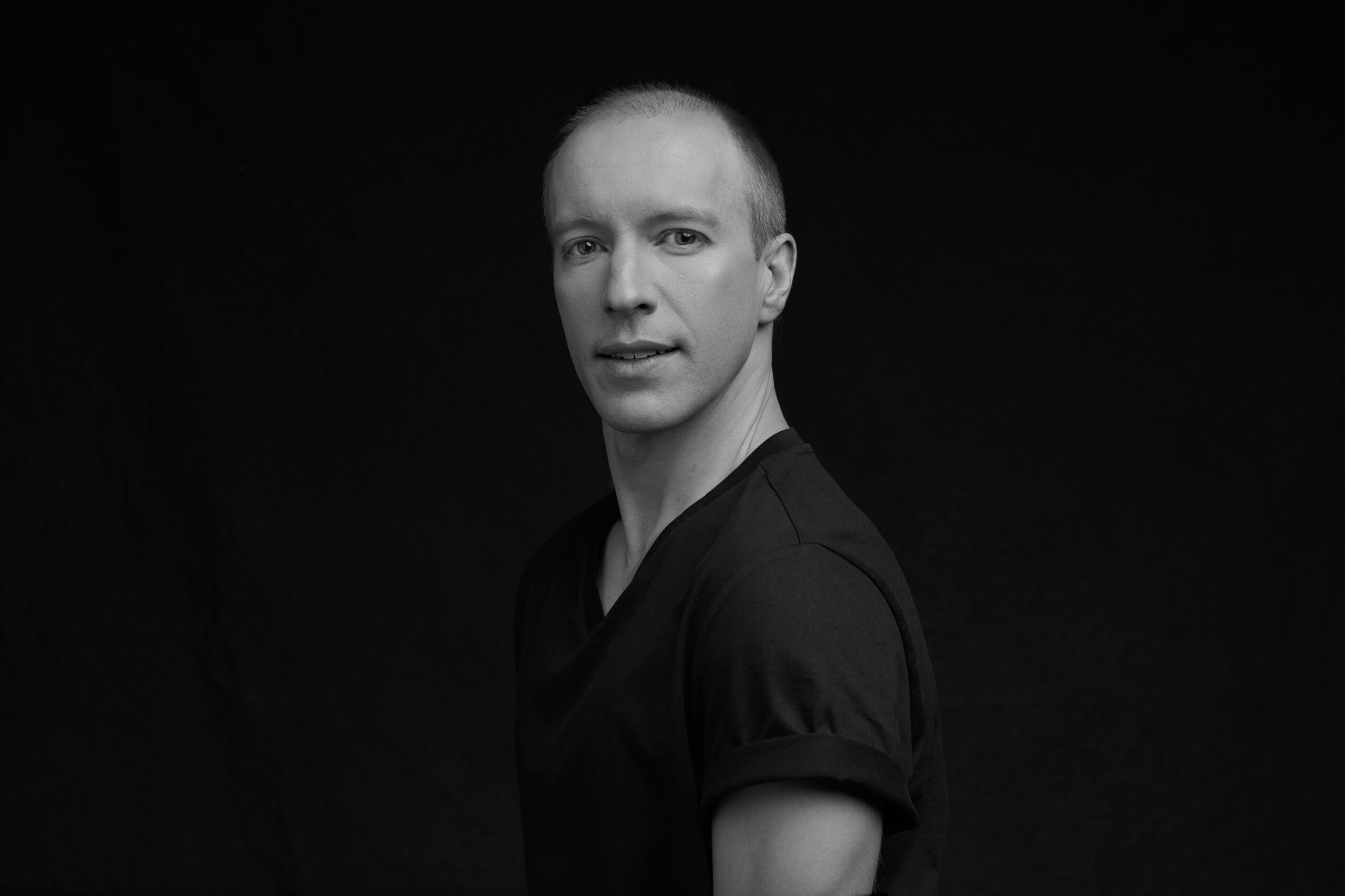
Andrew Skeels, a White man with buzzed hair, wearing a black T-shirt, stands against a black background. He is turned to the side but looks directly out with a soft smile.
Photo: Damian Siqueiros

Meanwhile, in an Indoor Meadow: An Interview with Andrew Skeels

Caedra Scott-Flaherty

A new dance and exhibition explore growth and change in an intimate setting.

A group of dancers wearing various multi-colored shirts sit in chairs arranged in a circle in the center of a church meeting room. They are surrounded by intricate stained glass windows, warm wooden flooring, and off-white painted walls. As they sit, they raise their arms above their heads and smile at one another.
Photo: Helio Ha

Tango – I Think About It All the Time

Rachel DeForrest Repinz

Tango Therapy Project offers community, connection, and joy.

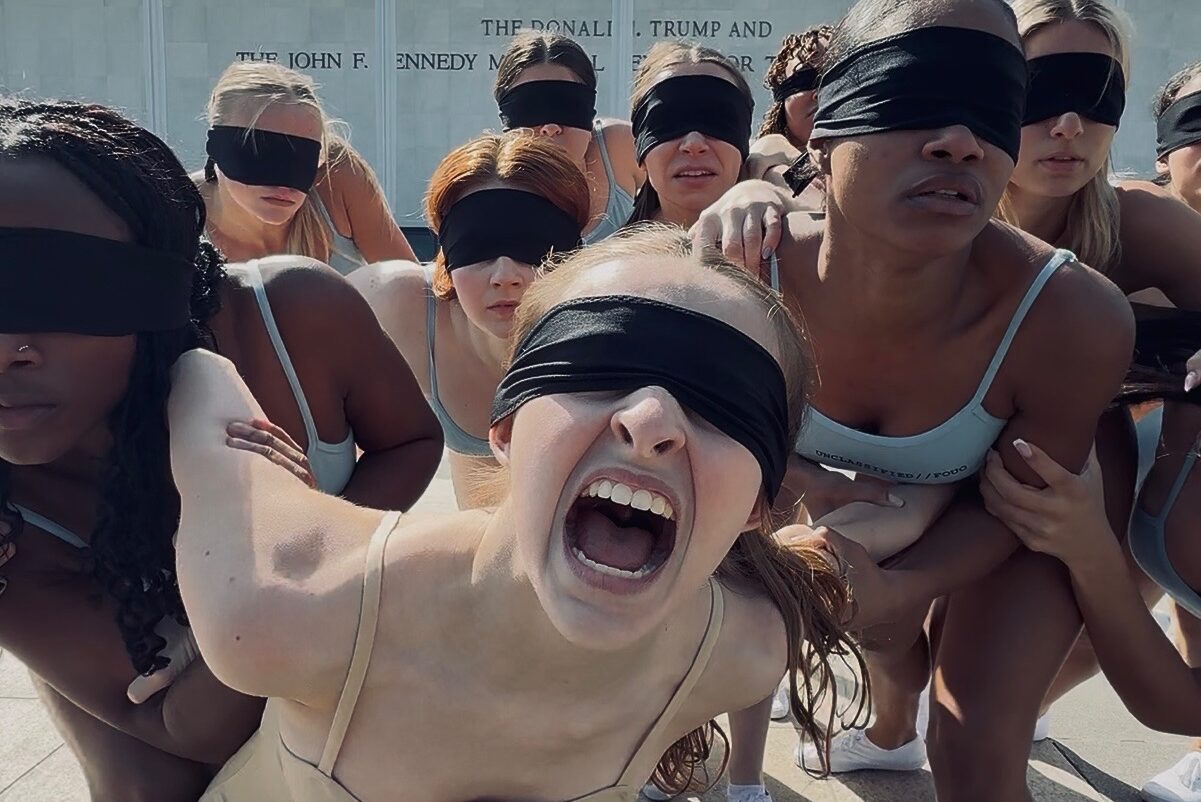
In a close up photograph, ten dancers in spaghetti-strap leotards lean in, their eyes covered by a sheer black cloth. The middle dancer, closest to the camera, is mid-scream. Behind the dancer is the newly engraved building signage reading “The Donald J. Trump and John F. Kennedy Center.” Some words are covered by the dancers’ heads.
Photo: Courtesy of The First Amendment Troop

The Epstein Files and Redacted Bodies 

Megan Mizanty

An interview with choreographer Matthew Steffens on ResistDance vs. Redaction

Two dancers in long-sleeved red tops face away from us with arms round one another’s waists as their free arms reach outwards. There are singular, red feathers extending from their heads many feet into the upwards space. To the left of the duet, we see a large Taiko drum.
Photo: Mike Hurwitz

Afterglow: The Dancers of KYL/D Take a Final Bow

E. Wallis Cain Carbonell

‘Anticipating something and hoping it will be everything you wished for’
Join us for