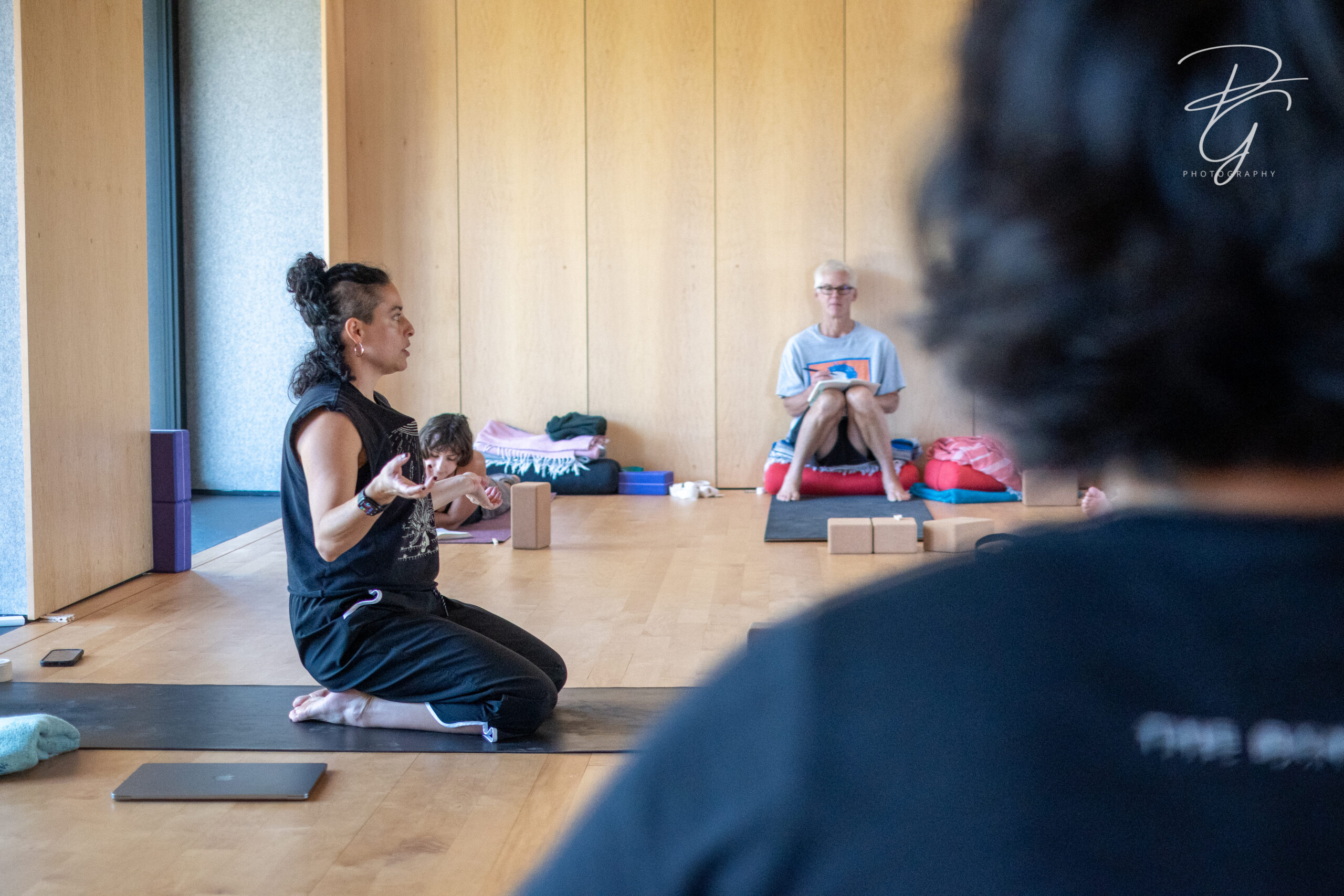
The first Tuesday of each month thINKingDANCE writers convene to work out assignments and to focus on aspects of the dance writer’s craft. November was “bring in a piece of dance writing you love or loathe” month. Here’s some of what we came up with:
In the not-so-inspiring category were “bloated, un-specific, wordy and oft-inaccurate “pieces. (Gee, our critics aren’t critical, are they?). One writer brought in Arlene Croce’s famous New Yorker diatribe against Bill T. Jones’ Still/Here where she categorically refused to watch the piece she saw as being “victim art.” The fallout from that episode, where Croce wrote without seeing the work, was huge. The counterweight on the table was Greg Tate’s take on Still/Here in a 1995 Vibe Magazine– an inquiring and respectful summation, stating the value of the work itself and Jones’ place in the broader culture.
Chris Dohse’s verbal gymnastics dazzled us, along with his ironic and subjective stance. Assessing Cunningham in Dance Insider in 2005 from the perspective of someone who had been utterly enthralled with the work and after some years finds it less than fulfilling, he writes: “But if this piece tasks me to worship it as if it’s a sacred part of some late Modernist canon, then I wanna come away uplifted or edified. This “we’re just doing solos in the same place at the same time…standing next to each other…. not associated” dance is no longer an important idea. The construction of any Cunningham piece is intellectually brilliant but the execution of this one feels specifically stale. The dancers seem to be afraid they might flub it, like acolytes carrying their first incense burner.”
Great metaphor, historical placement, delineating an aesthetic, nuanced appreciation, critique of the performing, description of the physical action–and all that is in these four sentences.
So, fortified, and with lots more docs shared online for further reading, TD writers returned to their notebooks and laptops. Onward.