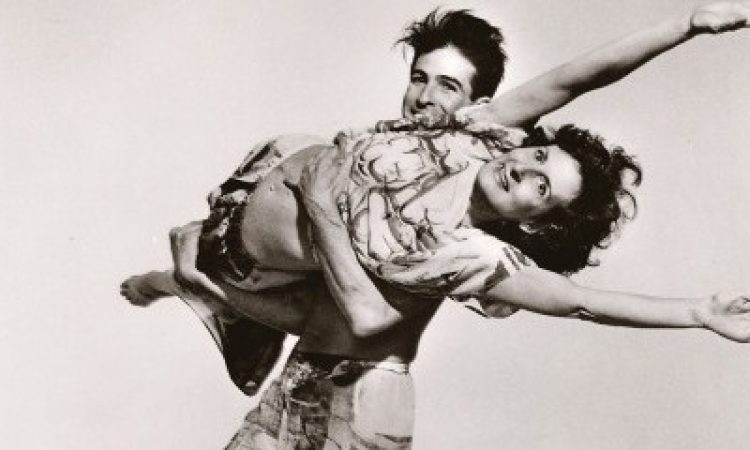
Photo: Babette Mangolte

Editor’s Note: Letter to the NY Times

Lisa Kraus

thINKingDANCE  aspires to write about dance in an open and fair way, especially dance that’s edging into new territory or otherwise not well represented. It’s a hard thing to do, and we haven’t had a perfect record. But it’s something all dance writers should be accountable for, including those at the august New York Times. 

To the Editor:

As a dance artist who has followed the work of Trisha Brown since 1975, I was gratified to see coverage of her career in Sunday’s feature (Pure Dance, Pure Finale) but was dismayed by Alistair Macaulay’s pronouncement that her style lacked rigor and that the greatness of her work is in question.

Both readers and the historical record are done a disservice when the lead dance writer at the Times fails to see that the rigor in Brown’s work is no longer about the pointed foot but about the precisely timed collision, the exact harnessing of weight falling through space, the down-to-the centimeter exactness of spatial relationships and also about a continuing investigation over the course of over fifty years that opened out new ground in multiple, distinct phases of dance making.

At the death of Pina Bausch, this writer also dismissed the value/quality of that artist’s work. Is there a thrill in the power of the writer to belittle the truly great? Dance is such a struggle as an art and a life. When someone has transformed the field, let’s recognize that and not, through ignorance or prejudice, minimize her value.

Sincerely yours,

Lisa Kraus
Former dancer, Trisha Brown Dance Company
Editor, thINKingDANCE.net

Share this article

Lisa Kraus

Lisa Kraus’s career has included performing with the Trisha Brown Dance Company, choreographing and performing for her own company and as an independent, teaching at universities and arts centers, presenting the work of other artists as Coordinator of the Bryn Mawr College Performing Arts Series, and writing reviews, features and essays on dance for internet and print publication. She co-founded thINKingDANCE and was its director and editor-in-chief from 2011-2014.

PARTNER CONTENT

Keep Reading

Bodies Exposed Under Hard Light: Encountering Fables

Yuying Chen

Virginie Brunelle's Fables reveals how bodies resist and transform.

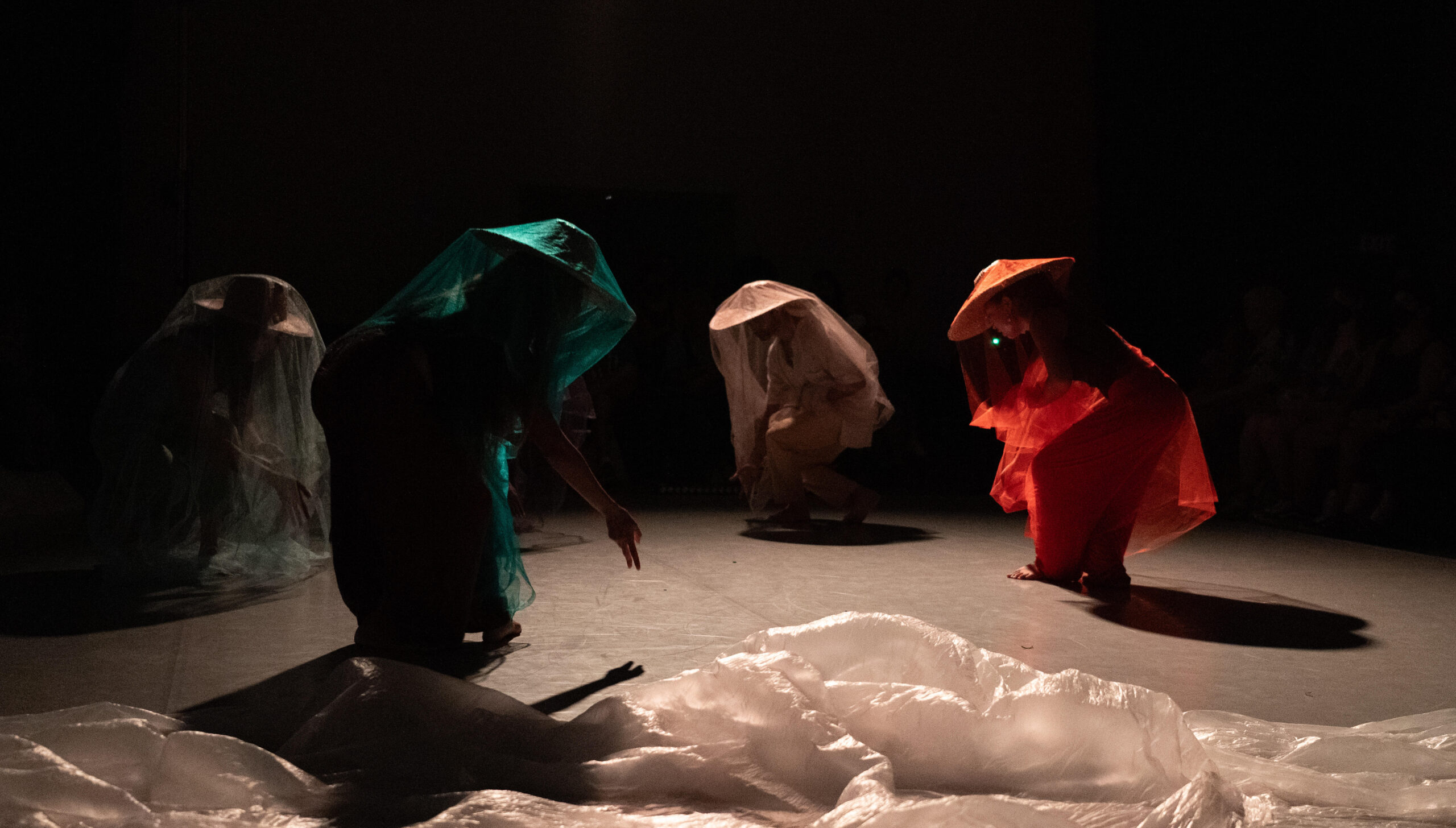
The vast white skirt of a female dancer spreads out across the center of the stage, drawn and lifted by dancers concealed beneath it, resembling a giant wave. The dancers are constantly struggling to crawl out from within this undulating mass of soft fabric. With their upper bodies bare, they curl up on the ground, suspended in a state between weightlessness and struggle. The spotlight focuses on the white fabric and the figures at the center, plunging the surrounding space into darkness.
Photo: David Wong

Peering into Practice

Noel Price-Bracey

Michael J. Love’s “Exercise 3” teaches us to value the balance between preparation and performance.

Thirteen dancers in all white and different color tap shoes dance joyfully off of wooden boards in all directions. Their bodies blurred in space.
Image Courtesy of Michael J. Love