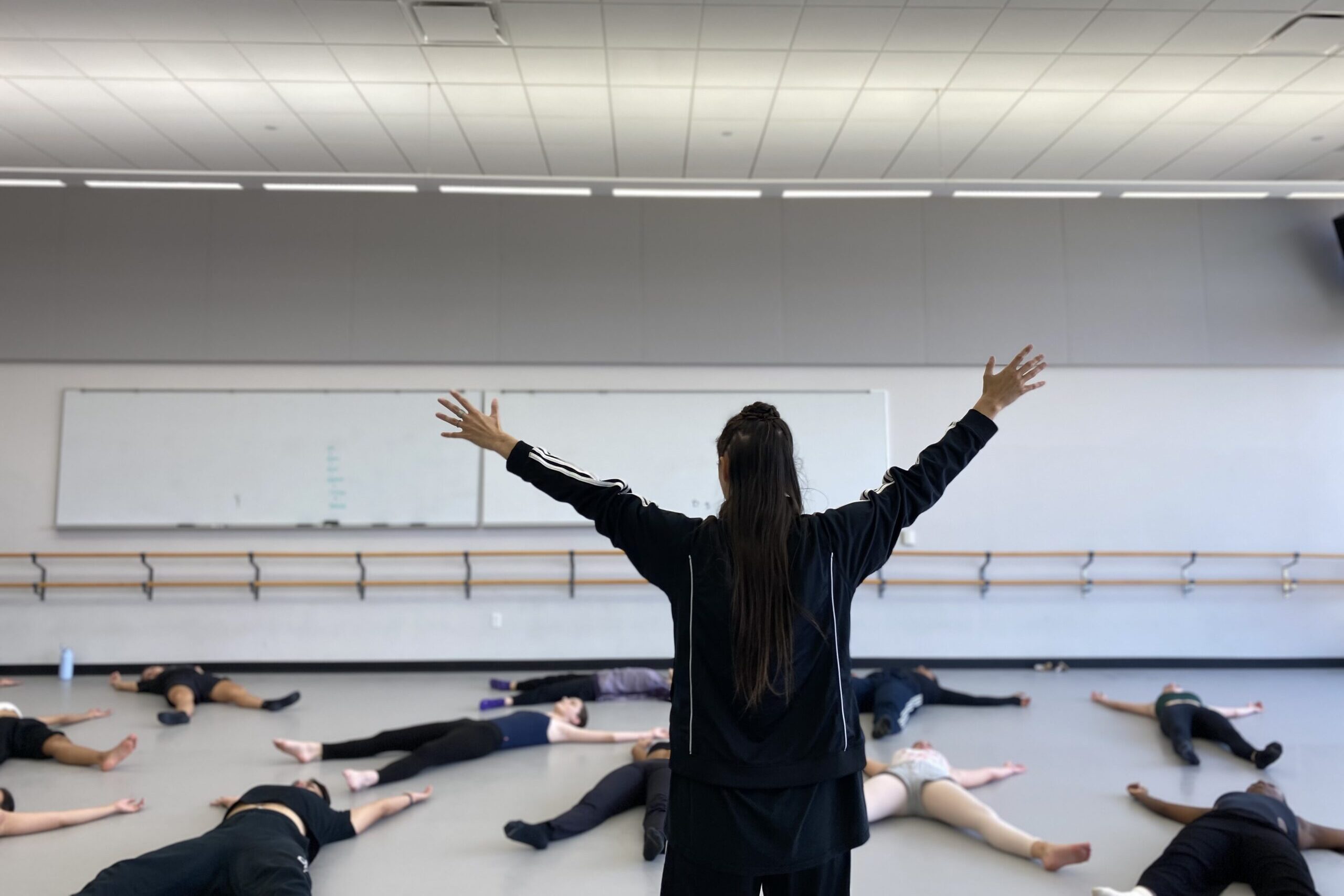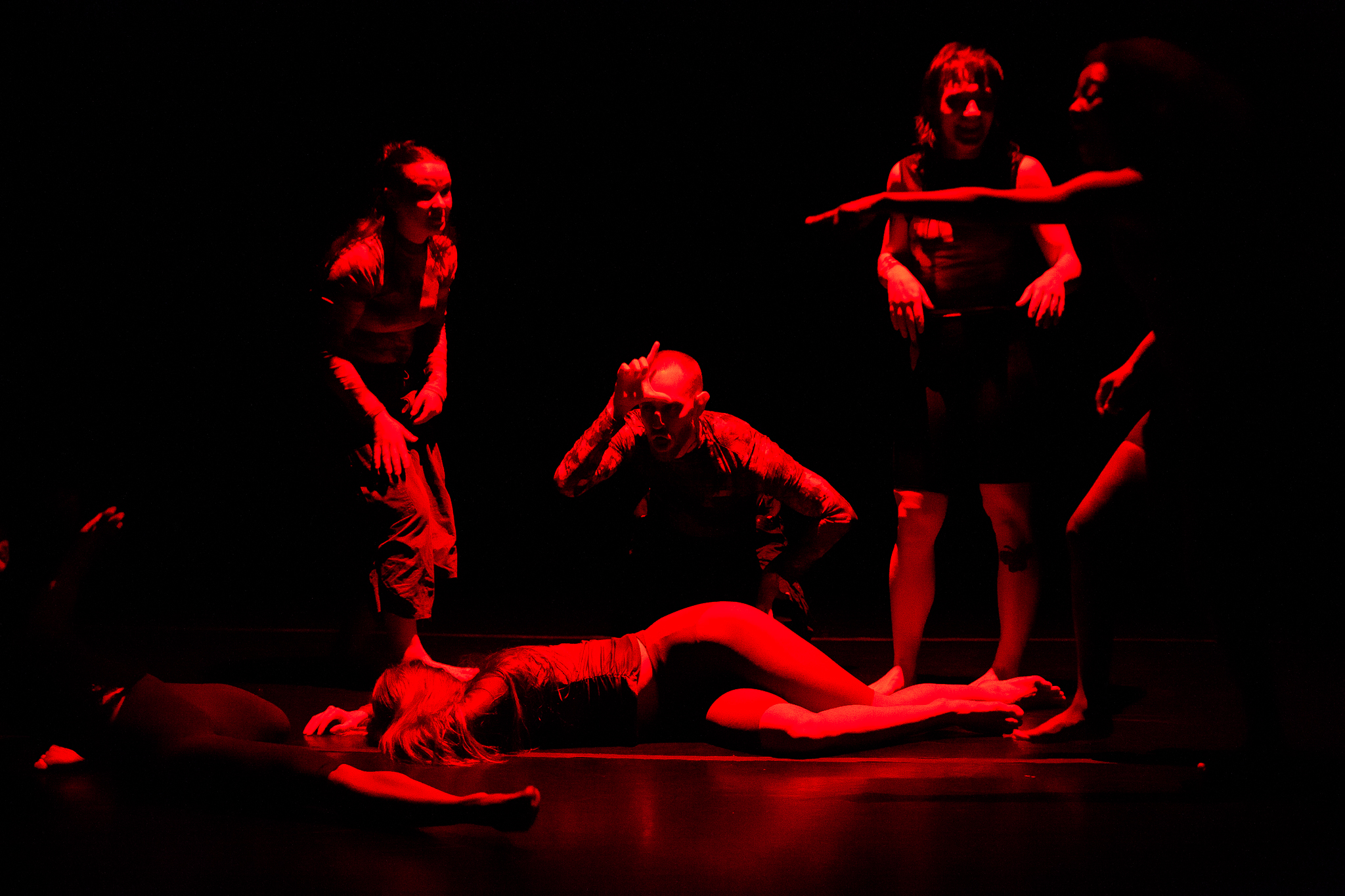
Given today’s dance, with its expansive stretch of categories, styles, and definitions, even a practitioner with over forty years of experience and familiarity with the movement scene cannot be condemned for being unfamiliar with Boris Charmatz. With roots in la nouvelle danse française (also known as “non-dance”), and a student of the Paris Opera Ballet and the National Superior Conservatory of Music and Dance at Lyon—and before all that an avid table tennis player—Charmatz has presented his pedestrian movement elaborations in usual and unusual sites all over the world. His work often includes non-trained, extremely game individuals, all willing to follow Charmatz’ visibly affable and spontaneous lead as conceiver, suggester, and director. All this, yet I had no inkling of his existence until this past winter, when a call for dancers willing to participate in his Philadelphia-based residency sparked my attention.
Admittedly, I have been sort of a “dabbler” for as long as I can remember. Over the years, my curiosity has netted collaborations with David Gordon, Douglas Dunn, Bill T. Jones, Meredith Monk, Scott Barrow, and many others. My being drawn to Charmatz’ upcoming Levée des Conflits (Suspension of Conflicts) this week, a community-participatory work based on the elaboration of 25 pedestrian gestures (or movements) for 24 dancers, is completely in character with my eclectic interests. I have always embraced with enthusiasm my self-motivated participation in contemporary, post-modern, and dance-theater productions of varying kinds, purposefully seeking opportunities to pair up with new people, or place myself in new situations. Nevertheless, is the Boris Charmatz venture causing my heart to flutter because everyone else involved is half my age? Is my world, as I thought I knew it, giving me a wake-up call?
With less than a week before residency start-up with local professional dancers who will perform this Saturday morning at the Philadelphia Museum of Art, East Terrace, my head—not my body—dances with multiple thoughts, spurred by my initial on-line Charmatz stalk and the self-reckoning fact that at sixty, I’ve been out of the performance dance scene for nearly two years. Am I still relevant, resilient, reared and ready to go with Charmatz’ Levée des Conflits? Will I be able to keep up, will I understand the language, do I have the stamina, am I still an apt participant? Even scarier, do I really want to find out?
The serendipitous timing of the Charmatz workshop, in concomitance with the college send-off of the last of my progeny is, at the very least, thought provoking. I inhabit a house with walls suddenly loud with unaccustomed silence, where all things familiar now shape shift. There is a metaphoric sense in all of this, so I will move forward without expectations. During the entire four-day series of events, I will listen, watch, do, write, and then share all things discovered—stay tuned.
– – – – – – – – –
Boris Charmatz, Levée des Conflits, two ticketed performances with the Charmatz company, Drexel Armory, 33rd and Lancaster Ave., Sept. 9 and 10, both 8 p.m.; free informal showing with professional and community workshop participants, Philadelphia Art Museum, East Terrace, Sept. 10, 10 a.m.; related discussion events, Sept. 7-10, www.fringearts.com/event/levee-des-conflits.