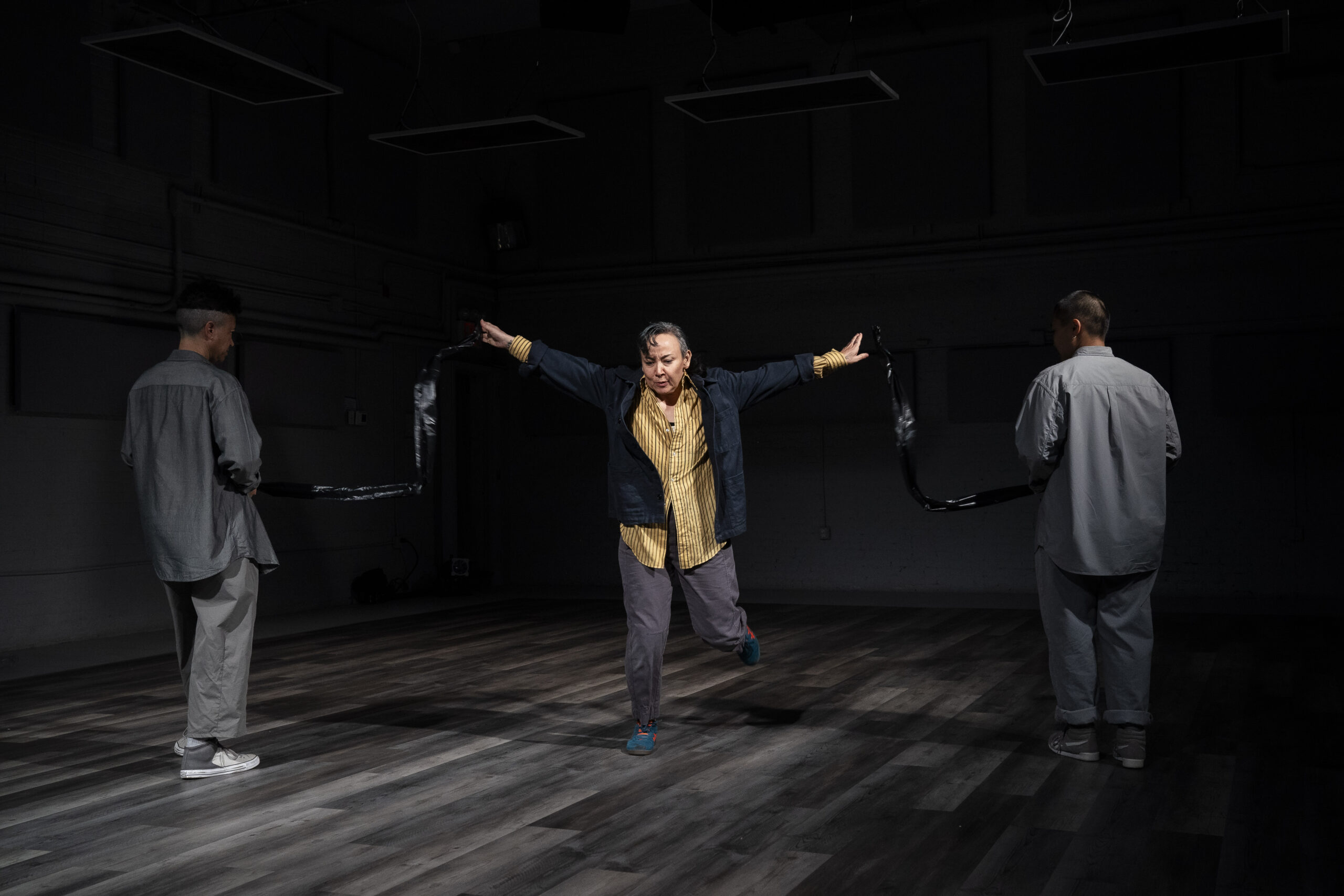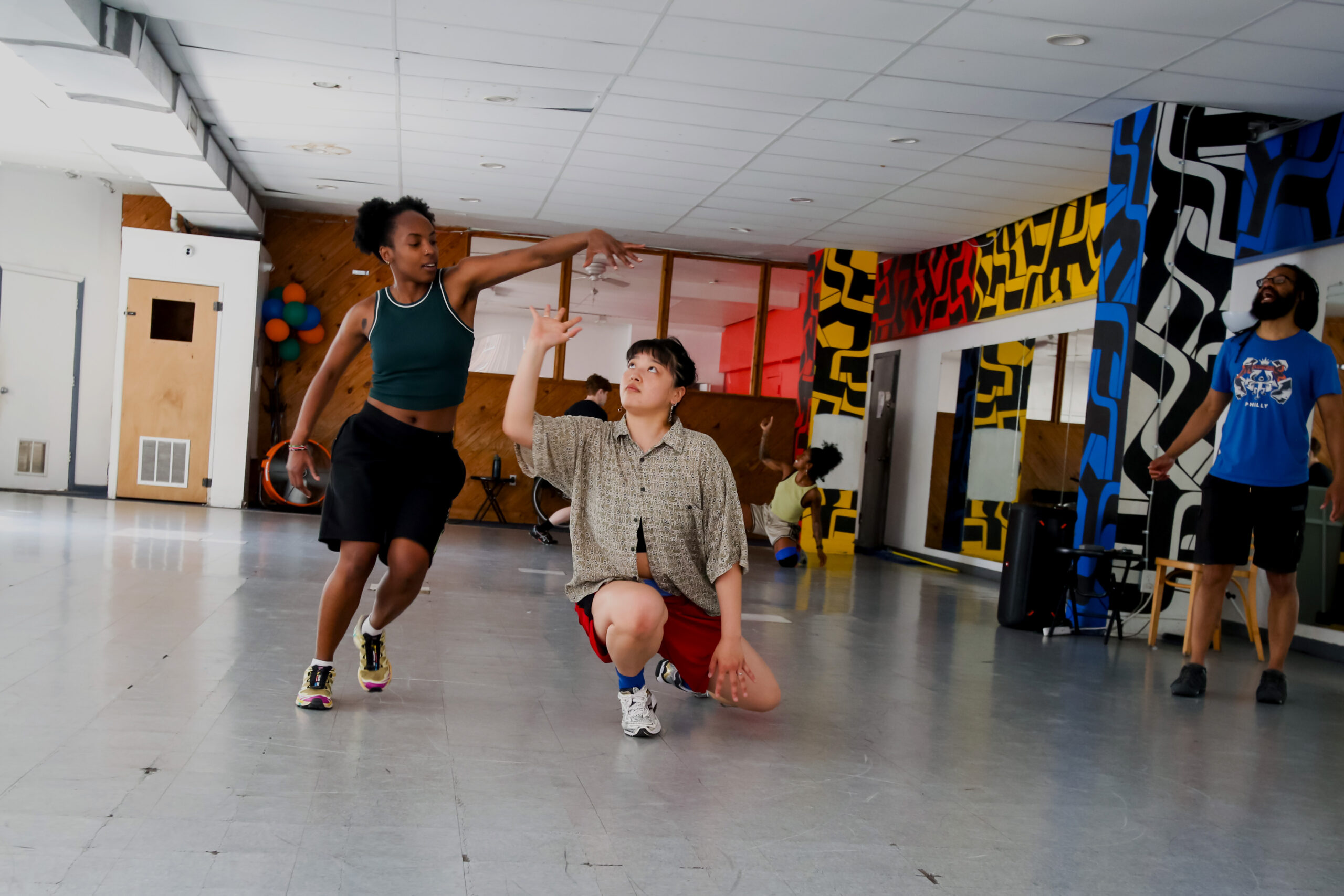
thINKingDANCE is excited to announce VISIBILITYtalks; a new video series that centers the stories of Philadelphia artists experiencing chronic pain, chronic illness, and/or who are on the Disability Spectrum. Each video is created in collaboration with a featured artist and the project director, Kenwyn Samuel.
VISIBILITYtalks is one of two new video projects at thINKingDANCE launching in 2021, with the other being Decolonizing Dance Writing: International Exchanges directed by Gregory King. These projects mark our first experiments with audio-visual media, and we can’t wait to see the conversations sparked by these ventures and collaborations.
Kenwyn, a multidisciplinary performance artist and an engineer of immersive experiences, lives with chronic illnesses and pain. They actively center the stories of artists who experience chronic pain and disabilities while working across the live arts in dance and performance, including as tD’s wonderful Advertising Manager.
The impetus for VISIBILITYtalks came out of discussions between Kenwyn and tD as our publication was undergoing major editorial change over the last year. We felt these shifts created a huge opportunity to cover previously underrepresented perspectives both in multimedia and in the writing process.
VISIBILITYtalks is produced by artists openly on the Disability Spectrum and aims to disentangle itself from the able-bodied lens. Though tD has covered intersections of disability in dance before, it is our aim to center the voices of those with disabilities in all aspects of this project, including production and editing. Kenwyn writes:
“My personal experiences in academic dance and performance settings have pushed me to center the experiences of those with illnesses, pain, and disabilities in my work; this project came out of the desire to create a platform for those on the Disability/Chronic Illness Spectrums to represent themselves and their art in a way that they can directly control, using the advantages that the virtual world of quarantine has to offer.
When recruiting artists for VISIBILITYtalks so far, I’ve centered the work of BIPOC, Queer, and Trans individuals and groups. The pandemic has been especially limiting and frustrating to those who need accommodations. The multiple pandemics of our time create physical and mental limitations to the participating artists — those who have health conditions that weaken the immune systems are still dealing with inherent cis/straight/white/male supremacy in the American healthcare system and society at large. Discrimination is rampant, and the pandemic is being used as an excuse to not make steps towards equity. Many artists who fall into these categories simply do not have the time or energy to create right now — they are in survival mode.
The space created between myself and the artists is sacred to me, and the process is collectively led; an equal partnership in creation. While people of all abilities will watch our videos, the creation space is designed for those affected by disability, illness, or pain.
Every step of this process so far has taught me something new and presented exciting opportunities to support the artists involved. I am learning more about their creation processes, and how we can adapt to more distance-safe forms outside of the creation process for the series and past the airing of the episodes.” – Kenwyn Samuel
Kenwyn is producing the initial phase of this project with support from an August 2020 Leeway Foundation Arts & Change grant. thINKingDANCE is proud to serve this project as an online host and home for this content stream.
How to Watch VISIBILITYtalks Each Month
This new video series drops episodes bi-monthly through 2021 on thINKingDANCE.net, tD’s new Youtube Channel, and our social media channels on Facebook, Instagram, and Twitter. VISIBILITYtalks is on Facebook and Instagram.
Click here to join our mailing list to be notified of new episodes and virtual event announcements.