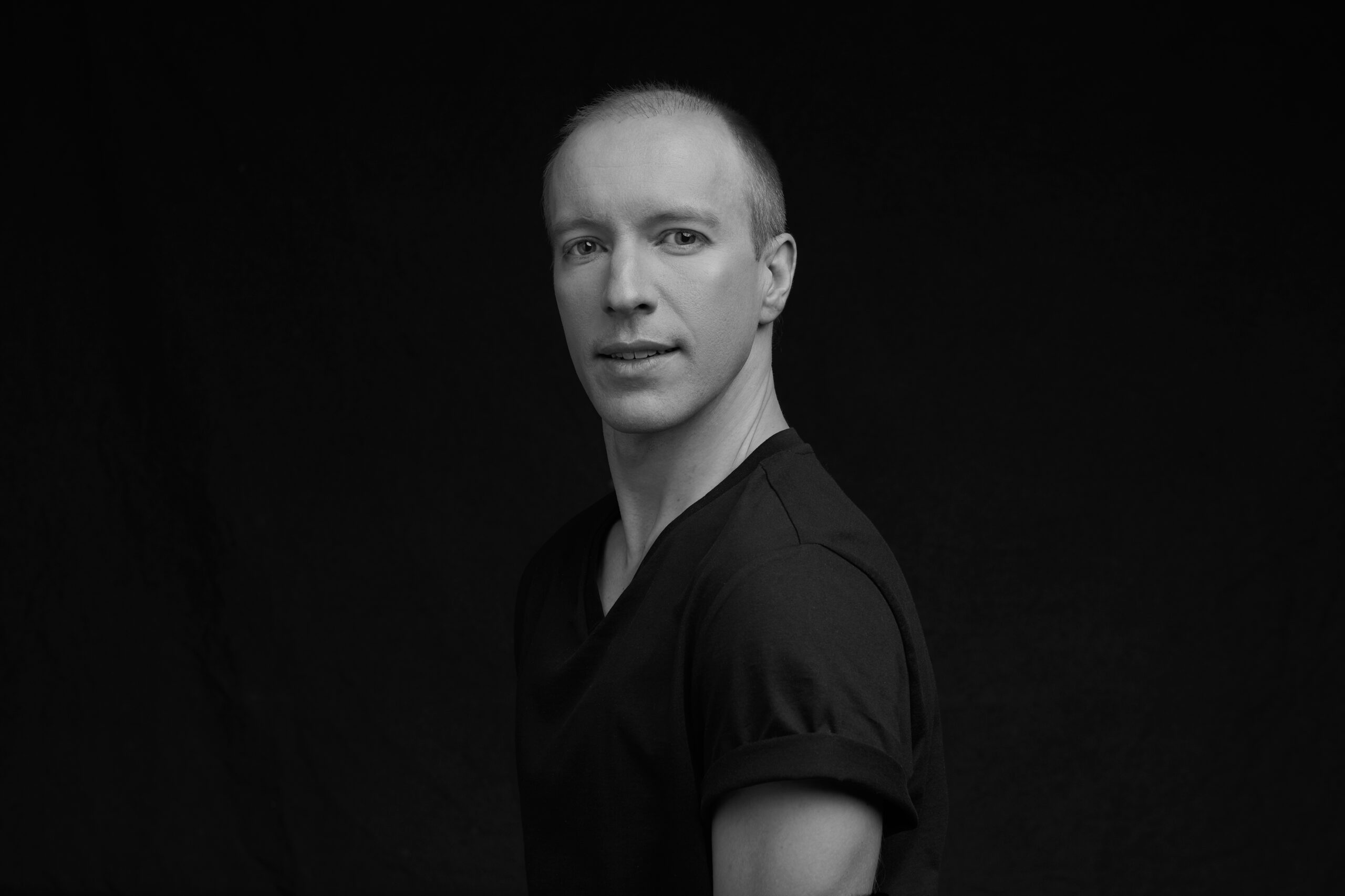
On election eve, I found the perfect distraction: an online writing workshop. The workshop, “Writing for Everybody,” was hosted by Magda San Millan, known simply as Magda. She describes herself as a performing artist who makes original work that romances many genres: dance, theater, visual art, seminar, standup comedy, and punk highbrow experience. After sitting in on the last week of her four-part workshop, I would add “motivational writing coach” to her list of artistic credits.
Each week, Magda offered writing prompts on different stages of life: childhood, adolescence, adulthood and, finally, pandemic. I was a little relieved I was able to skip over the previous topics, sparing me from revisiting memories of loneliness as an only child, my it’s-just-baby-fat preteen years, my marriage, and subsequent divorce. Lucky me! I got to write about the pandemic!
For me, writing is cathartic. So putting pen to paper (or fingers to keyboard, in my case) helped me process everything I’ve been experiencing during the pandemic. Based on the writing that others shared, this workshop did the same for them. One student wrote about how she eagerly told her friend all the gory details of failed online dates. In her glowing critique, Magda compared this to a cat proudly presenting a dead mouse to its owner. Magda’s creativity was evident throughout the class and seemed — like COVID-19 — rather contagious. She congratulated us all for capturing the pain as well as the promise of the pandemic, praising us for a “pandemic flavor, like a strong smell.”
Six other students were on the Zoom call, and I felt like an interloper. While they were very welcoming, their conversations reflected the bonds they had made in just three short weeks. I think one reason they formed such a strong connection is because Coach Magda provided personal reflections as a springboard for the writers’ creativity. She wrote: “The two themes that have dominated my creative life during the pandemic are: lethargy and trickery.” She then offered up her strongest arguments for writing during the pandemic:
- Writing is turning life into art.
- Writing is making meaning.
- Writing is cheap and mobile.
- Writing can be like storing acorns for later.
I love her last argument. She reinforced it by saying that writing is a way to collect ideas that will later manifest into something “even if I don’t know what.”
We were given two rounds of writing time. In round one (I know, it sounds like a boxing match, but the only thing I was fighting was my own limiting thoughts), we could write about home and our relationship to being indoors during the pandemic or about transformation and how we’ve changed during this time.
Because the only change I see in myself is when I step on the scale, I focused on home. I wrote about how “Zoom and I have become old friends.” I also described how a hospital-style bed table became my stand-up desk and the bar became a makeshift writing area. Wait a minute! I think I wrote about transformation after all.
For the second prompt, we could choose between the themes of humor and intimacy as they relate to our pandemic experience. My typical inclination would be to choose humor and skirt the possibility of revealing anything too intimate to a Zoom full of strangers. But I chose intimacy, or rather the lack thereof, writing: “Any expectations I had of a relationship epiphany were dashed within weeks, if not days.”
This workshop was one of two pandemic writing workshops Magda led in the past month. Her other offering, “Writing for Artists,” was designed for those “mourning the loss of your artistic practice due to the pandemic.” For those who prefer one-on-one instruction, Magda offers a 45-minute “Writing for Only You” workshop that focuses on the writer’s life story. She also runs a Monthly Writing Group. Writers are asked to bring a work in progress, along with any questions they want answered.
As a parting gift to her students, Magda provided two more pandemic-related writing themes for us to ponder: resistance and hope. On the eve of the presidential election, I couldn’t think of two more fitting prompts.
Pandemic Writing Workshops, Magda San Millan