VISIBILITYtalks is a video series funded with support from the Leeway Foundation and created in collaboration with artists on the Disability Spectrum. I collaborate with individuals or groups for two months at a time to produce a video that represents themselves and their art in a way they have full agency over .
As a white artist with an invisible illness, I have an obligation to use the platform that these privileges grant me to give space to other artists. Art is one of the few career paths that can be fully tailored to the maker’s needs and abilities, but institutionalised ableism is at a constant opposition to the needs of the oppressed. My place in this project is that of a narrator, not a protagonist.
It has forced me to confront my internalized ableism, forcing me to fully own that I am on the disability spectrum and further understand the inherent ableism in practices in the arts–especially in performance–that I never thought to question. This series aims to give these artists agency to work the way they need, support them fully in the creation of a work that they feel confident in, and allow them to speak their truth to the extent that they want to share with the world.
Every week for 2 months I received this message while working with Hook and Loop on a video collaboration:
Hook & Loop is an accessible artist collective led by Disabled people. Come to our open practice where we dance, sing and create space together.
- Sessions are collectively-led
- Sessions are FREE
- Hook & Loop is a collective of people creating accessible creative practices and multi-media performances for and by those who identify as Disabled, Chronically ill, or on the Disabled spectrum.
There are varying answers as to what each member values most about the collective: commiseration in aches and pains, connection to other artists on the disability spectrum, the freedom to move in the way their body is capable day to day, and simple friendship. Members of all abilities (as well as any family or Direct Support Professionals) are always excited to dance or cheer on others on the call, a nice reprieve from the “Outside World” right now.
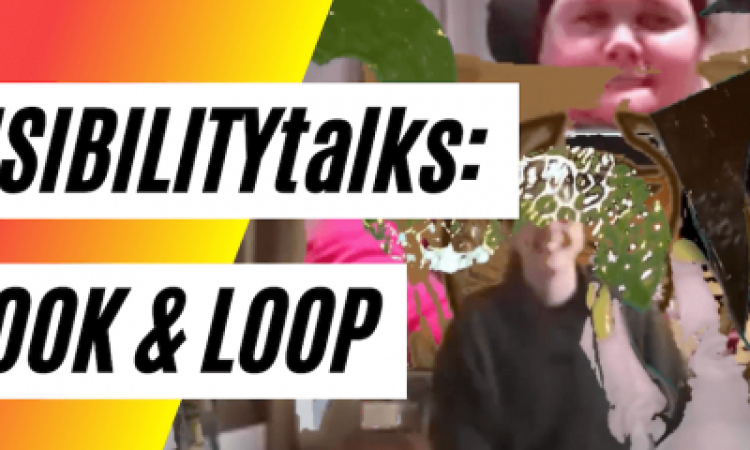
Because this is a hugely collaborative project, it starts with a conversation between myself and the artists about the equipment and any accessibility needs, such as: captions for Zoom meetings, the ability to stand up and move around, or needing their DSP (Direct Support Professional) to help them with things. For Hook & Loop, I embarked on what I called The Great Green Screen Roadtrip – I collaborated with Shannon Brooks, one of the founding members of the collective, to distribute green screens she had on hand to all of the other members all over Philly.
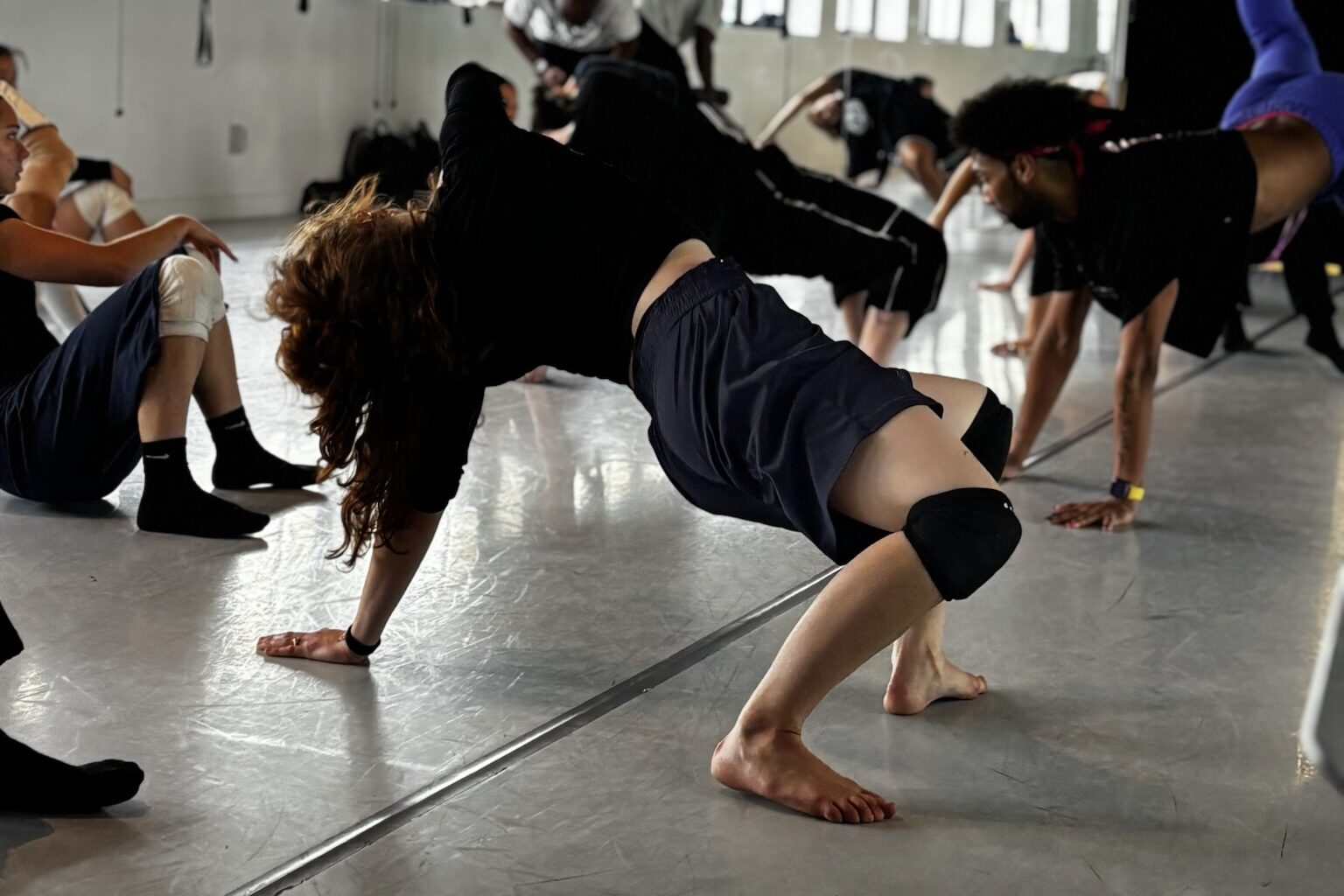
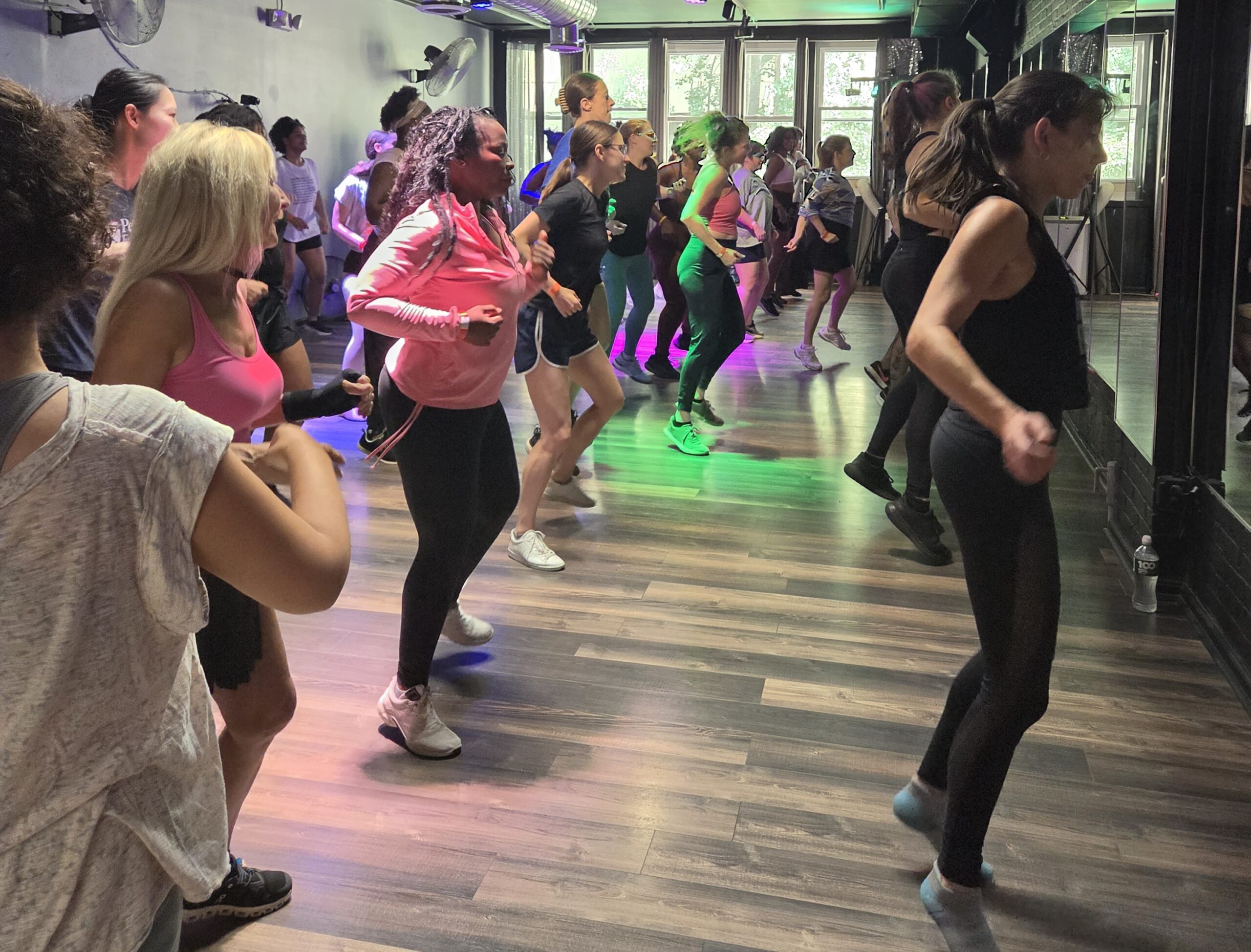
We searched through footage and conversations to find themes and thrulines we could use to structure the video. The idea of glass art came up as a theme with Pam Price’s bottles and Lily Fiengold’s glass art, and the green screen work reflects both that theme and the feeling of togetherness that emanates from the group. We met on Wednesday nights and used the time to create an archive of footage and audio for this and potential future projects. We danced, we laughed, we talked about access, and voiced our frustrations.
After a long editing process of choosing footage and cutting out pauses in audio, we had a nearly-final draft. On Saturday, January 30th, I helped Hook & Loop run “Outburst!,” a virtual accessible dance party, and premiered that draft for the entire collective to watch and send in any final edits.
As a brand new collective, this video project was their first together, and through the project I watched them solidify their group identity as it currently is: a collectively-led, multi-disciplinary group excited to create and share their words, art, and time with each other.